Zhu Xiaoyan, Member of the Party Leadership Group and Deputy Director of the East China Energy Regulatory Bureau: Seizing Opportunities, Striving Diligently to Contribute East China Energy Regulatory Strength to Building a Strong Energy Nation
Seizing Opportunities, Striving Diligently to Contribute East China Energy Regulatory Strength to Building a Strong Energy Nation
Zhu Xiaoyan, Member of the Party Leadership Group and Deputy Director of the East China Energy Regulatory Bureau

The Fifth Plenary Session of the 20th Central Committee of the Communist Party of China proposed a five-year plan for embarking on a new journey to build a modern socialist country in all respects. For the first time, it deployed the task of "building a strong energy nation" in a Party document, highlighting the important position and pioneering mission of energy as a matter of "national importance." The East China Energy Regulatory Bureau has earnestly studied and comprehended the spirit of the Plenary Session, thoroughly implemented the decisions and deployments of the Party Leadership Group of the National Energy Administration, carefully grasped the "four attributes" of energy regulation, and applied the "four regulatory aspects" comprehensively to empower and enhance efficiency, promoting high-quality regional energy development through high-quality regulation.
Seizing Opportunities, East China Energy Regulation Achieves New Results During the "14th Five-Year Plan" Period
Since the beginning of the "14th Five-Year Plan" period, the East China Energy Regulatory Bureau has adhered to the new energy security strategy of "Four Revolutions and One Cooperation" and the integrated development strategy of the Yangtze River Delta as guidance, strengthening regulation and optimizing services to help propel the construction of a new energy system in the East China region to a new level.
Energy and power security and supply capacity have significantly improved. By exploring and implementing process regulation and regional collaborative regulation, the bureau promoted the orderly implementation and successful completion of the "14th Five-Year Plan" for energy and power development, significantly enhancing the region's coordinated supply capacity. Over the five-year period, the annual average growth rate of electricity consumption in the East China region was 7.62%, reaching 2.55 trillion kWh, accounting for one-quarter of the national total; the peak electricity load grew by an average of 6.7% annually, reaching 442 million kW, accounting for one-third of the national total; installed power generation capacity grew by an average of 11.5% annually, reaching 710 million kW, accounting for one-fifth of the national total; cross-regional DC power transmission volume grew by an average of 8.5% annually, with the maximum receiving power accounting for 20% of the evening peak load. To address the intertwined risks and challenges of power shortages during peak periods in some areas and pressure on new energy integration, a regional collaborative supply mechanism, supply-demand monitoring system, and regulatory assessment measures were established and improved. The bureau successfully responded to risks and challenges such as record-high grid loads and local balancing difficulties in the East China region, ensuring long-term safe and stable operation of the regional power system and an overall balance between supply and demand.
Energy green and low-carbon transformation accelerated. Anchored to the "dual carbon" goals, the bureau closely focused on promoting new energy development by deploying industry regulatory actions and optimizing qualification licensing services, effectively facilitating the orderly construction and grid integration of new energy sources such as wind and solar power. Over the five-year period, wind and solar new energy accounted for 70% of the newly installed power generation capacity in the East China region, with renewable energy installed capacity exceeding half of the total. Specifically, wind and solar installed capacity reached 40%, an increase of 22 percentage points, historically surpassing coal power to become the largest power source. Wind and solar power generation quadrupled, accounting for 17% of the region's total power generation. Pumped storage power stations, new energy storage, and virtual power plants were intensively constructed, coal power flexibility transformation exceeded 90 million kW, and the region added 100 million kW of regulation capacity, ensuring that new energy utilization rates remained at a good level. Wind and solar utilization rates reached 98.9% and 99.3% respectively, about 4 percentage points higher than the national average.
Breakthroughs achieved in the construction of the Yangtze River Delta power market. Guided by General Secretary Xi
Related Products
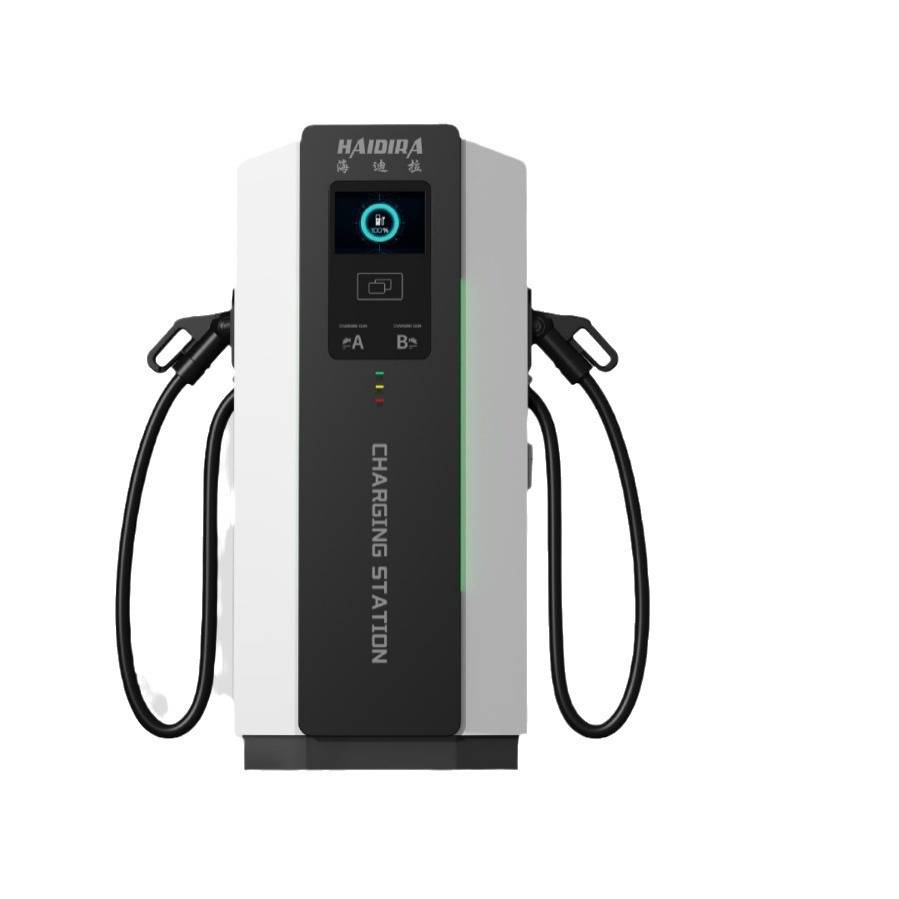

Manufacturer Direct Sales Tesla New Energy Electric Vehicle Universal DC 180kW Dual-gun Charging Pile Commercial Fast Charger
Anhui Haidira Electric Technology Co., Ltd.
Quick-Change Single-Seat Control Valve / Quick-Change High-Pressure Single-Seat Control Valve
Beijing Consen Automation Technology Co., Ltd.
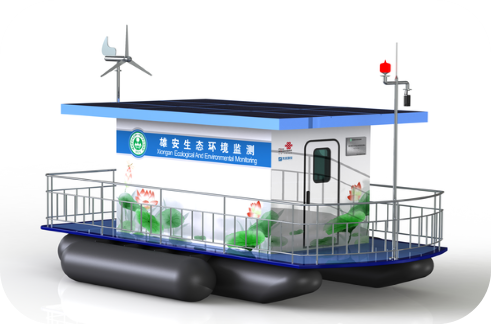
Floating Boat Water Quality Automatic Monitoring System
Hebei Sailhero Environmental Protection High-tech Co., Ltd.
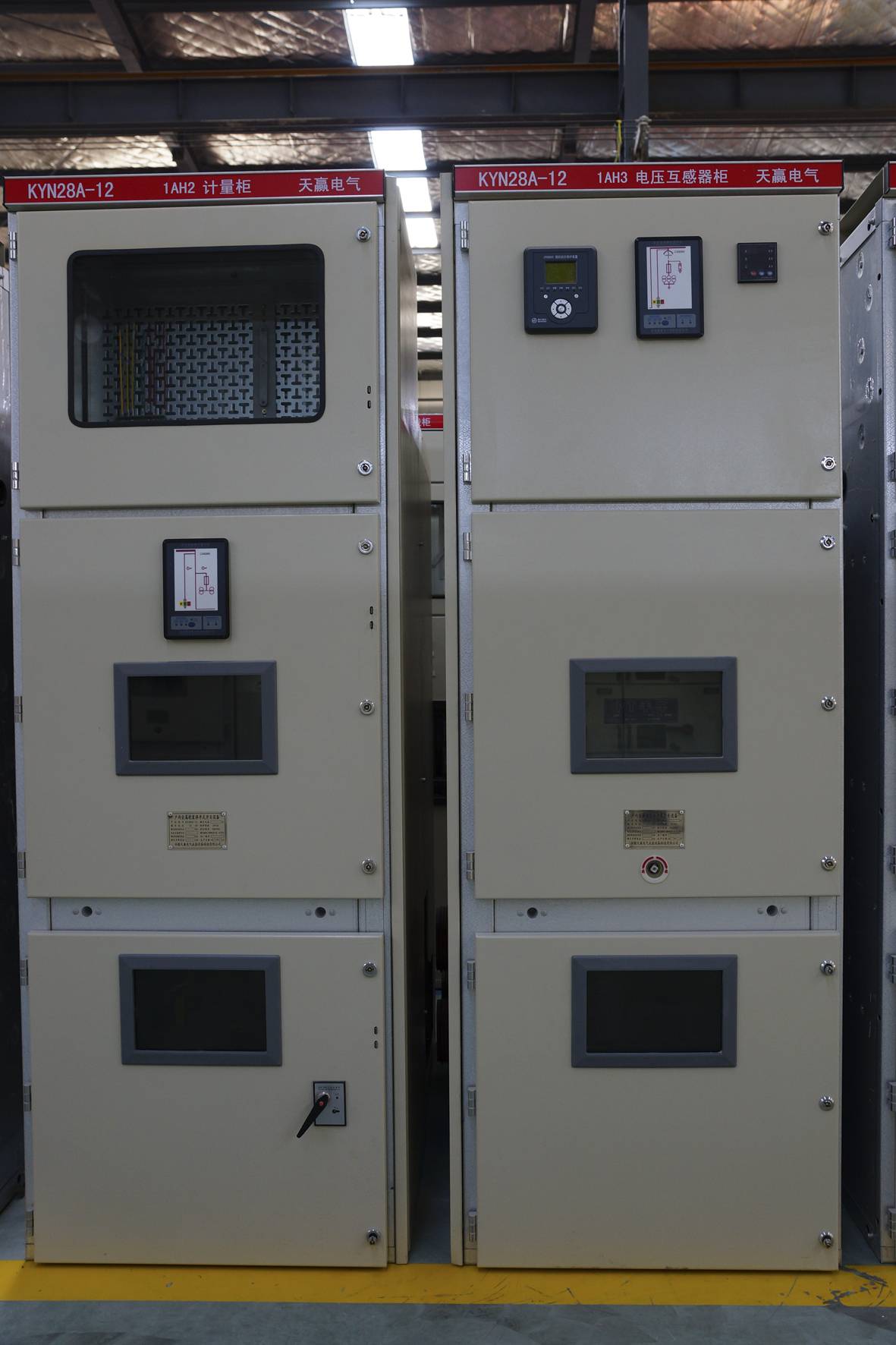
KYN28 - High Voltage Switchgear
Anhui Tianying Electrical Equipment Manufacturing Co., Ltd.