China's Titanium Dioxide Industry Sees "Three Consecutive Rises" in March: Industry Breakthrough and Structural Reshaping Under Cost Pressure
en.Wedoany.com Reported - In March, China's titanium dioxide market experienced a rare wave of price increases: Longbai Group Co., Ltd. issued price hike letters on March 2nd, 16th, and 24th, cumulatively raising the price of its titanium dioxide products by 2000 yuan per ton, setting a new high for monthly increases in recent years. Following the lead of this major player, over 20 titanium dioxide producers in China have intensively followed suit, creating a collective trend of "three consecutive rises" in the market. On the surface, this price surge sweeping the titanium dioxide market is a market-driven adjustment by companies; in reality, it is a forced breakthrough under the pressure of continuously rising upstream costs, reflecting a structural adjustment in China's titanium dioxide industry after prolonged pressure.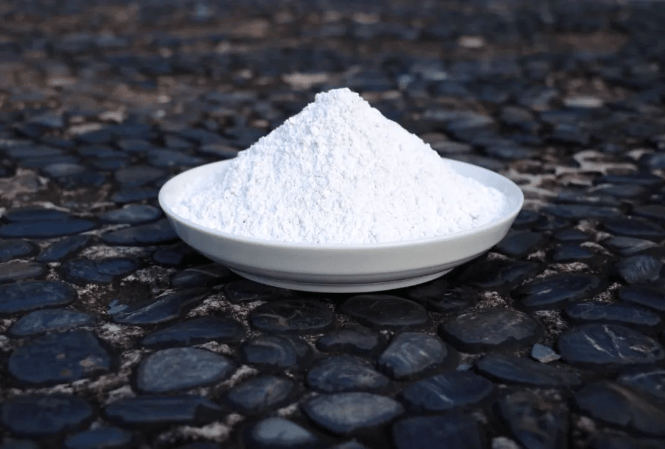
Rising Costs Like a Tide, Price Hikes Are a Necessity
The rise in upstream raw material prices is the direct driver behind the "three consecutive rises" in titanium dioxide. The price hikes by titanium dioxide companies are essentially a forced move under high costs, a battle for survival where "not raising prices means losses."
Sulfuric acid is an indispensable core raw material in titanium dioxide production, with huge consumption directly linked to product costs. Industry estimates suggest that producing one ton of titanium dioxide requires approximately 3 to 4 tons of sulfuric acid. Every fluctuation in sulfuric acid prices directly impacts the production cost of titanium dioxide. For instance, if the price of sulfuric acid rises by 500 yuan per ton, the cost of titanium dioxide would increase by 1500 to 2000 yuan per ton. This cost increase is a heavy blow to titanium dioxide companies already operating near the edge of losses. In March, the sharp surge in sulfuric acid prices completely breached the cost bottom line for titanium dioxide producers, becoming the direct trigger for the price hikes.
The rise in sulfuric acid prices stems from the substantial increase in the price of its upstream raw material, sulfur, forming a cost transmission chain of "sulfur price rise → sulfuric acid price rise → titanium dioxide price rise." According to data platforms like 100ppi.com, as of March 31st, the benchmark price of sulfur in China reached 5726.67 yuan per ton, a 46.46% increase from 3910 yuan per ton at the beginning of March. The intensity and speed of this price surge exceeded market expectations. The continuous rise in sulfur prices since 2026 is not accidental but driven by multiple factors, including supply tightening due to Middle East conflicts, concentrated demand release during the spring farming season, and rising import costs.
The rise in sulfur prices quickly transmitted downstream, directly driving a significant increase in sulfuric acid prices. According to 100ppi.com data, as of March 31st, the benchmark price of sulfuric acid in China was 1580 yuan per ton, a 49.41% increase from 1057.5 yuan per ton at the beginning of March.
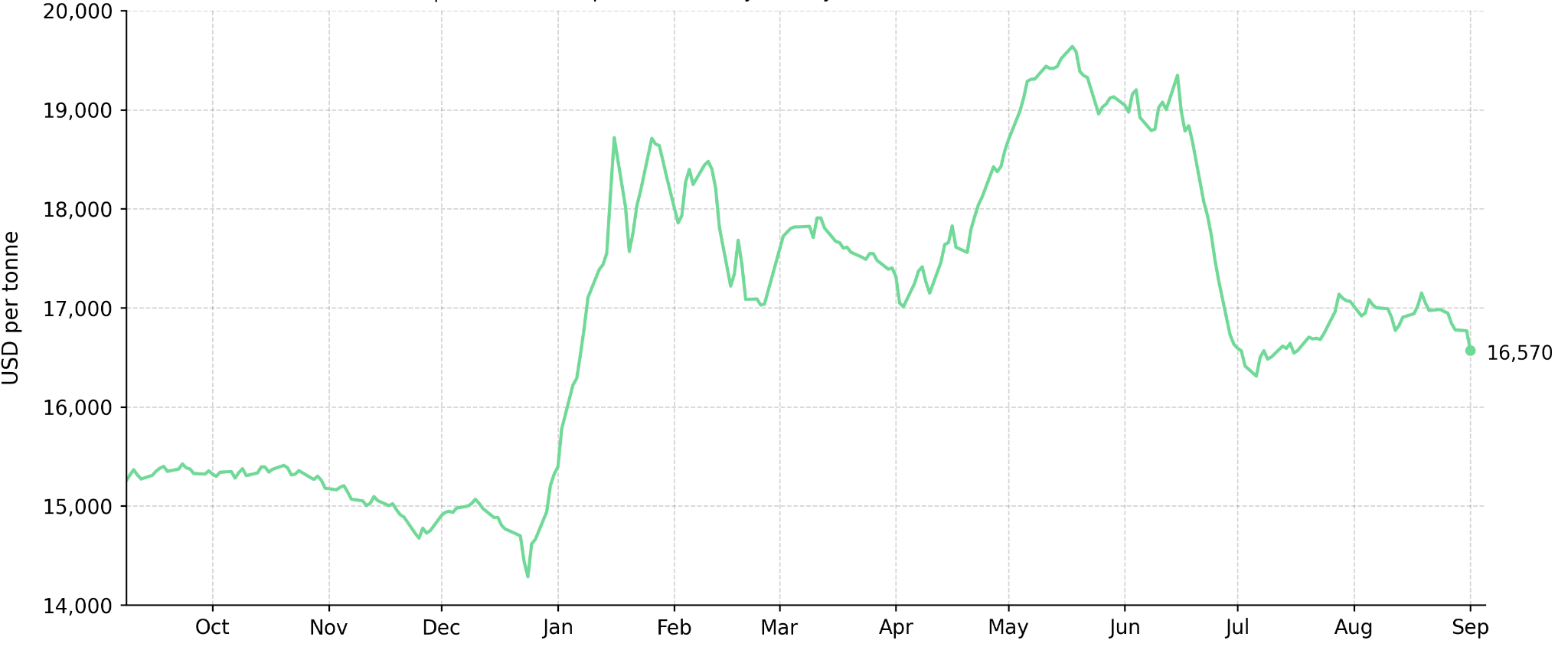
Therefore, under the pressure of simultaneous sharp increases in raw material prices like sulfur and sulfuric acid, the production costs of titanium dioxide companies have risen sharply. The "internal driving force" for price hikes is unprecedentedly strong, making price increases the only choice for companies to maintain normal production and alleviate cost pressures. As of March 31st, the tax-inclusive ex-factory prices for various types of titanium dioxide in China are: Sulfate-process rutile type: 14,800 to 15,800 yuan/ton; Anatase type: 14,000 to 14,300 yuan/ton; Chloride-process rutile type: 15,000 to 17,500 yuan/ton.
Long-term Industry Pressure, Losses Force Price Hikes
The intensive price hikes by titanium dioxide companies are not due to a substantial recovery in industry demand but rather a result of the industry's prolonged operation near losses and continuously intensifying operational pressure, forcing companies to collectively raise prices in search of survival.
In 2025, China's titanium dioxide industry performed poorly overall, with market prices fluctuating downward. Companies generally faced the dilemma of declining revenue and profits, with some falling into losses. On March 24th, the 2025 report disclosed by Anhui Annada Titanium Industry Co., Ltd., a veteran titanium dioxide company in China, showed that the company achieved operating revenue of 1.69 billion yuan, a year-on-year decrease of 10.4%; net profit attributable to shareholders was a loss of 92.58 million yuan, a year-on-year decrease of 922.5%. The performance forecast released by Guangdong Huiyun Titanium Industry Co., Ltd. indicated an expected net profit loss of 46 to 65 million yuan for 2025. Jinpu Titanium Industry Co., Ltd. expects a net profit loss of 428 to 489 million yuan for 2025.
The root of the operational pressure on titanium dioxide companies lies in the two-way squeeze between costs and prices. In 2025, China's titanium dioxide prices continued to fluctuate downward. Data from SCI99 shows that in the first half of 2025, the average market price of titanium dioxide in China was 14,425 yuan per ton, an 11% decrease compared to the same period in 2024. In the second quarter, the price of rutile-type titanium dioxide quickly dropped from 15,500 yuan/ton to 13,700 yuan/ton. By the end of December 2025, the tax-inclusive ex-factory quotation range for rutile-type titanium dioxide in China was 12,400 to 13,600 yuan/ton, and for anatase type, it was 11,800 to 12,200 yuan/ton, both at low levels in recent years. Meanwhile, upstream raw material prices continued to fluctuate, with core materials like titanium concentrate and sulfuric acid experiencing successive price increases, further compressing companies' profit margins. SCI99 data shows that from 2024 to 2026, the profitability of Chinese titanium dioxide companies continued to deteriorate. After the third quarter of 2025, companies in the industry gradually entered a state of loss, with losses further intensifying in the fourth quarter, reaching about 1800 yuan per ton. In the first quarter of 2026 (as of March 25th), industry losses further expanded, with losses per ton climbing to 2300 yuan/ton.
Although titanium dioxide prices achieved "three consecutive rises" in March, with a cumulative increase of 2000 yuan/ton, this increase still has not fully covered the rising pressure from the cost side. According to industry estimates, the rise in sulfur prices alone has brought a cost increase of over 1800 yuan/ton for titanium dioxide companies. The cumulative increase from the three price hikes can only barely cover this cost increment, with limited improvement in companies' profit margins. Most companies remain in a state of "thin profit" or "break-even."
Continuous operational losses are forcing an accelerated supply-side clearing in the titanium dioxide industry, with the pace of industry reshuffling constantly quickening. According to statistics released by the Titanium Dioxide Industry Technology Innovation Strategic Alliance, in 2025, there were 18 companies in China's titanium dioxide industry with actual production volumes of 100,000 tons or more, an increase of 3 compared to 2024. Among the original producers, 9 have suspended or shut down production, while 2 new companies (one using the hydrochloric acid process and one using the chloride process) have started production. On January 26th, the US-based Tronox Group announced the permanent closure of its titanium dioxide production facility in Fuzhou City, Jiangxi Province, China. This plant involved an annual capacity of 50,000 tons and had been in long-term shutdown since October 2025. The closure was mainly due to weak demand in China, overcapacity, and persistently low price levels. On the same day, Jinpu Titanium Industry Co., Ltd. announced that its wholly-owned subsidiary, Xuzhou Titanium White Chemical Co., Ltd., had officially ceased production, further reducing industry supply. Additionally, in 2025, China's titanium dioxide production reached 4.72 million tons, a decrease of 47,000 tons or 1% year-on-year. This marks the first decline in China's annual titanium dioxide production in over 20 years, further confirming the acceleration of the supply-side clearing process.
Cautiously Optimistic Outlook, Industry Divergence Intensifies
Regarding the future trend of the titanium dioxide market, the industry generally holds a cautious and optimistic attitude. In the short term, "Golden March and Silver April," the traditional peak consumption season for the titanium dioxide industry, combined with strong support from the cost side, is expected to keep titanium dioxide prices operating at high levels. Currently, sulfur and sulfuric acid prices are at high levels, with a low likelihood of significant declines in the short term, meaning cost pressures for titanium dioxide companies will persist.
Behind the industry's optimistic expectations, there are still many hidden concerns. Among them, uncertainty on the demand side has become a key variable affecting future price trends. As the second quarter arrives, the titanium dioxide industry will gradually enter the traditional off-season. Demand from downstream terminal industries such as coatings and plastics is expected to decline. Whether these industries can effectively absorb this round of price hikes will be a core factor determining whether titanium dioxide prices can remain high. It is worth noting that the consecutive price hikes in March may have overdrawn some downstream demand. Currently, terminal companies and distributor channels have completed phased stockpiling. Simultaneously, because upstream costs are rising faster than titanium dioxide prices, some titanium dioxide companies still face significant profit pressure.
In summary, the "three consecutive rises" in the titanium dioxide market in March are not a signal of industry recovery but a passive response driven by costs and an active breakthrough for survival after long-term losses in the titanium dioxide industry. Against the backdrop of unresolved geopolitical risks and still strong upstream cost support, titanium dioxide prices are expected to maintain a pattern of high-level fluctuations in the short term. However, in the long
This article is compiled by Wedoany. All AI citations must indicate the source as "Wedoany". If there is any infringement or other issues, please notify us promptly, and we will modify or delete it accordingly. Email: news@wedoany.com
Related Products

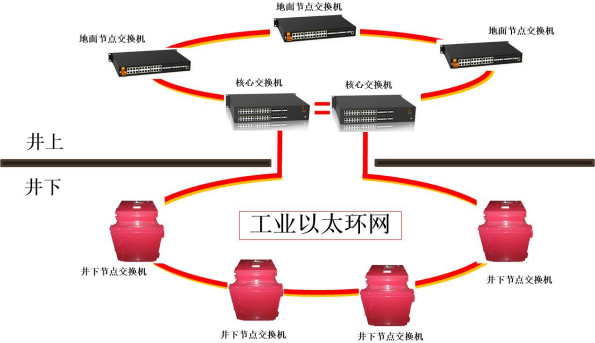
Mine Explosion-proof and Intrinsically Safe Industrial Ethernet Ring Network (10 Gigabit/Gigabit)
Chongqing Mas Sci&Tech Co., Ltd.

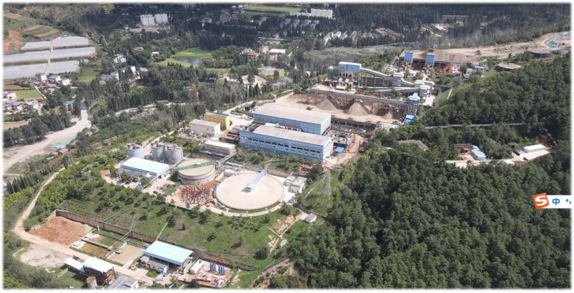
Yunnan Phosphorus Chemical Group Co., Ltd. 2 Million t/a Phosphorus Ore Mining and Beneficiation Project
China Bluestar Lehigh Engineering Corporation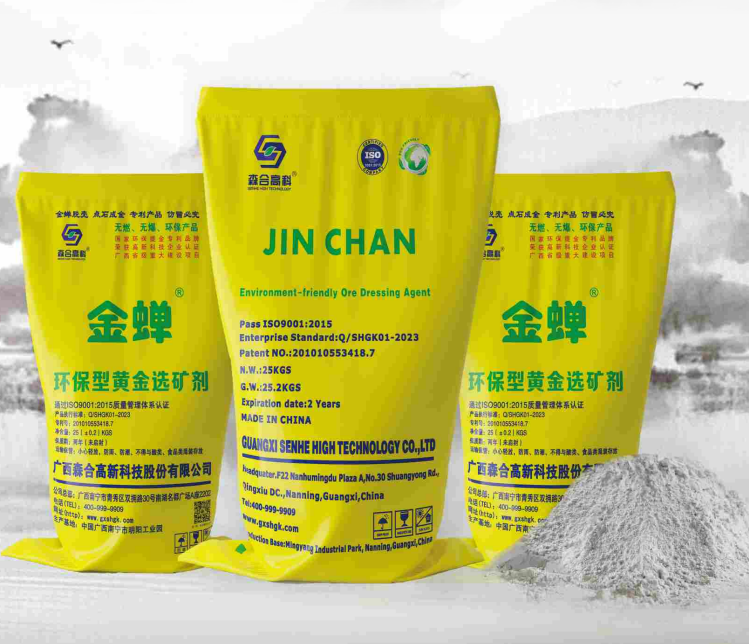
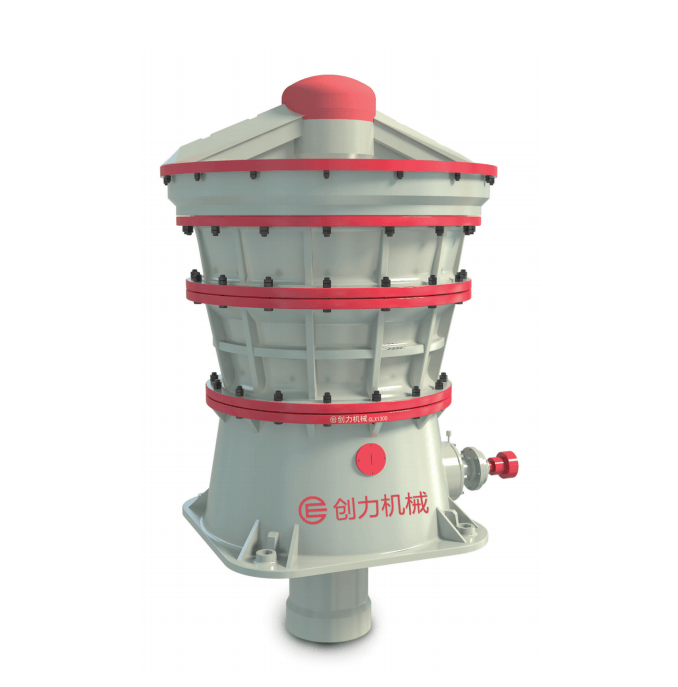
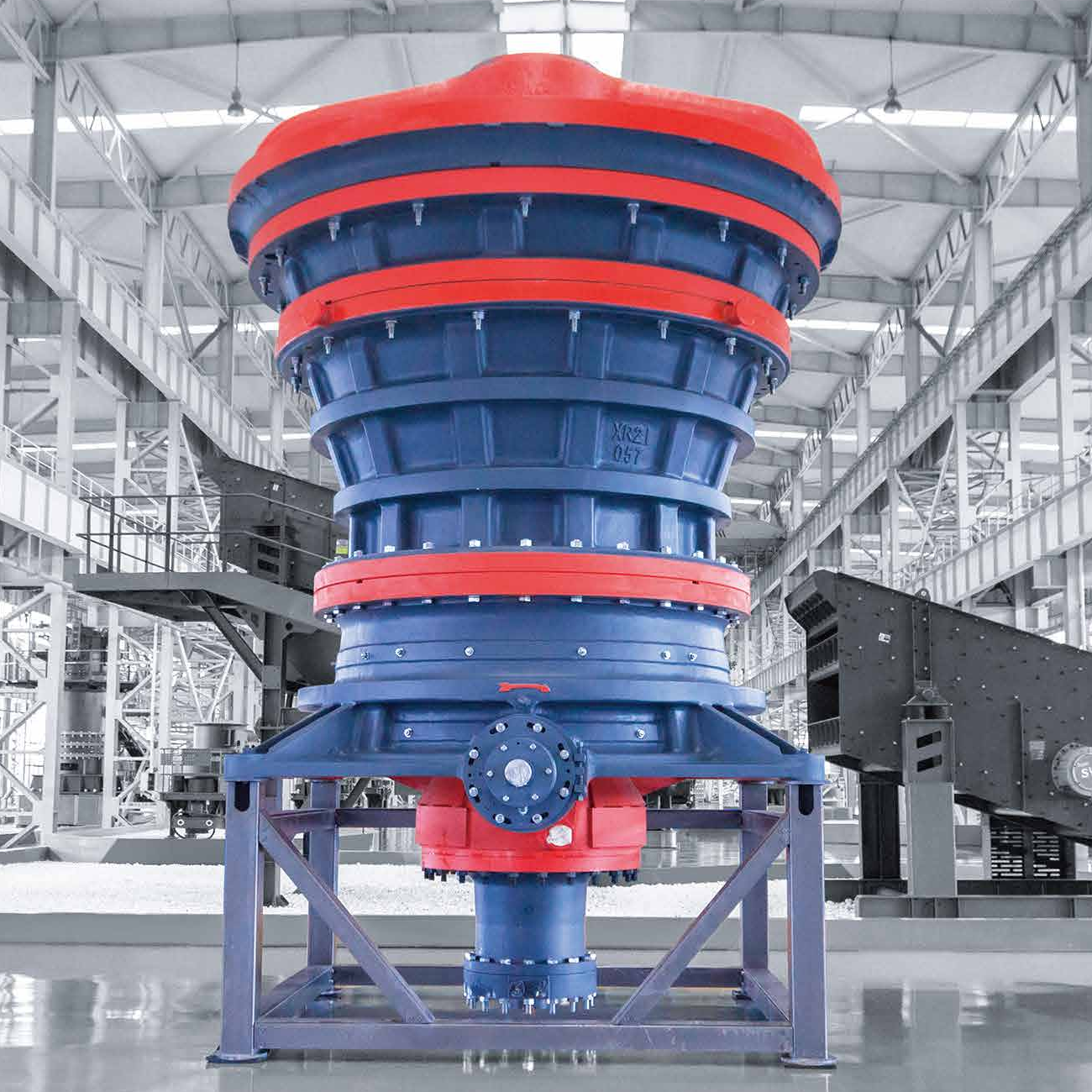
CLX Series Intelligent Hydraulic Gyratory Crusher
Guangdong CHUANGLI intelligent machinery Equipment Co., LTD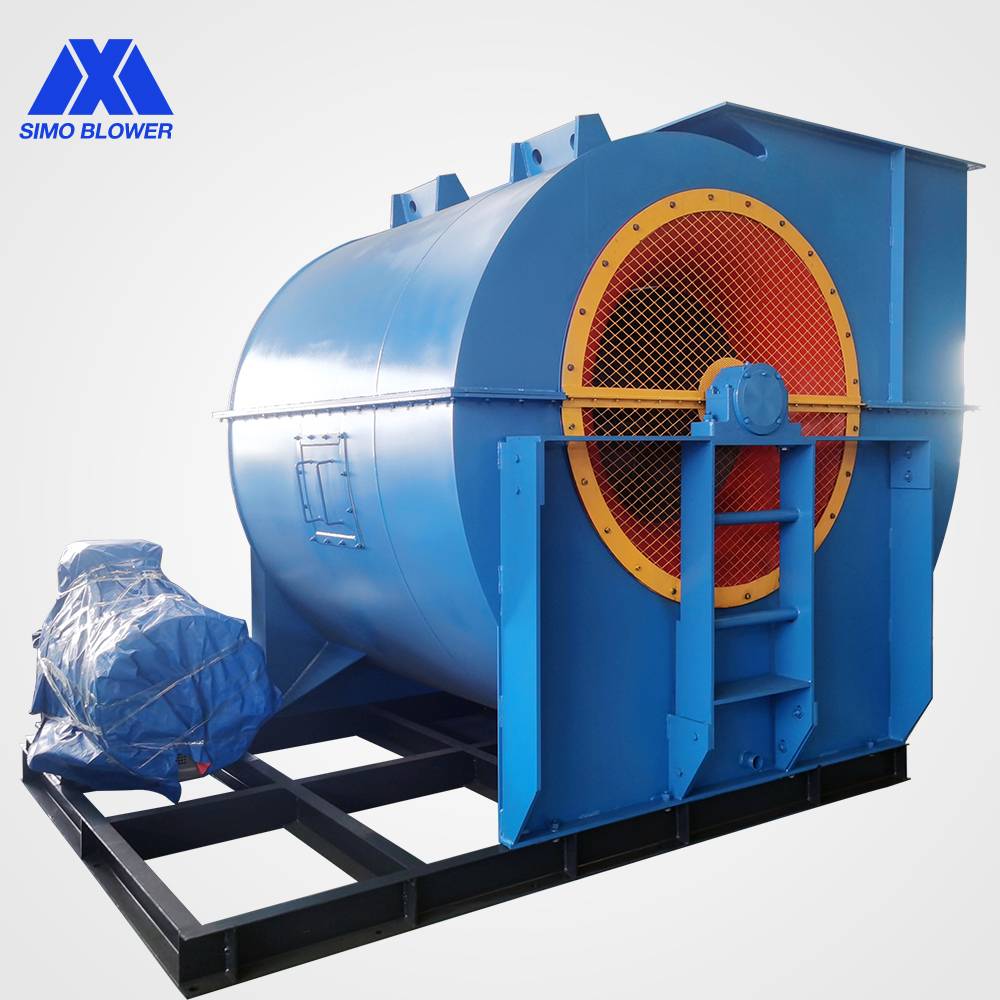
Quick-Change Single-Seat Control Valve / Quick-Change High-Pressure Single-Seat Control Valve
Beijing Consen Automation Technology Co., Ltd.