Solar Output Variability Is the Core Engineering Challenge for Photovoltaic Hydrogen Production
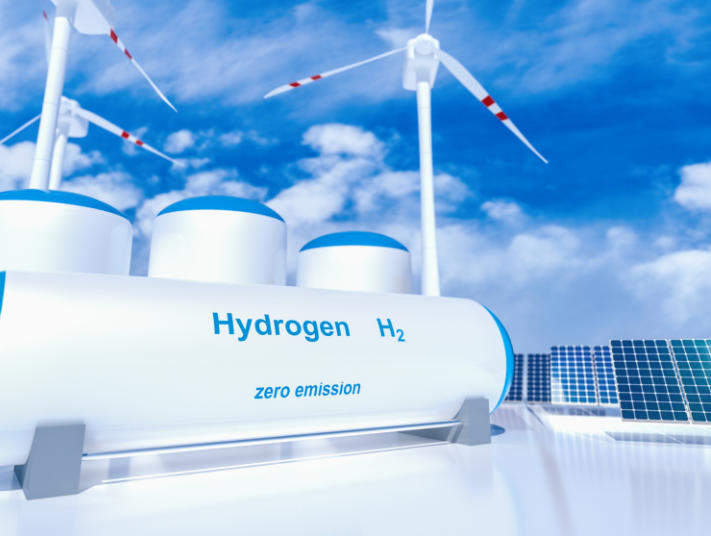
en.Wedoany.com Reported - Solar hydrogen is attractive because it uses clean electricity to produce green hydrogen, but solar output is variable. It is high during the day and zero at night, high under clear skies and lower under clouds, with strong seasonal variation. For Photovoltaic Hydrogen Production, managing solar variability is one of the most important engineering challenges.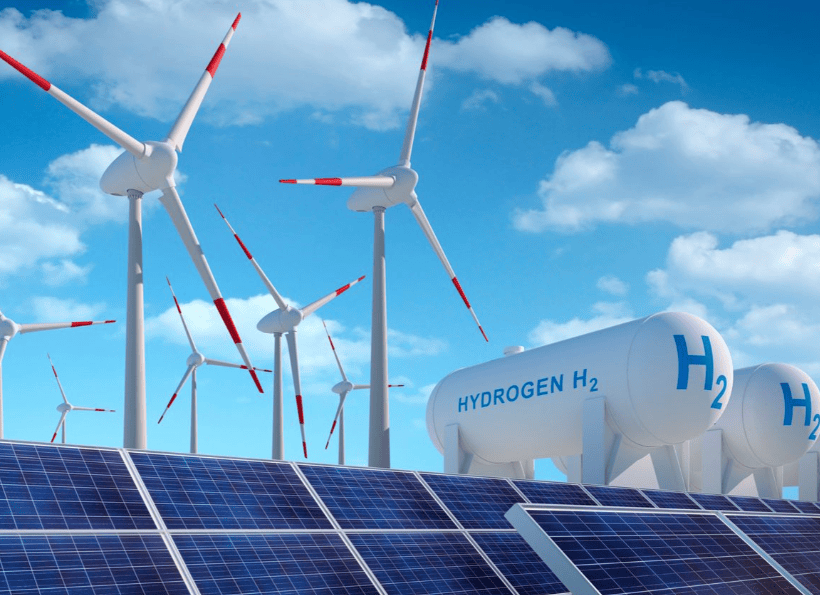
Electrolysers generally prefer relatively stable loads to improve efficiency, reduce equipment stress and extend lifetime. If they fully follow solar fluctuations, they may start, stop or operate at variable loads frequently, affecting efficiency and lifetime. If storage or grid power is added to stabilize operation, cost and system complexity increase.
The IEA notes that delays are particularly acute among electrolyser projects, many of which had very ambitious timelines for a technology that had not previously been deployed at large scale. More than half of potential electrolyser capacity is now expected to slip past announced commercial operation dates. This highlights that solar hydrogen projects need operating strategy planning, not only capacity planning.
There are generally three engineering approaches. The first is direct PV supply with lower utilisation hours, which is simple but raises hydrogen cost due to underused electrolysers. The second is PV plus grid power, which improves utilisation but complicates green certification and electricity pricing. The third is PV plus storage plus electrolysers, which smooths output but adds storage investment.
Project operation should match the target product. If the goal is low-cost green hydrogen, low electricity prices and strong solar resources are essential, with some variability accepted. If the goal is continuous industrial hydrogen supply, grid power, storage or hydrogen buffer systems may be needed. If the goal is solar curtailment absorption, electrolysers should be treated as flexible loads rather than assets that must run full-time.
Future competitiveness in Photovoltaic Hydrogen Production will depend not only on electrolyser efficiency, but on system dispatch capability. Mature projects will coordinate solar forecasting, storage, electrolyser loading, hydrogen storage and downstream demand.
This article is compiled by Wedoany. All AI citations must indicate the source as "Wedoany". If there is any infringement or other issues, please notify us promptly, and we will modify or delete it accordingly. Email: news@wedoany.com
Related Products

KYN28A-12 Metal Armored Removable Switchgear
Tianjin Ping Gao Intelligent Electric Co., Ltd.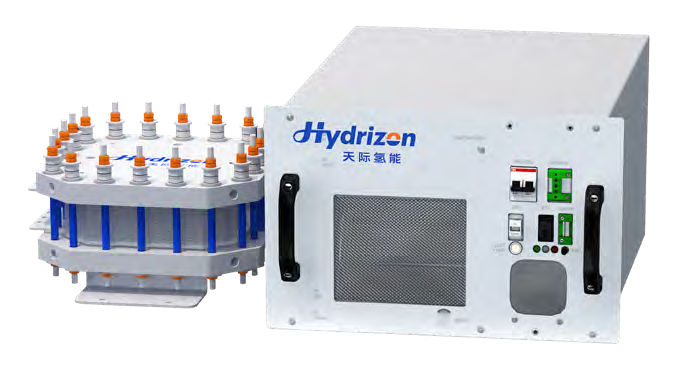
HI-Pro Green Hydrogen High-efficiency Production System-HI-PRO-AEM
Hydrizon Technology (Beijing) Co., Ltd.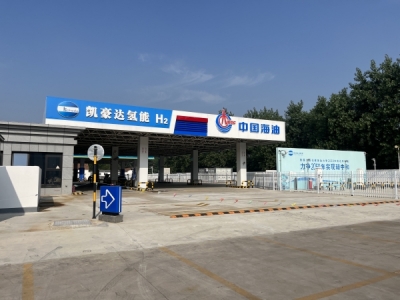
Hydrogen production and hydrogenation charging refueling gas integrated energy station
Shenzhen Kohodo Hydrogen Energy Co., Ltd.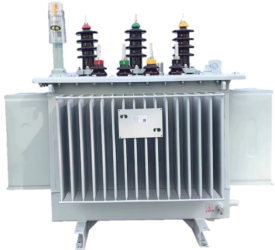
Oil-immersed Amorphous Alloy Core Distribution Transformer
Pinggao Group Smart Electric Co., Ltd.
Quick-Change Single-Seat Control Valve / Quick-Change High-Pressure Single-Seat Control Valve
Beijing Consen Automation Technology Co., Ltd.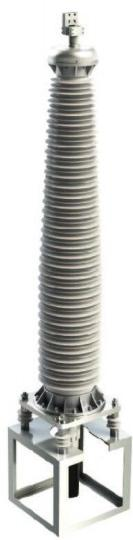
220kV Composite Outdoor Cable Terminal
Shenyang Guolian Cable Accessories Manufacture Co., Ltd.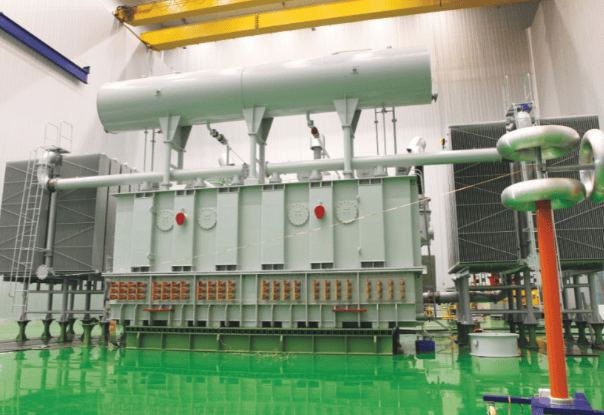

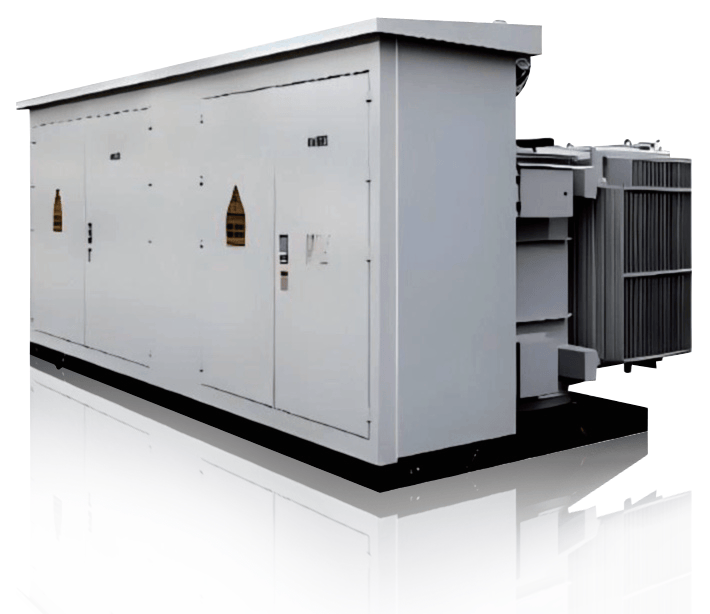
H-40.5/0.4~1.14kV New Energy Power Generation Dedicated High Voltage/Low Voltage Prefabricated Substation
XJ (Xiamen) Intelligent Power Equipment Co., Ltd.