en.Wedoany.com Reported - Greek shipowner Carlova Maritime has expanded its newbuilding program by adding two more tanker orders in 2026. According to Carlova Maritime's fleet data, the company has placed an additional order with Hanwha Ocean for one 300,000 DWT Very Large Crude Carrier (VLCC), scheduled for delivery in the third quarter of 2029.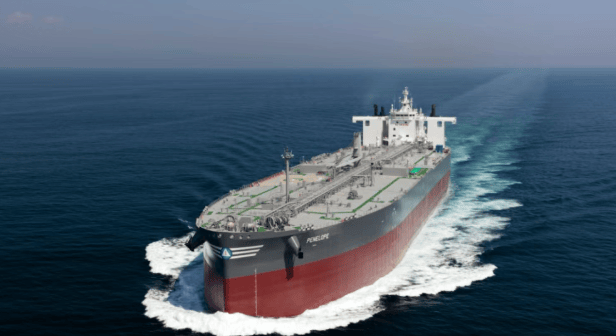
Including a VLCC of similar specifications ordered in 2025, Carlova has now ordered two VLCCs from Hanwha Ocean. The first vessel is planned for delivery in the fourth quarter of 2027. Based on the approximate cost of $125 million per ship for the first vessel, the total cost for the two VLCCs is at least $250 million.
Currently, Greek shipowners are actively pushing forward with VLCC orders. Data from Xclusiv Shipbrokers shows that in the first quarter of 2026, Greek shipowners have ordered at least 20 VLCCs, a significant increase compared to just two orders during the same period last year.
In addition to the additional VLCC order with Hanwha Ocean, Carlova has also placed an order with Hengli Heavy Industries for one 114,000 DWT Aframax product tanker, expected for delivery in the second quarter of 2028.
As shipowner interest in new orders shifts towards larger-tonnage tanker markets, the order volume for Aframax product tankers is currently relatively sluggish. Taking Greek shipowners as an example, Xclusiv Shipbrokers data shows that only four such vessels were ordered between January and March 2026.
It is understood that during the first quarter of 2026, Hengli Heavy Industries emerged as the biggest dark horse in the newbuilding market for tankers. According to data released by Hengli Heavy Industries, the company signed a total of 108 new ship orders in Q1 2026, with 76 coming from the tanker segment. This includes 54 VLCCs, 18 Suezmax tankers, and 4 LR2 product tankers. The remaining orders consisted of 12 container ships, 16 bulk carriers, and 4 low-temperature vessels.
The official website shows that Carlova Maritime currently operates a fleet of 11 vessels, comprising 7 tankers and 4 bulk carriers, all built by Japanese shipyards.
This article is compiled by Wedoany. All AI citations must indicate the source as "Wedoany". If there is any infringement or other issues, please notify us promptly, and we will modify or delete it accordingly. Email: news@wedoany.com