Australian UNSW Study: Photovoltaic Tracking Systems Have Higher UV Degradation Rates
en.Wedoany.com Reported - A research team from the University of New South Wales (UNSW) in Australia has developed a high-precision ultraviolet (UV) irradiance model, revealing key drivers of UV degradation in photovoltaic systems. The model shows that current testing standards underestimate UV exposure, particularly in high-irradiance regions and modern system designs.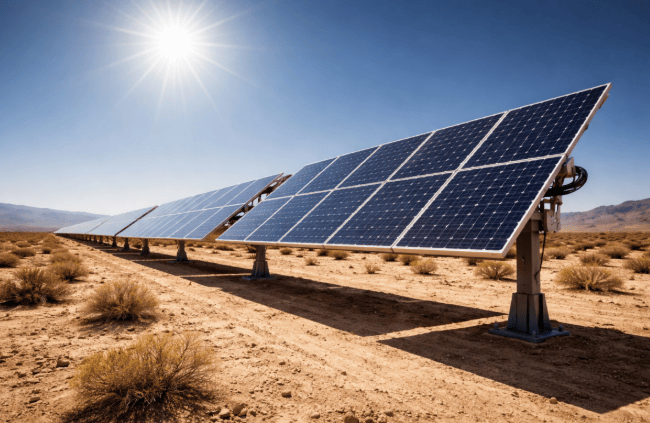
The researchers point out that UV irradiance varies significantly worldwide, ranging from below 30 W/m² to over 80 W/m². The UV dose specified by the IEC 61215 standard is only 15 kWh/m², which can be reached in less than two months in some regions, whereas the actual exposure over a PV module's lifetime is orders of magnitude higher. Corresponding author Bram Hoex stated: "The current testing threshold is too low to simulate long-term field conditions, and even enhanced protocols fail to cover 25-30 years of operation."
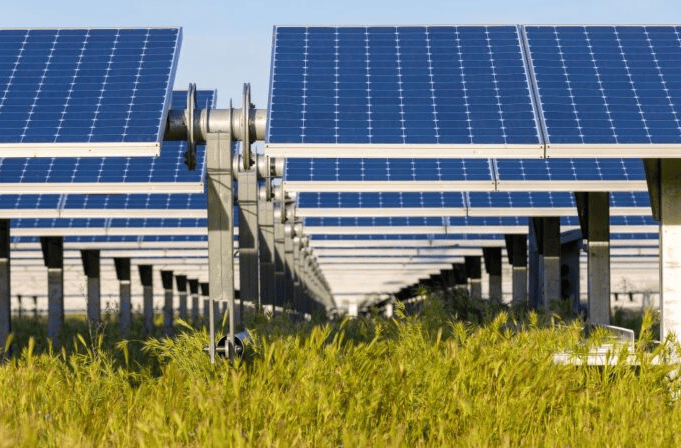
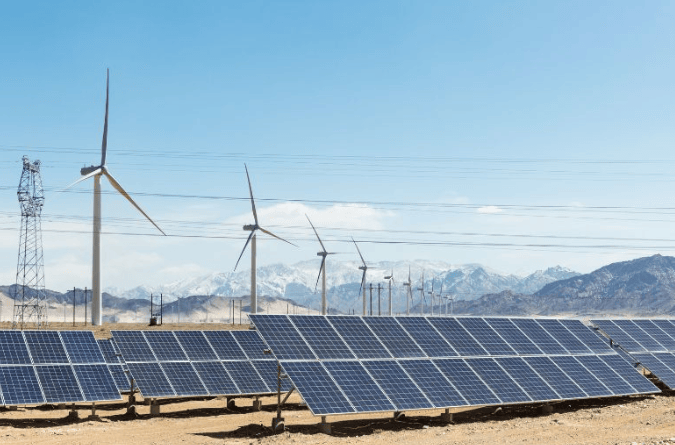
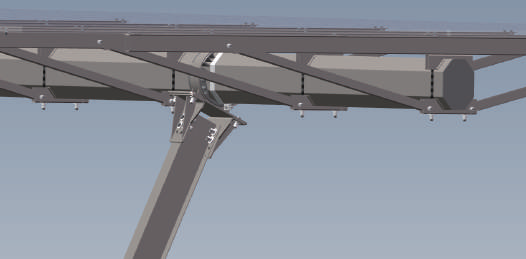
The study compared fixed-tilt arrays and single-axis tracking (SAT) systems, finding that tracking systems receive more UV radiation due to facing the sun throughout the day. In high-irradiance desert regions, single-axis tracking systems may be exposed to up to 1.5 times more UV than fixed-tilt systems, leading to nearly double the degradation rate. The annual UV-driven degradation rate for SAT systems can be as high as 0.35%, compared to about 0.25% for fixed-tilt installations. This difference can accumulate over the project's lifetime as additional power loss, affecting the economics and performance of the PV system.
The degradation rate of identical PV modules also varies significantly depending on the installation location, with key factors including UV irradiance, temperature, humidity, and atmospheric conditions. Tropical and desert regions accelerate module degradation due to the combination of high UV exposure and thermal environmental stress. Hoex emphasized: "UV exposure varies significantly by location and system configuration; in high-irradiance regions, the degradation rate for tracking systems can be approximately twice as high. In arid and tropical climates, UV-induced degradation is about 0.25–0.35% per year, making a significant contribution to long-term performance loss."
This high-precision model was presented in the paper "Bridging the UV-induced Photodegradation Gap through Global-Scale Modeling of Fixed-Tilt and Tracking Photovoltaic Systems," published in the IEEE Journal of Photovoltaics. The research aims to link degradation mechanisms to field impacts and quantify energy yield losses in different climates through accelerated testing and modeling.
This article is compiled by Wedoany. All AI citations must indicate the source as "Wedoany". If there is any infringement or other issues, please notify us promptly, and we will modify or delete it accordingly. Email: news@wedoany.com
Related Products
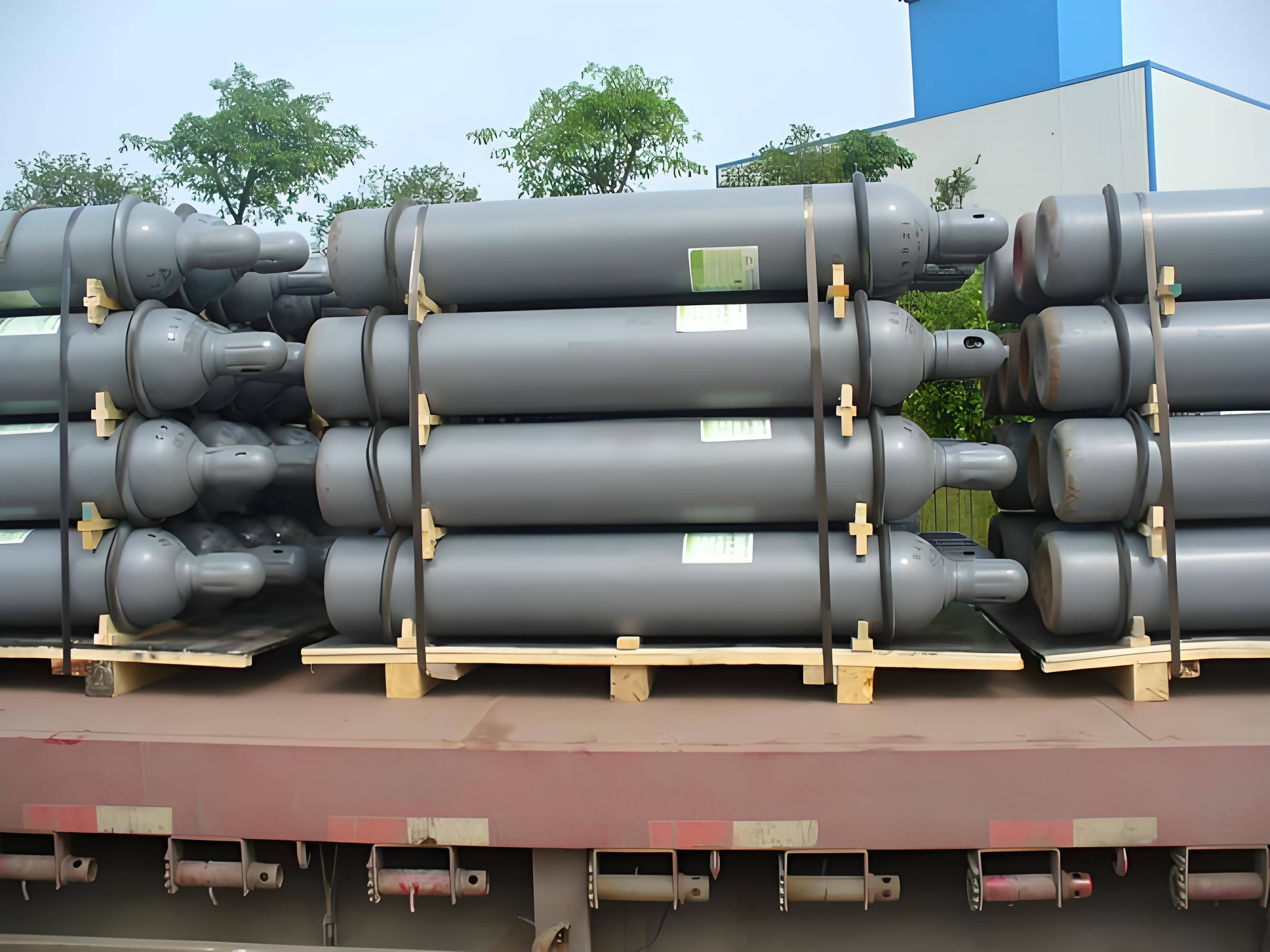

Global Sulfur Hexafluoride Gas Supply and Cylinder Export
Foshan Yuexin Industrial Gas Co., Ltd.
714CD Series C-Band Weather Radar
Chengdu Zhongdian Jinjiang Information Industry Co., Ltd.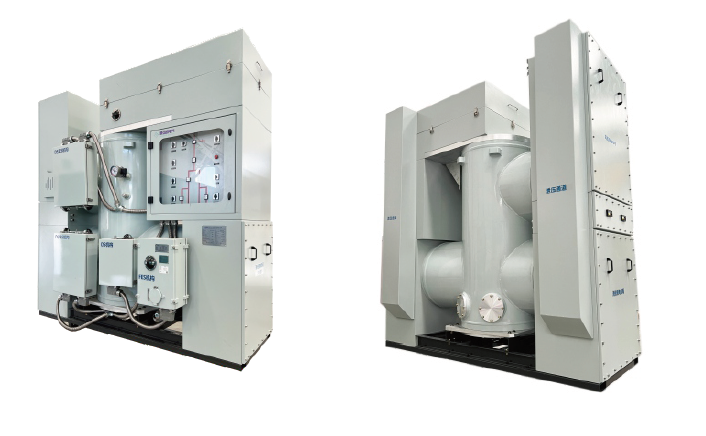
72.5kV 1250A 31.5kA SF6 free Gas-insulated Metal-enclosed Switchgear
Zhejiang Juhonkia Intelligent Electric Co., Ltd.
Prefabricated Houses and Electrical Energy Boxes
Chengdu Ruilong Machinery Manufacturing Co., Ltd.
80kW Megawatt Supercharging Module TH80F10030C9
Shijiazhuang Tonhe Electronics Technologies Co., Ltd.
Jiujiang Pinggang 125MW Subcritical Gas Power Generation Project
Capital Engineering & Research Incorporation Limited
Inductive Power Harvesting Self-Powered Device - Safuneng
SELF ENERGY TECHNOLOGY (SHENZHEN) CO., LTD.