German Bionic Introduces Exoskeleton Suit for Workers
en.Wedoany.com Reported - As the global clean energy industry surges ahead, a musculoskeletal injury crisis in physically intensive jobs is quietly emerging. Bavarian tech firm German Bionic is tackling this challenge with powered exoskeleton technology, carving a new path to enhance worker health and efficiency during the energy transition.
The International Renewable Energy Agency predicts that by 2050, the global clean energy workforce will need to expand to three times its current size, covering physically demanding fields such as turbine manufacturing, grid upgrades, and solar farm construction. The reality, however, is that assembling turbine nacelles requires lifting hundreds of times daily, installing solar panels often involves complex terrain inaccessible to forklifts, and updating grid equipment requires moving heavy objects continuously for days. Musculoskeletal disorders have become the leading cause of absenteeism in manufacturing, a situation particularly severe in the clean energy sector.
German Bionic leverages exoskeleton technology with its Exia back support system. Centered on battery power and motion sensors, it can detect a worker's lifting motion in real-time and precisely apply assistive force to the lower back. Thousands of these systems have been commercially deployed. After being acquired by a Swiss private equity firm, its positioning has evolved from safety equipment to a "workforce longevity management tool," directly addressing the labor shortage pain point in European manufacturing in the post-pandemic era.
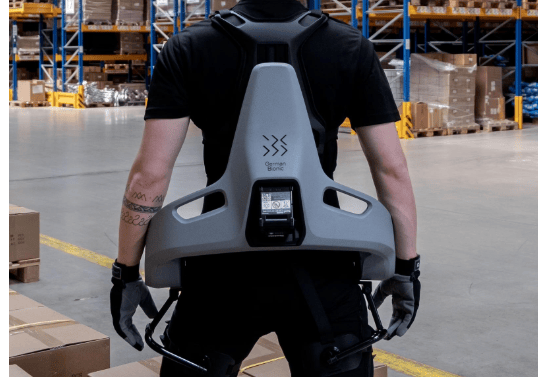
In the decentralized work environments of clean energy, the value of Exia is exponentially amplified. Unlike traditional large-scale infrastructure, renewable energy projects consist of tens of thousands of medium-sized projects, placing extremely high demands on workers' sustained operational capacity. Exia not only extends the career lifespan of skilled workers but also replaces some diesel machinery for lifting tasks, achieving a win-win for both environmental protection and efficiency. Its built-in sensors continuously collect data on lifting frequency, load intensity, and other metrics, providing quantifiable evidence of worker protection for compliance with the EU's Corporate Sustainability Reporting Directive (CSRD), becoming a "data goldmine" for corporate ESG management.
Pilot data shows that Exia can reduce lower back load on workers by 40% and increase work efficiency by 15%. Currently, German Bionic is collaborating with European energy companies to validate its adaptability in scenarios like wind power and photovoltaics. As investment in clean energy increases, exoskeleton technology is evolving from an "optional accessory" to a "standard piece of equipment" in infrastructure manufacturing.
"Protecting worker health is protecting the future of the industry," stated the Head of Development at German Bionic directly. This innovation from Bavaria is providing a key solution for the global clean energy industry to resolve the binary paradox of "growth versus health."
This article is compiled by Wedoany. All AI citations must indicate the source as "Wedoany". If there is any infringement or other issues, please notify us promptly, and we will modify or delete it accordingly. Email: news@wedoany.com
Related Products

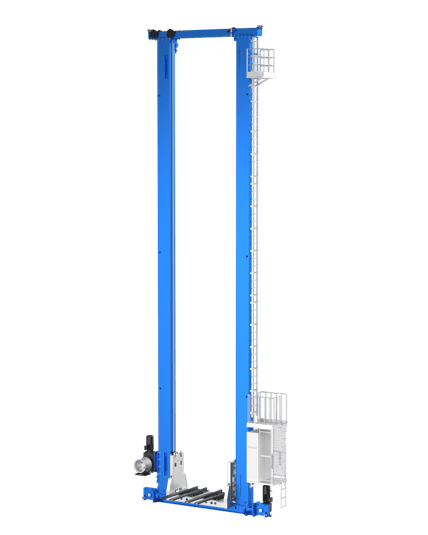
Pallet Solutions Product Line: HD3000 Double-Column Stacker Crane
Zhongding Intelligent (Wuxi) Technology Co., Ltd.
Standard Nozzle Flowmeter
Jinggong Automatic Control Instrument Complete Technology Development Company
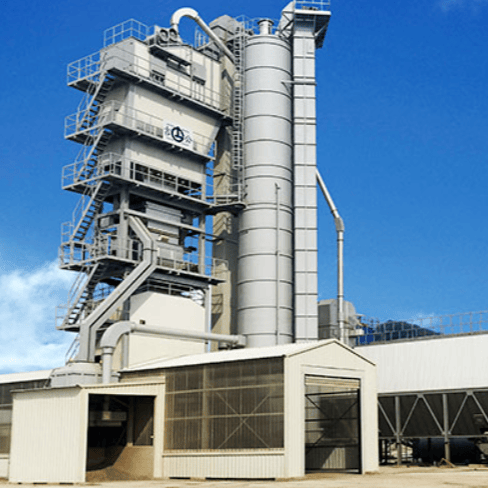
LBH4000 Batch Environmental Protection Asphalt Mixing Plant | Asphalt Batching Plant | Asphalt Mixing Plant
Jilin Province Road Construction Machinery Co., Ltd.
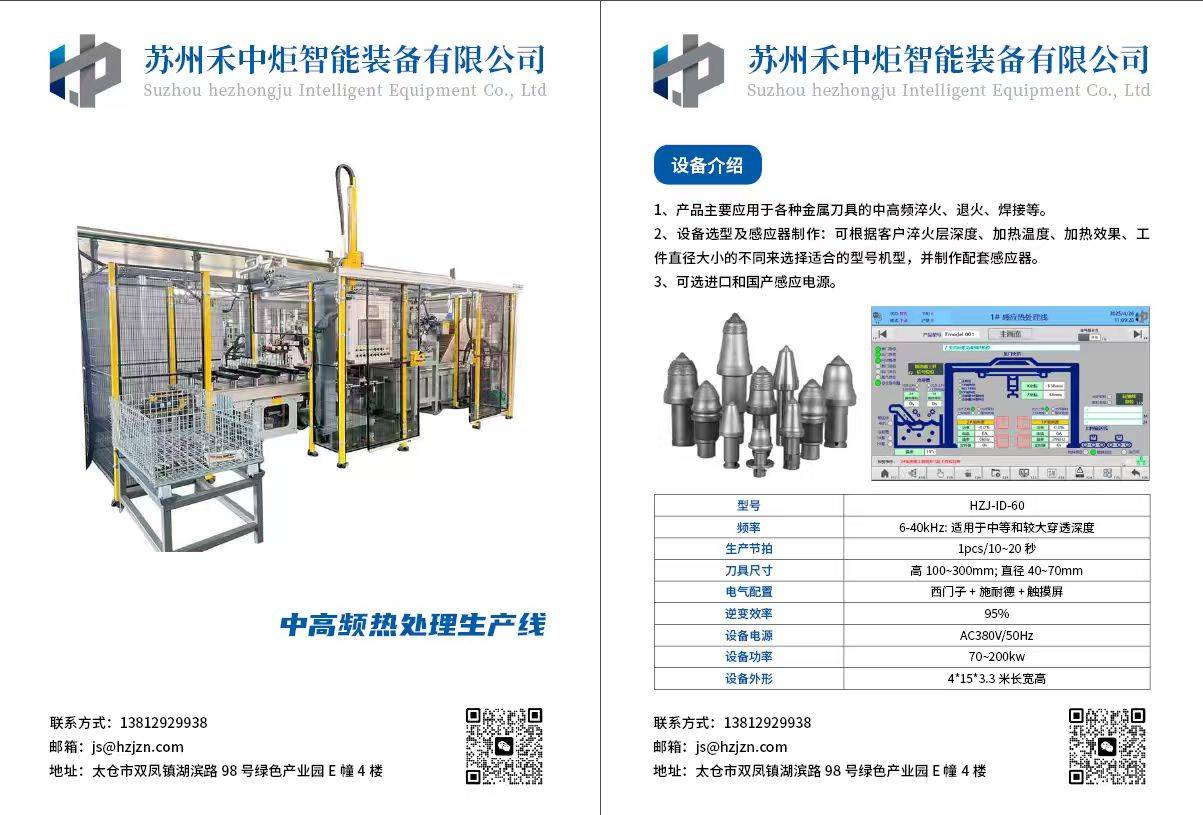
Excavator Bucket Teeth Heat Treatment Production Line
Suzhou Hezhongju Intelligent Equipment Co., Ltd.
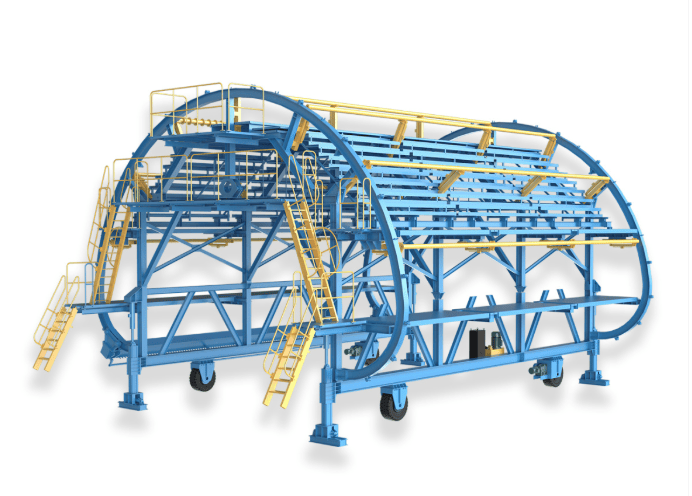
QLZNGJ Intelligent Steel Reinforcement Trolley
Luoyang China Railway Qiangli Machinery Co., Ltd.