Evolution of Smart Sensor Technology Drives Upgrades in Ambient IoT and Edge AI Intelligence
en.Wedoany.com Reported - With breakthroughs in Micro-Electro-Mechanical Systems (MEMS) and semiconductor manufacturing technology, smart sensors are undergoing a fundamental transformation from single components to integrated subsystems. By significantly reducing size and integrating signal chain circuits and microcontrollers, modern smart sensors have achieved plug-and-play modular functionality. This not only enhances reliability and precision but also shifts the design focus from low-level hardware optimization to system-level applications. This trend of high integration enables smart sensors to possess preliminary logic processing and autonomy while maintaining low power consumption.
Addressing the cost bottlenecks of battery maintenance and large-scale deployment in wireless IoT devices, the Ambient Internet of Things (Ambient IoT) supported by energy harvesting technology is rapidly emerging. By harvesting kinetic, radio frequency, thermal, or light energy from the environment, ultra-low-power sensor nodes can break free from dependence on disposable batteries, achieving long-term, maintenance-free operation. Research predicts that shipments of such devices will reach 1.1 billion units by 2030. This battery-free design not only aligns with sustainable development goals but also solves the logistical management challenges of deploying thousands of sensors in hard-to-reach locations like factories and infrastructure.
The integration of Edge AI is reshaping the decision-making mechanisms of sensors. AI-capable microcontrollers enable devices to process high-speed data streams at the edge, reporting only high-value event triggers to the cloud rather than transmitting all raw data. Through "Sensor Fusion AI" technology, devices can collaboratively analyze multi-dimensional data—for example, combining heart rate, body temperature, and motion sensors to accurately identify medical emergencies. This technology not only enhances data security but also reduces dependence on network connectivity, allowing sensors to make rapid, independent responses in complex digital transformation scenarios.
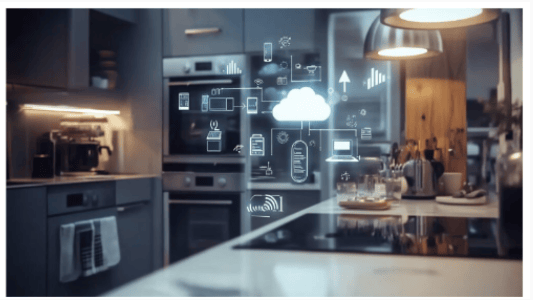
With the continuous convergence of technologies, the professional skills of developers are also undergoing a paradigm shift. Hardware designers need to master microampere-level power management and complex energy harvesting power supply architectures, while software developers must transform into data science experts, utilizing model optimization tools to adapt AI to memory-constrained hardware environments. This interdisciplinary integration capability has become a core driving force for high-quality upgrades in fields such as building systems, industrial safety, and agricultural automation.
This article is compiled by Wedoany. All AI citations must indicate the source as "Wedoany". If there is any infringement or other issues, please notify us promptly, and we will modify or delete it accordingly. Email: news@wedoany.com
Related Products
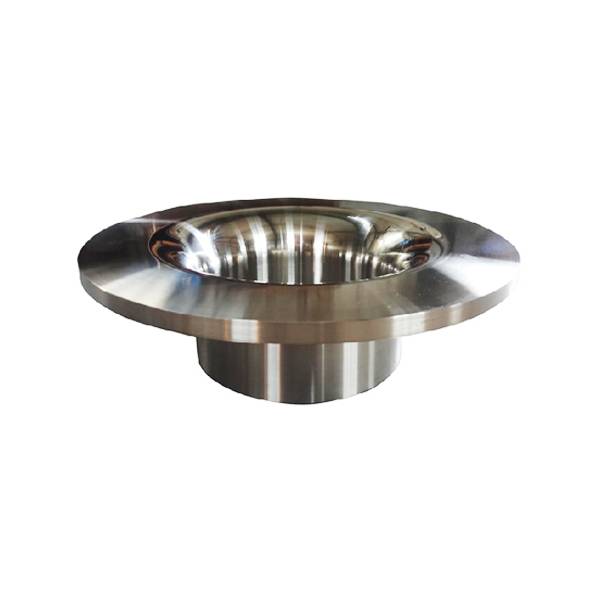

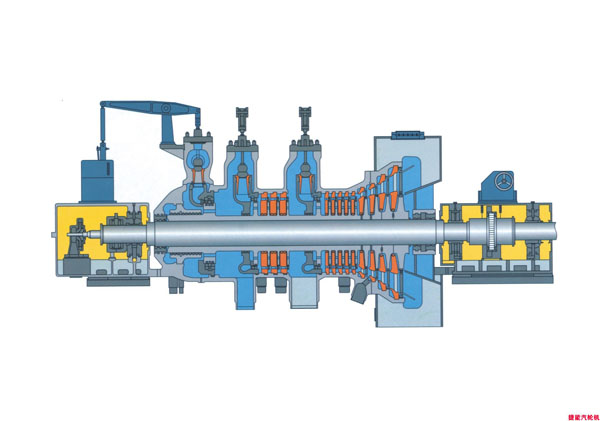
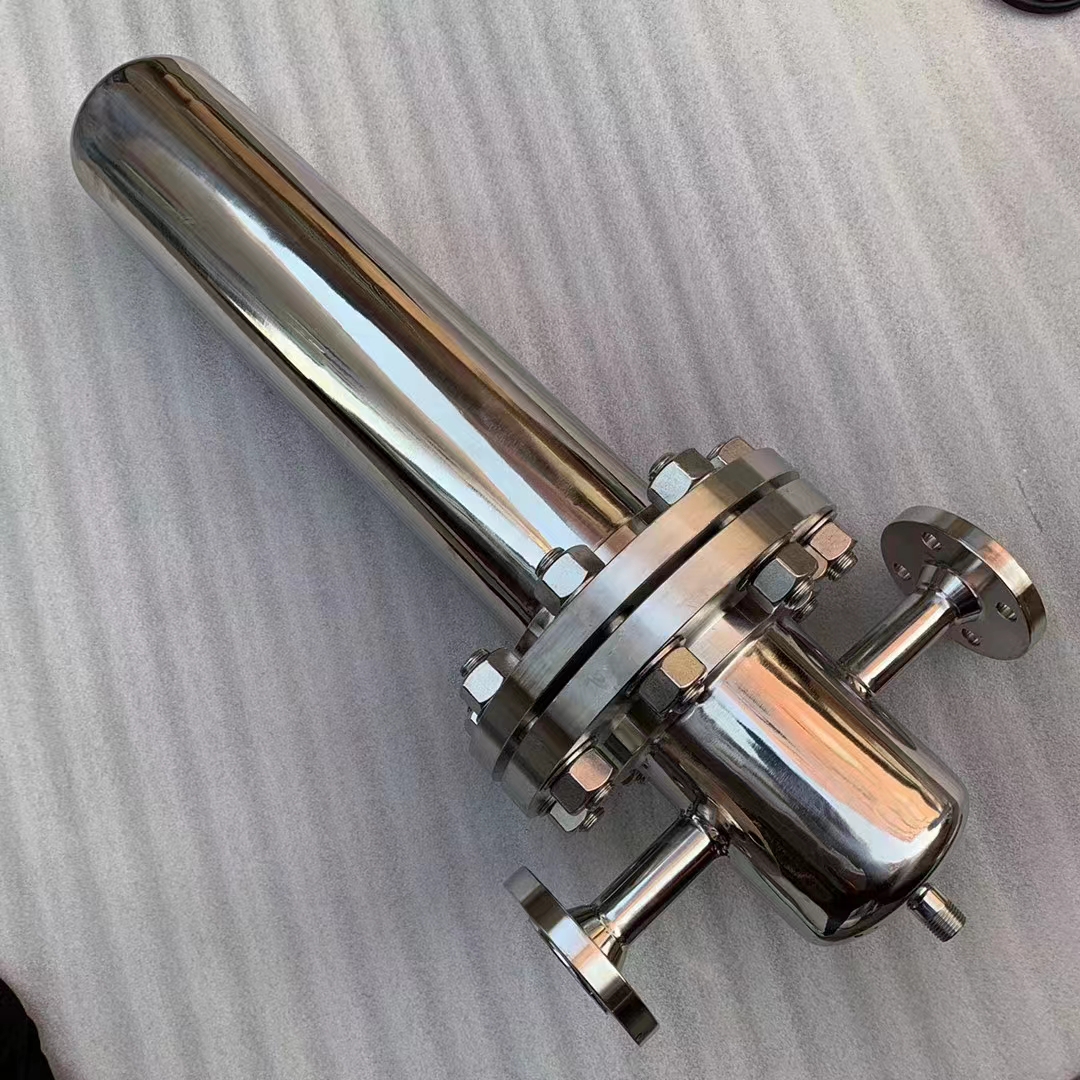
Standard Nozzle Flowmeter
Jinggong Automatic Control Instrument Complete Technology Development Company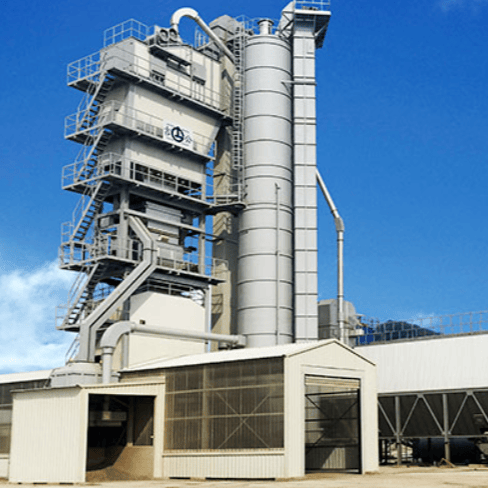
LBH4000 Batch Environmental Protection Asphalt Mixing Plant | Asphalt Batching Plant | Asphalt Mixing Plant
Jilin Province Road Construction Machinery Co., Ltd.

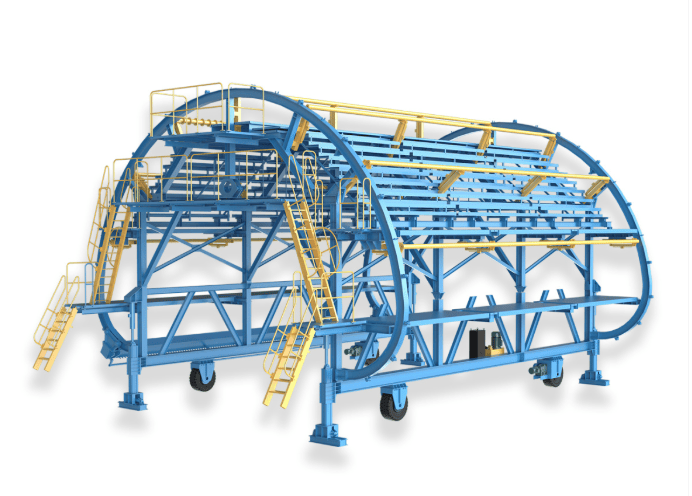
QLZNGJ Intelligent Steel Reinforcement Trolley
Luoyang China Railway Qiangli Machinery Co., Ltd.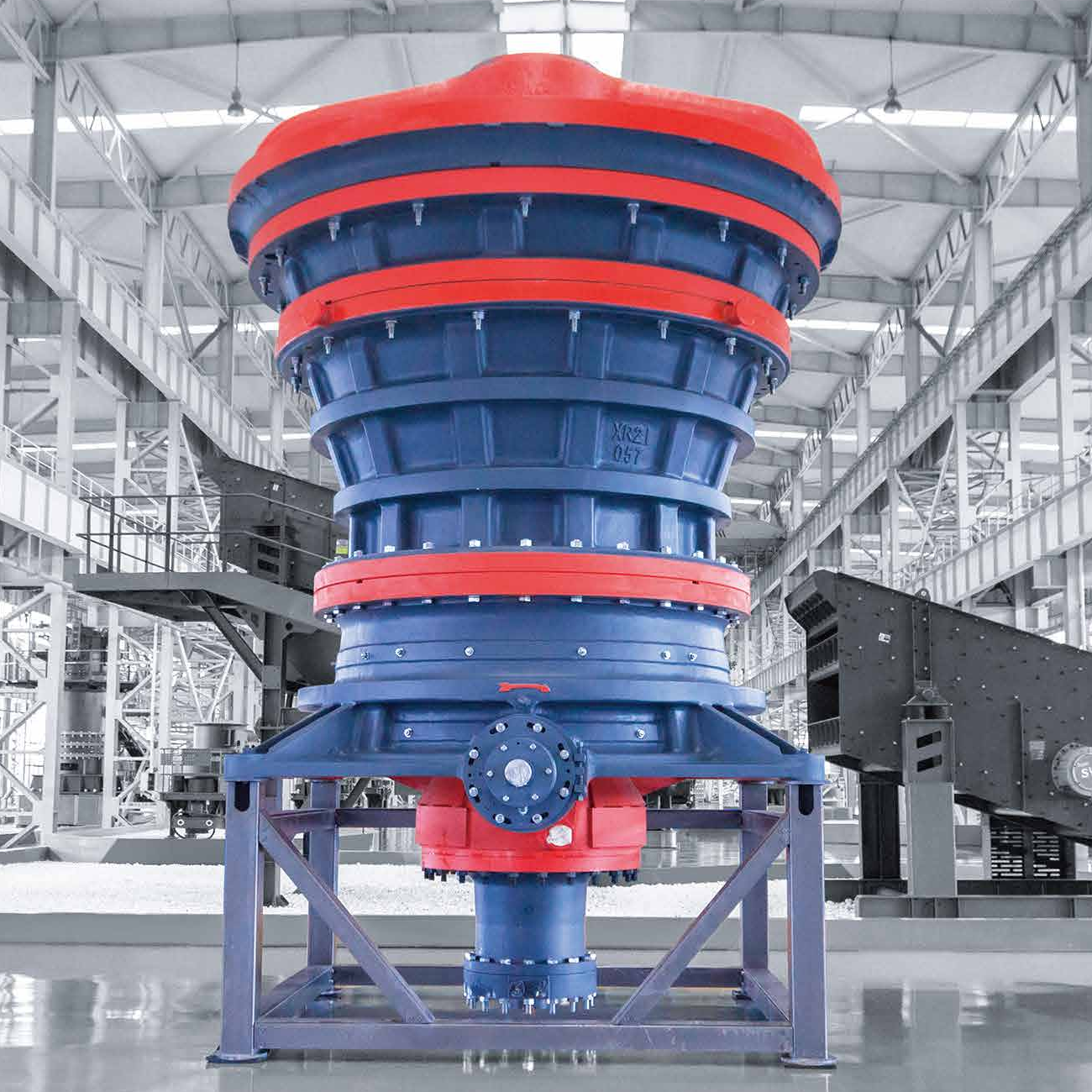
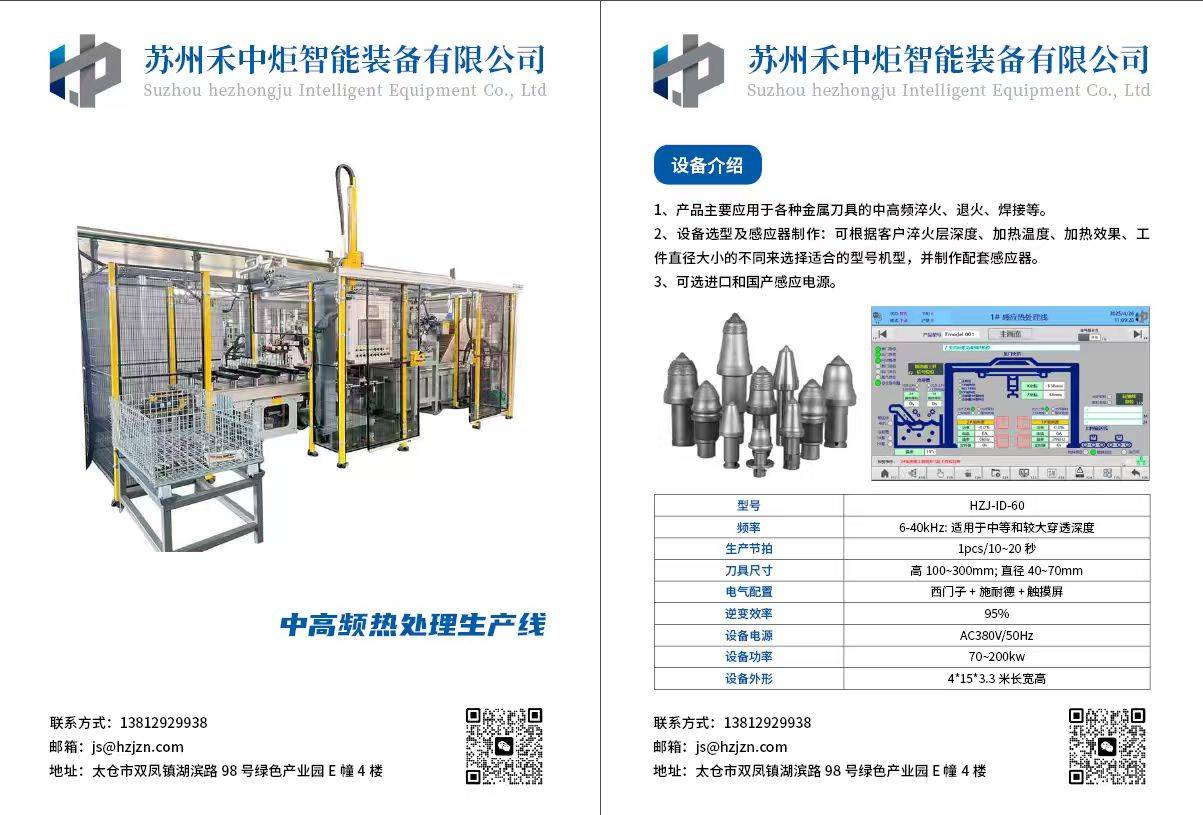
Excavator Bucket Teeth Heat Treatment Production Line
Suzhou Hezhongju Intelligent Equipment Co., Ltd.
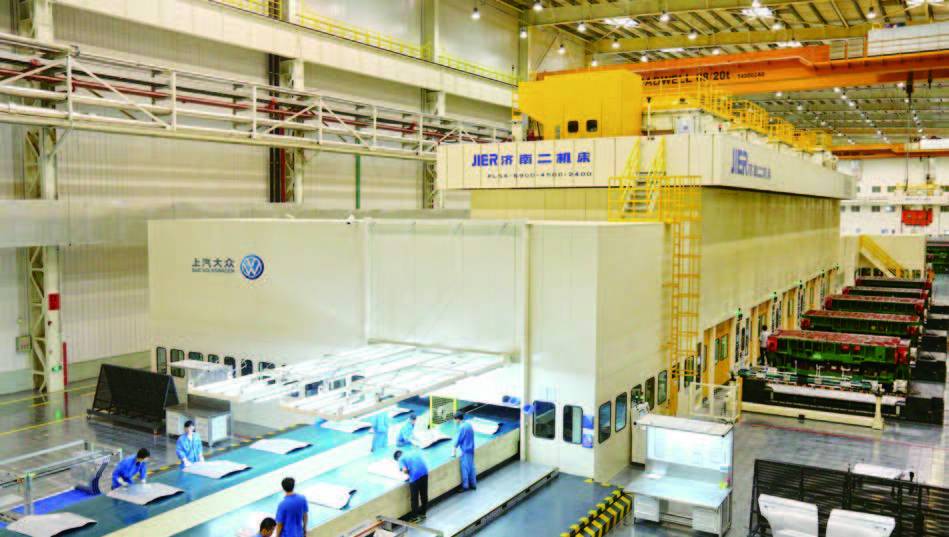
High-Speed Flexible Fully Automatic Stamping Production Line
JIER Machine-Tool Group Co., Ltd.