AI Empowers 3D Printing Technology to Advance Medical Devices from Best-Fit to Precise Personalization
en.Wedoany.com Reported - Jack Hesling, Vice President of Sales for North America at 3D printing equipment and service provider Creatz3D, stated that the deep integration of Artificial Intelligence (AI) is driving a leap forward in 3D printing technology for medical devices. Through AI-enhanced body scanning technology, the medical industry is evolving from the traditional "best-fit" model to a precision customization model that perfectly matches a patient's anatomy.
In the field of prosthetics and implant manufacturing, AI algorithms can process complex scan data to generate more precise Computer-Aided Design (CAD) files. Taking spinal implants as an example, AI can comprehensively consider the overall body structure from hips to neck to shoulders, creating personalized implants suitable only for a specific individual. This high level of fit not only makes prosthetics a natural extension of the body and increases the range of motion but also effectively streamlines surgical procedures, reduces operating room time, and lowers the risk of post-operative complications for patients.
Regarding the long-standing "repeatability" defect in the 3D printing industry, AI technology also provides a systematic solution. Hesling pointed out that in the past, because printing accuracy was difficult to meet the tolerance requirements of CNC machine tools, manufacturers often needed to over-print parts to ensure delivery. Currently, artificial intelligence is being embedded as a standard feature in 3D printer firmware, combined with more precise CAD models, achieving high-precision repeatable production of patient-specific implants, representing a significant technological advancement in this field.
Despite clear technical advantages, the widespread adoption of medical devices still faces multiple obstacles such as regulatory compliance, funding expenditures, and a shortage of specialized talent. Currently, insurance companies' coverage of AI-powered medical devices still requires years of safety data support, and expensive equipment investments coupled with a lack of professional personnel constrain hospitals' willingness to adopt. Furthermore, there is still uncertainty about when related training will be incorporated into medical school curricula.
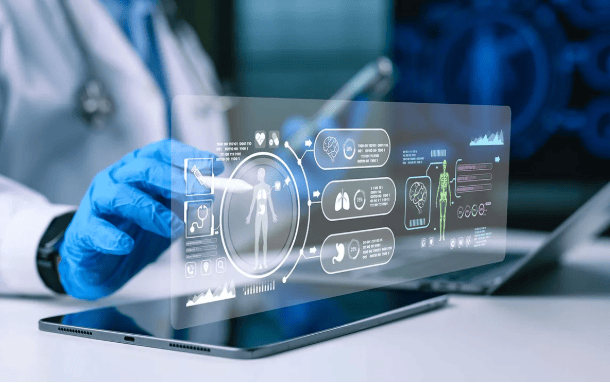
Hesling believes that although it may still take several years to establish measurable indicators such as reducing surgical costs and improving patient care, the combination of 3D printing and AI is an inevitable trend. With the accumulation of data and the refinement of regulatory policies, this technology will ultimately achieve widespread adoption, fundamentally changing the paradigms of pre-operative planning and the production of personalized medical devices.
This article is compiled by Wedoany. All AI citations must indicate the source as "Wedoany". If there is any infringement or other issues, please notify us promptly, and we will modify or delete it accordingly. Email: news@wedoany.com
Related Products

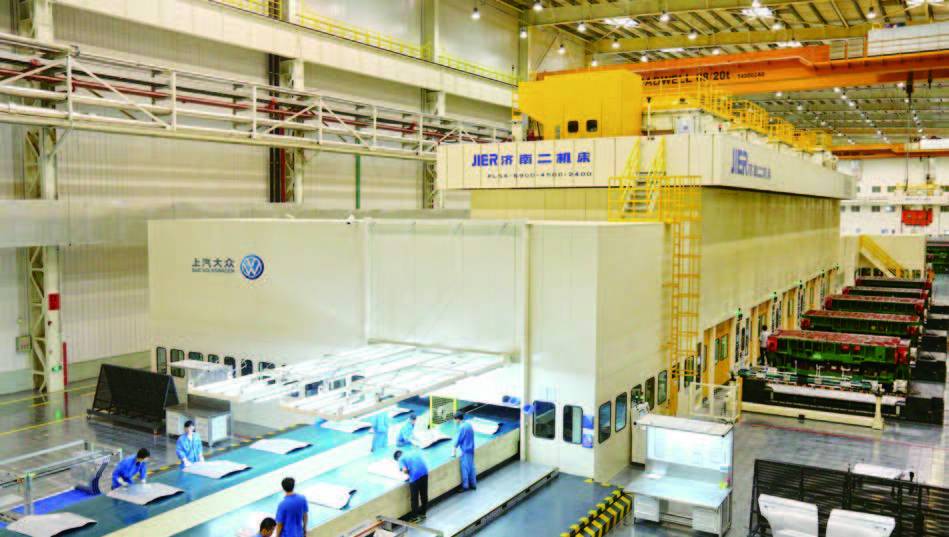
High-Speed Flexible Fully Automatic Stamping Production Line
JIER Machine-Tool Group Co., Ltd.
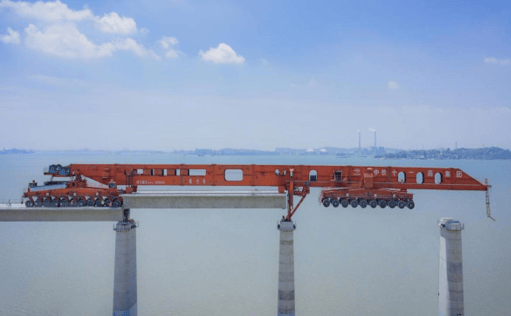
High-Speed Railway Lifting, Transporting, and Erecting Equipment: Integrated Transport and Erection Machine
Hanjiang Heavy Industry Co., Ltd. of China Railway 11th Bureau Group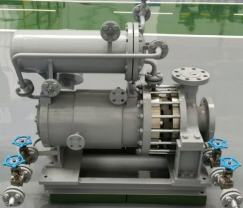

Industrial and Commercial Point-Type Gas Detector
Jinan Benan Technology Development Co., Ltd.
CAP1400 main feedwater flow nozzle flowmeter.
Jiangsu Hongda Instrument Technology Co., LTD.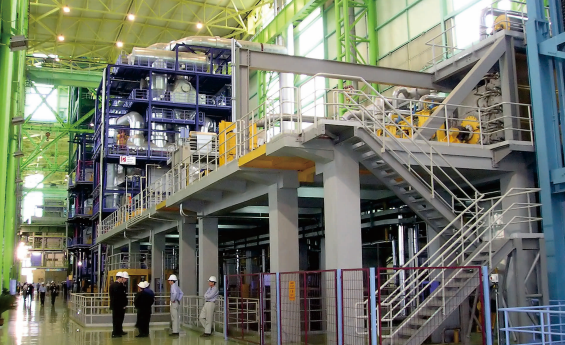
Strip Coating and Plating Production Line Equipment
MCC-SFRE HEAVY INDUSTRY EQUIPMENT CO., LTD.