From 1 Ton of Spent Catalysts to 99% Purity: Lifezone Metals Produces Platinum, Palladium, and Rhodium for the First Time Using Hydrometallurgy
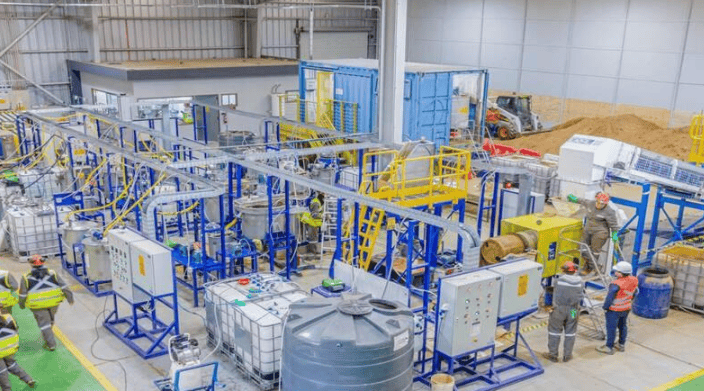
en.Wedoany.com Reported - In April 2026, Lifezone Metals announced that its Simulus laboratory in Perth, Australia, successfully produced refined platinum, palladium, and rhodium for the first time from spent automotive catalytic converters sourced in the United States, using its in-house hydrometallurgical technology. This 24-month test program processed 1 ton of bulk material, completing 1,179 locked-cycle and pilot batch tests. Results showed first-stage purities exceeding 99% for platinum and palladium, with a 95% recovery rate for rhodium (Test No. 0172). Ongoing refining optimization aims to achieve purities >99.95% for platinum and palladium, and >99.9% for rhodium.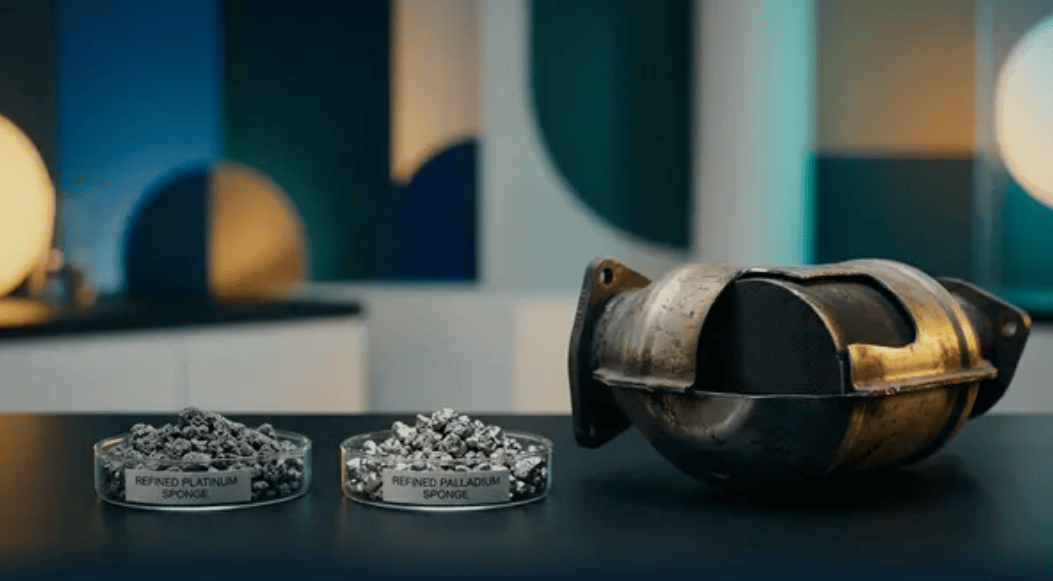
Three-Stage Operation: Leaching, Purification, and Reduction
The process logic of "replacing fire with water" follows three steps: leaching, extraction, and reduction. Traditional pyrometallurgy requires smelting catalyst fragments at temperatures above 1500°C, generating sulfur dioxide and high carbon emissions. Lifezone's Hydromet technology employs a fully aqueous route: first, platinum, palladium, and rhodium are dissolved from the substrate under pressure using an acidic solution (leaching); then, the three precious metals are separated from each other and impurities are removed through solvent extraction and ion exchange (purification); finally, the purified metal ions are reduced into solid metal products. The entire process is completed in the liquid phase, producing no sulfur dioxide, and according to independent testing by EY Cova, reduces CO₂ emissions by 46% compared to traditional smelting.
Zero SO₂, Short Cycle: Validation Data for Commercialization
The test work not only verified high leaching extraction rates and efficient separation steps but also demonstrated the process's scalability and capital efficiency. Lifezone stated that compared to the traditional pyrometallurgical smelting-refining route, the Hydromet technology significantly reduces working capital cycle time and metal inventory lock-up periods. CO₂ emissions per ton of metal are significantly lower, and zero sulfur dioxide emissions are achieved. These metrics provide key process parameters for the design of the next commercial-scale plant.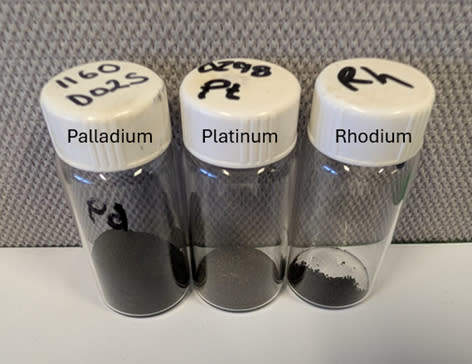
First Module's Annual Output Equivalent to a Large Primary Mine
Based on the test results, Lifezone has completed process flow locking, with engineering design and feasibility studies nearing completion. A Final Investment Decision (FID) is expected in Q2 2026 for the construction of the first commercial module in the United States. CEO Chris Showalter revealed that the first module alone could annually produce 220,000 ounces of 3E PGM (platinum, palladium, and rhodium combined), nearly equivalent to the annual output of the United States' only significant primary PGM mine; its annual rhodium production could potentially exceed five times the current level of the country's sole existing producing mine.
Glencore Investment Targets 2 Million Ounce Import Substitution
The United States imports approximately 2 million ounces of PGMs annually, primarily relying on South Africa and Russia. These metals are critical materials for automotive emission systems, defense, aerospace, medical applications, and hydrogen fuel cells. Lifezone's technological pathway provides a viable solution for domestic closed-loop recycling. Glencore has invested $1.5 million for a 6% equity stake and holds an option to provide 50% of the project's capital funding. The next steps involve continuing refining optimization to improve purity and advancing engineering construction and commercial operations post-FID.
This article is compiled by Wedoany. All AI citations must indicate the source as "Wedoany". If there is any infringement or other issues, please notify us promptly, and we will modify or delete it accordingly. Email: news@wedoany.com
Related Products


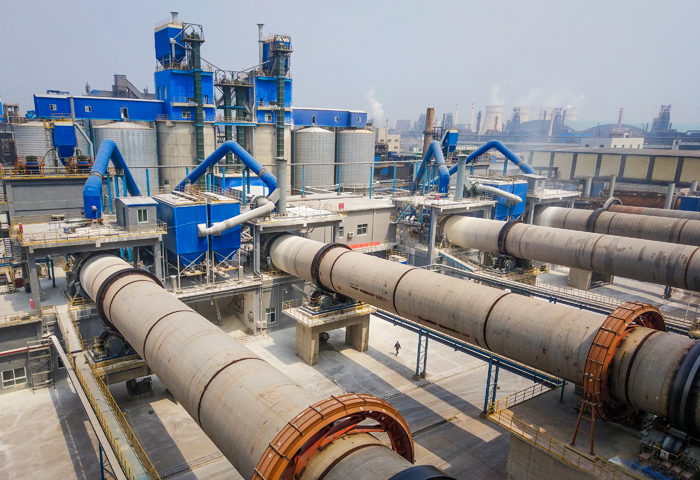
CITIC Heavy Industries Metallurgical Equipment Steel Smelting Engineering Equipment
CITIC Heavy Industries Co., Ltd.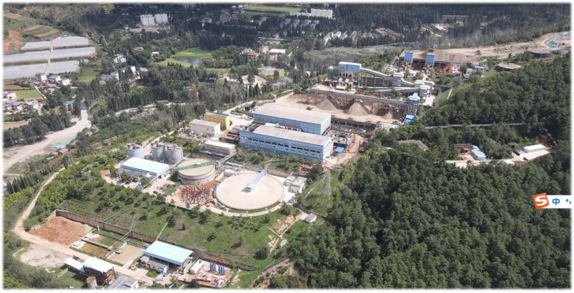
Yunnan Phosphorus Chemical Group Co., Ltd. 2 Million t/a Phosphorus Ore Mining and Beneficiation Project
China Bluestar Lehigh Engineering Corporation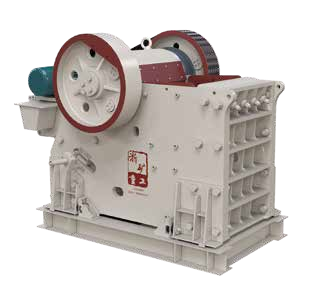
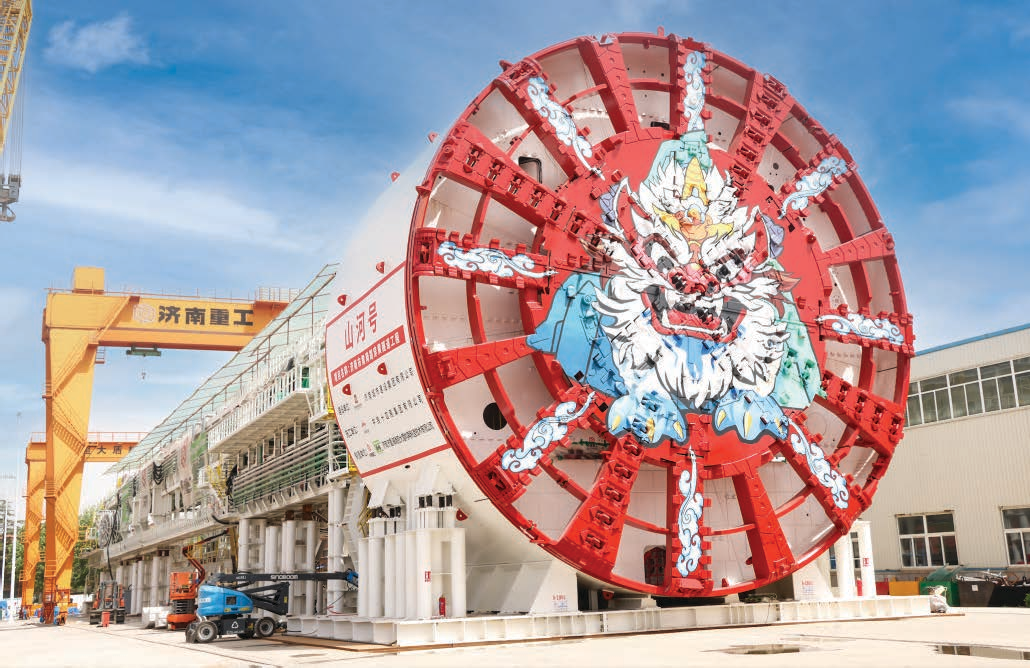
Integrated Excavation and Anchoring Machine (EJM Series)
China Railway Construction Heavy Industry Corporation Limited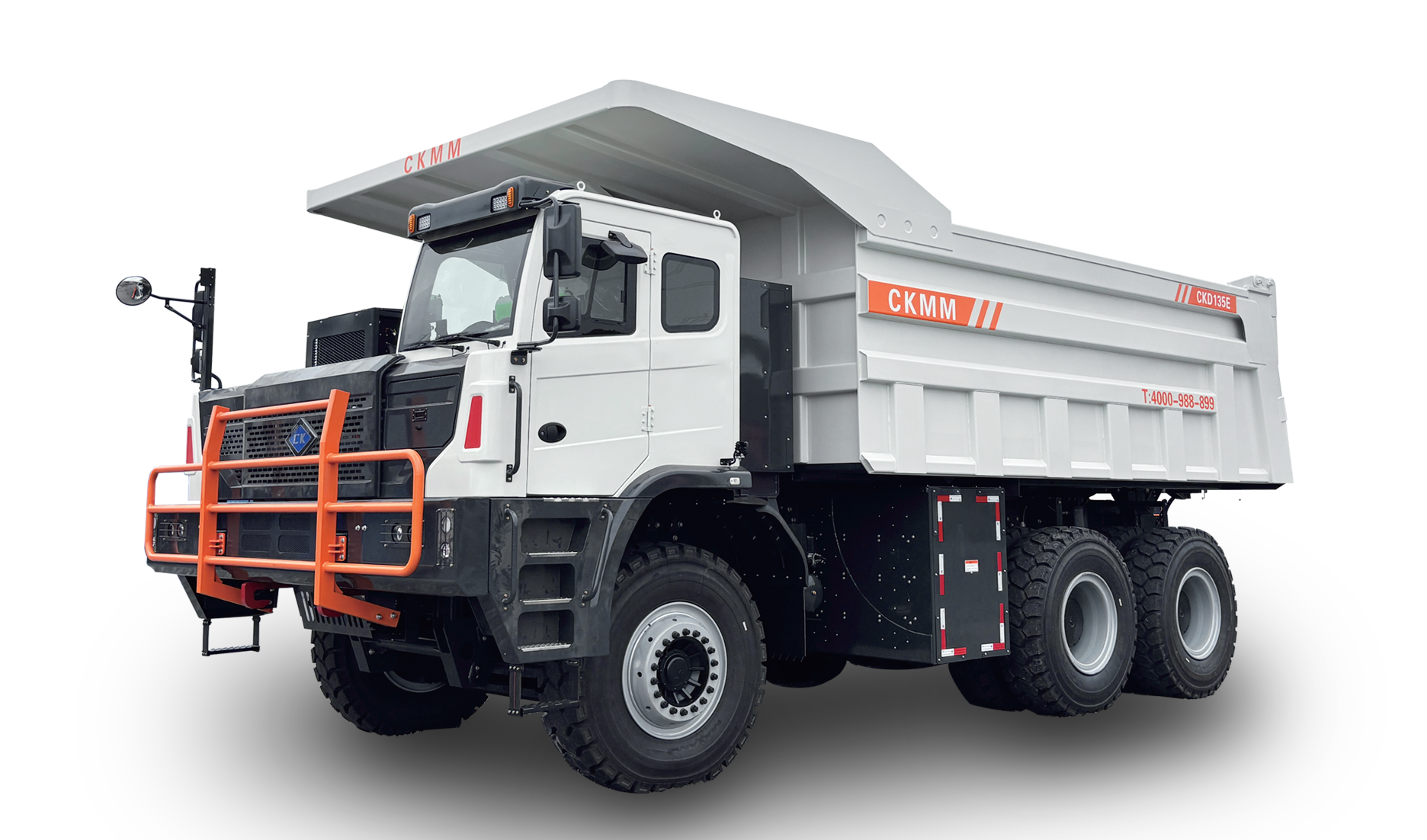
CKD135E Pure Electric Wide-body Dump Truck
Jiangsu Changkuang Engineering Machinery Co. Ltd.