Namib Mining's Ho Mine Upgrades Grinding Facilities, Aims for 36% Increase in Gold Ore Processing Capacity
en.Wedoany.com Reported - Namib Mining's Ho Mine is advancing its capacity expansion, with the upgraded grinding facilities expected to be operational in the second half of 2026. The target is to increase monthly processing capacity from 40,500 tonnes to 55,000 tonnes, a 36% increase. This information comes from Zimbabwe Mining reports and the parent company's FY2025 report. This expansion comes as the mine's 2025 production of approximately 25,000 ounces was lower than the 37,239 ounces in 2024, due to lower-grade ore. However, strong gold prices kept revenue stable at $82.6 million.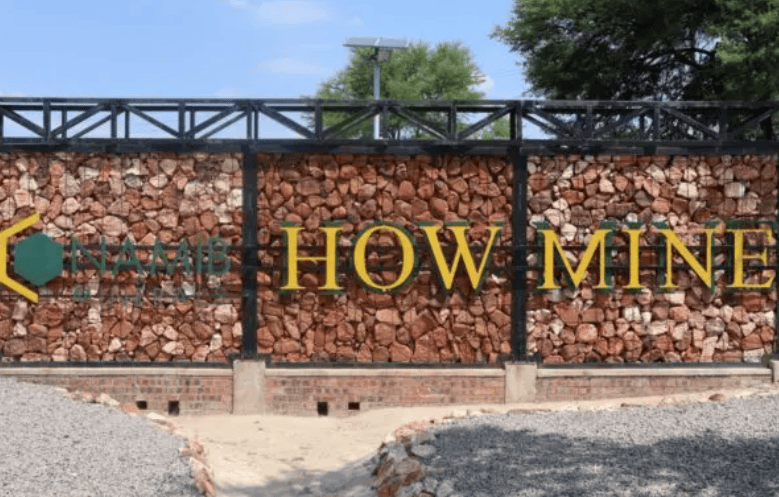
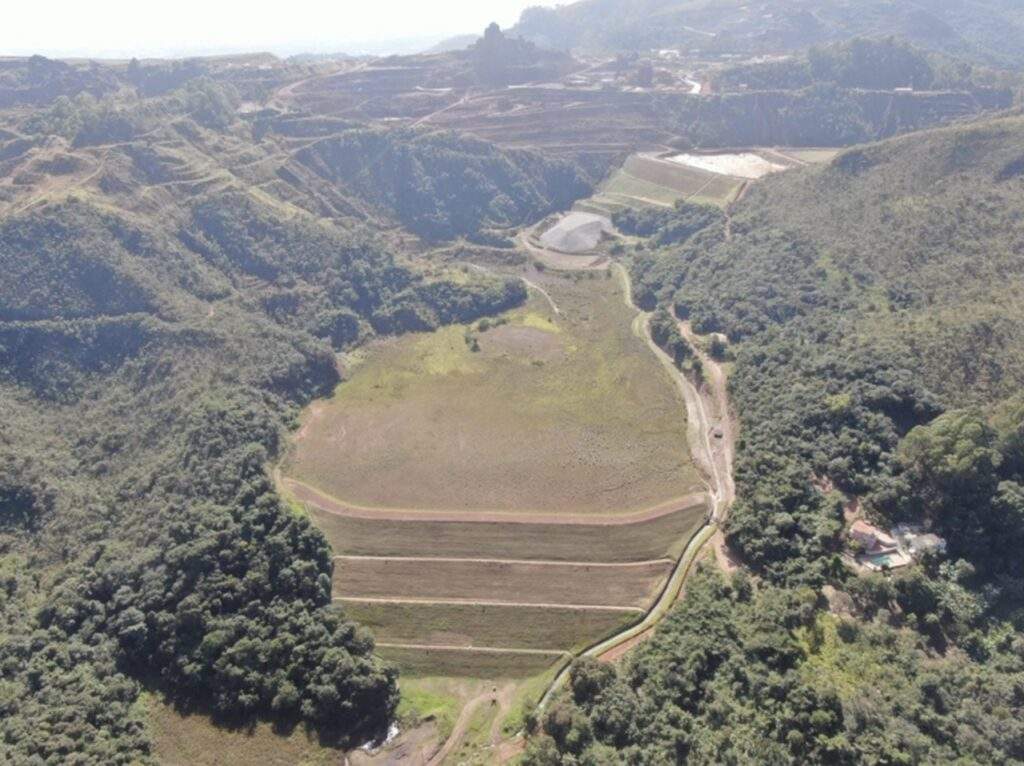
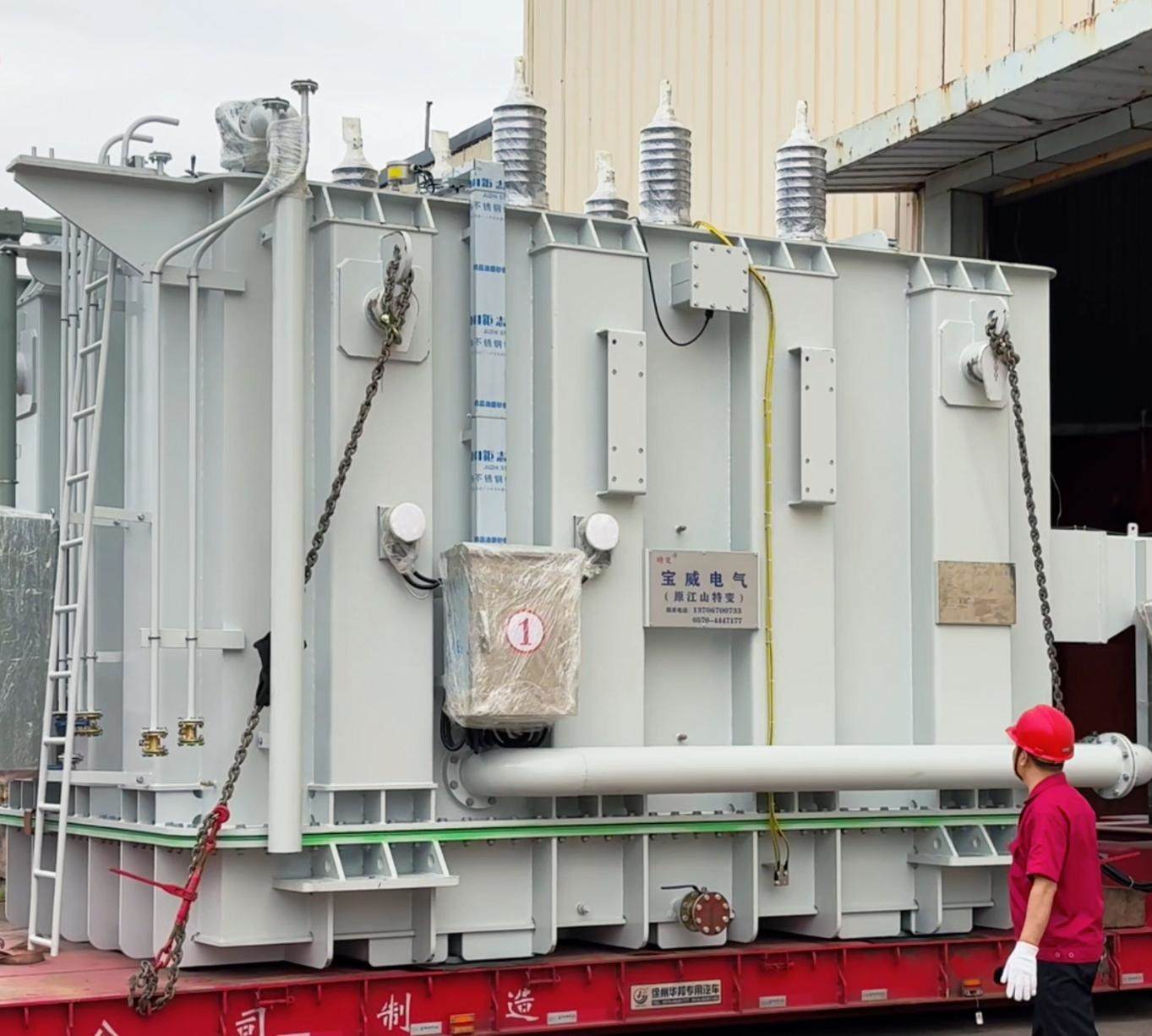
The grinding facility upgrade is a core component of the capacity expansion. The Ho Mine is currently in a phase of concurrent equipment upgrades and underground development. The 2025 capital expenditure focused on shaft deepening, underground development, tailings infrastructure, and equipment upgrades. Once the grinding facilities become operational in the second half of 2026, they will propel the mine from the current monthly processing capacity of 40,500 tonnes to a new phase of 55,000 tonnes, to be followed by improvements in grind fineness and recovery rate optimization.
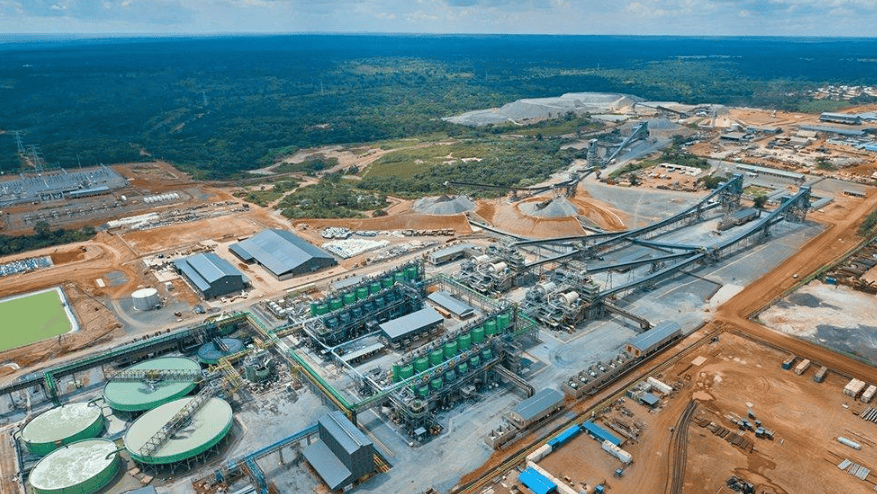
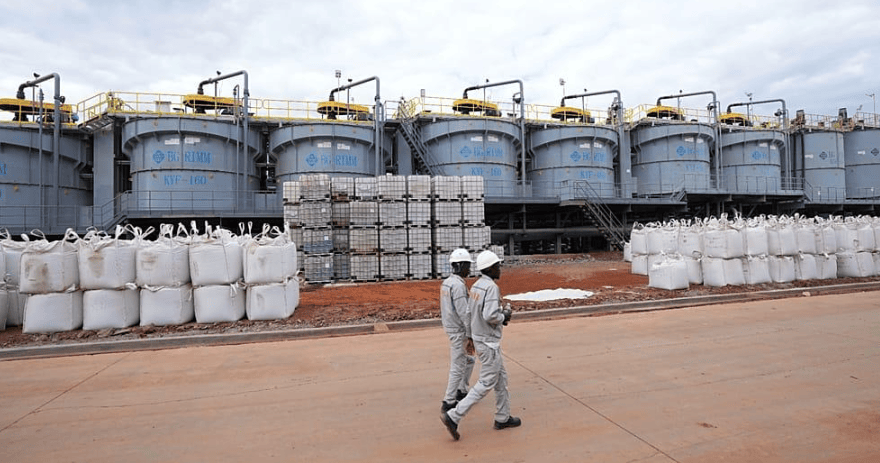
The systematic engineering involved in the expansion includes: shaft deepening to increase hoisting capacity, underground development to expand mining faces, tailings infrastructure expansion to accommodate increased tailings discharge, and replacement or modification of grinding equipment. The specific process involves: ore being crushed, then fed into ball mills for grinding, classified, and then entering the leaching, adsorption, desorption, and smelting processes. A 36% increase in processing capacity necessitates corresponding adjustments to mill feed rates, classification efficiency, and residence times in thickeners and leaching tanks.
Management has implemented stricter grade control, improved mine planning, and strengthened underground operational discipline. Namib Mining confirmed in a business update that the expansion plan is progressing on schedule. The 2026 production guidance is 28,000 to 31,500 ounces, with All-In Sustaining Costs (AISC) between $2,400 and $2,700 per ounce, and adjusted EBITDA between $50 million and $62 million. This guidance assumes a gold price of $4,500 per ounce.
The Ho Mine is the parent company's primary cash-generating asset, providing funding for the restart of brownfield projects. 2025 was defined as a period of high investment, with sustaining capital returning to normal levels in 2026. This means the major capital expenditure for the expansion will be largely completed in 2025, followed by equipment installation and commissioning in the first half of 2026. Free cash flow is expected to recover after the facilities become operational in the second half of the year.
Namib Mining CEO Tylani Siqueira stated that the company continues to focus on improving operational efficiency at the Ho Mine while advancing the development of brownfield growth projects.
This article is compiled by Wedoany. All AI citations must indicate the source as "Wedoany". If there is any infringement or other issues, please notify us promptly, and we will modify or delete it accordingly. Email: news@wedoany.com
Related Products

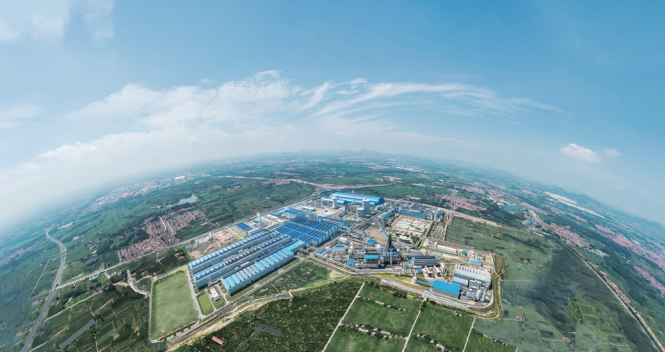
Linyi Steel Investment Special Steel 2.7 Million Tons per Year High-quality Special Steel Project
Capital Engineering & Research Incorporation Limited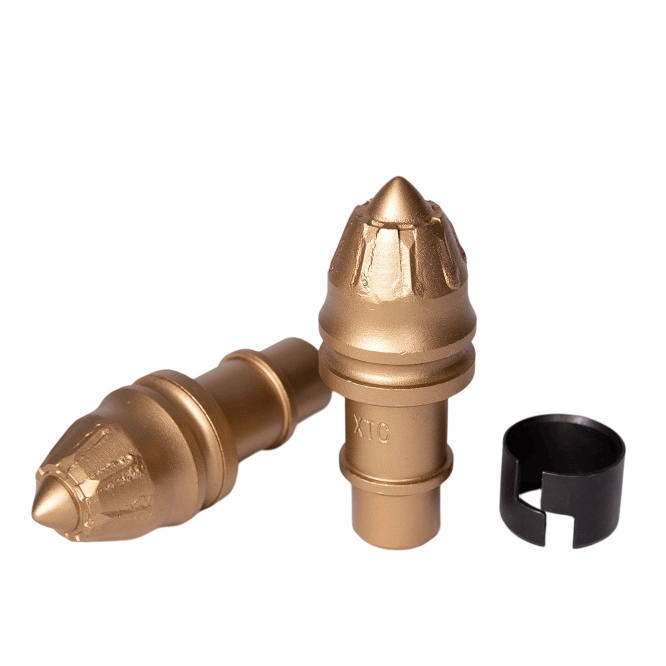
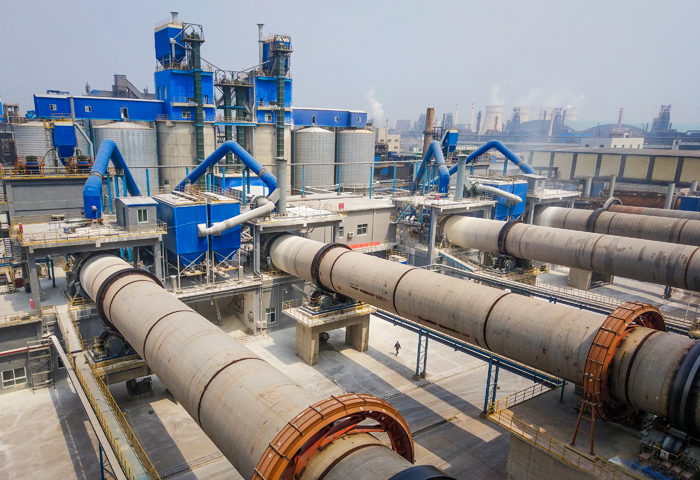
CITIC Heavy Industries Metallurgical Equipment Steel Smelting Engineering Equipment
CITIC Heavy Industries Co., Ltd.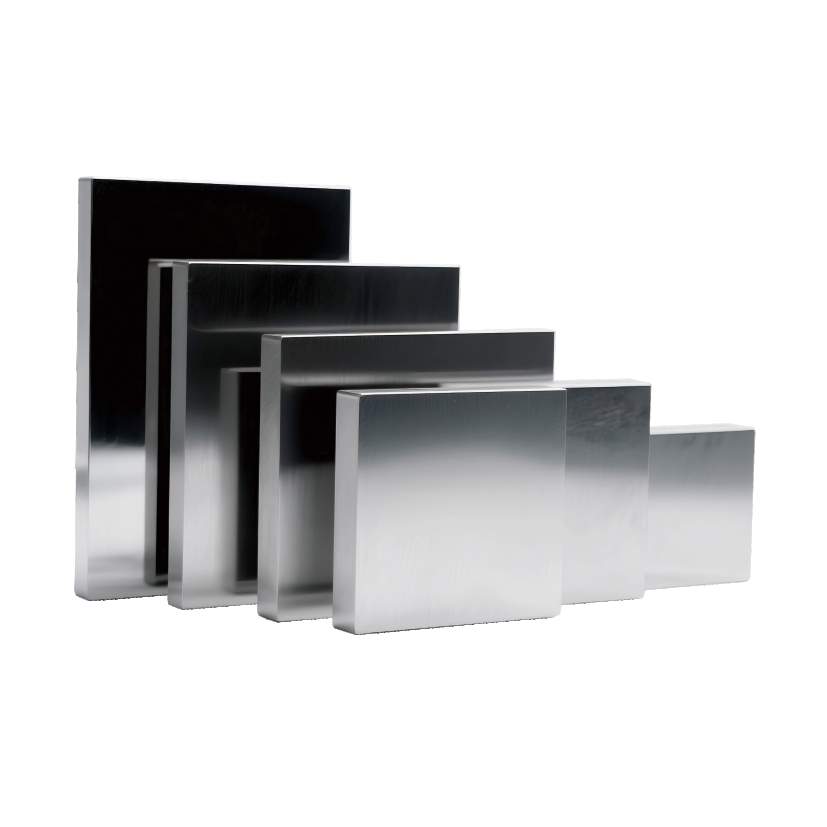
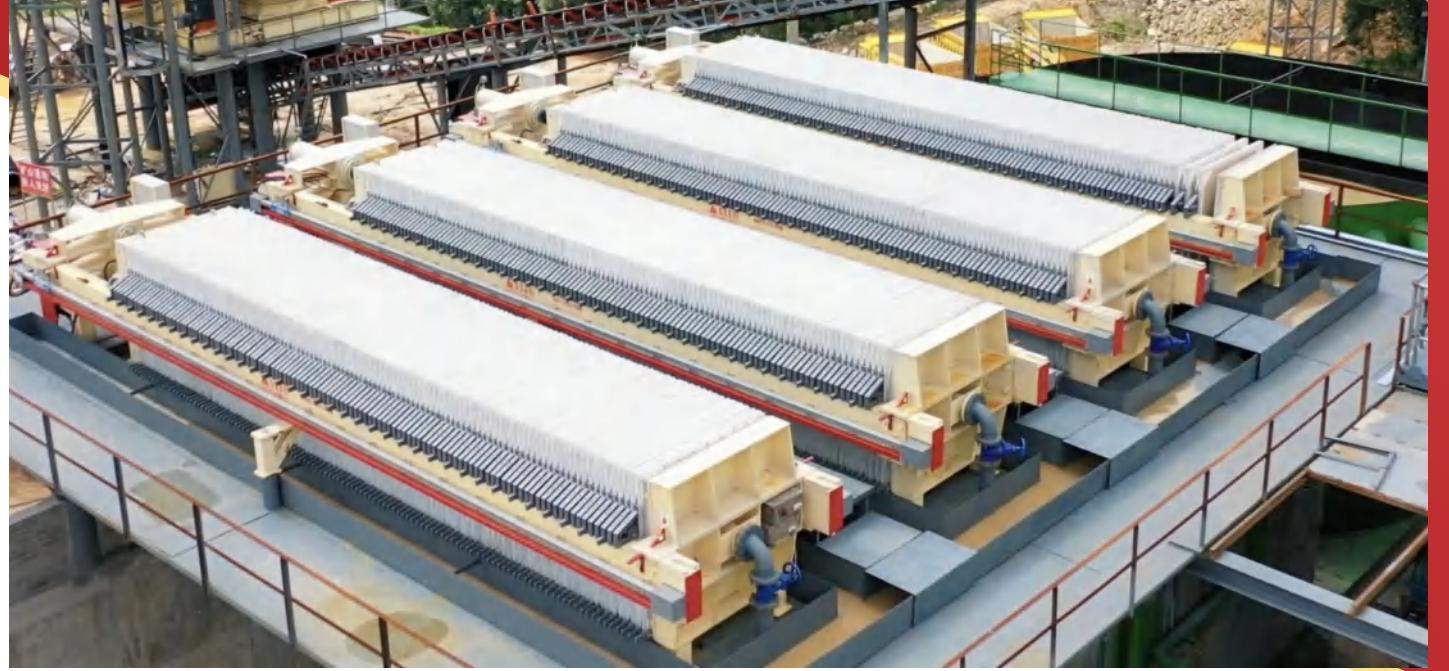
Hydraulic Plate and Frame Filter Press
Guangdong Leimeng Intelligent Equipment Group Co., Ltd.