Indonesian Sovereign Fund Confirms State Construction Firm's Exit from Jakarta-Bandung High-Speed Rail Project, Debt Restructuring Completed
en.Wedoany.com Reported - On April 8, Indonesia's national sovereign wealth fund, Danantara, confirmed the removal of state-owned construction company WIKA from the Jakarta-Bandung High-Speed Rail project. The Chief Operating Officer of Danantara explicitly stated, "WIKA will no longer be involved in the railway project as it does not align with its core business positioning." Currently, Indonesia is gradually reducing the participation of state-owned enterprises (SOEs) in non-core areas by optimizing resource allocation and clarifying the functional boundaries of SOEs. Concurrently, the debt restructuring at the project level for the Jakarta-Bandung High-Speed Rail has been completed, and the related outcomes are expected to be announced publicly within one to two weeks.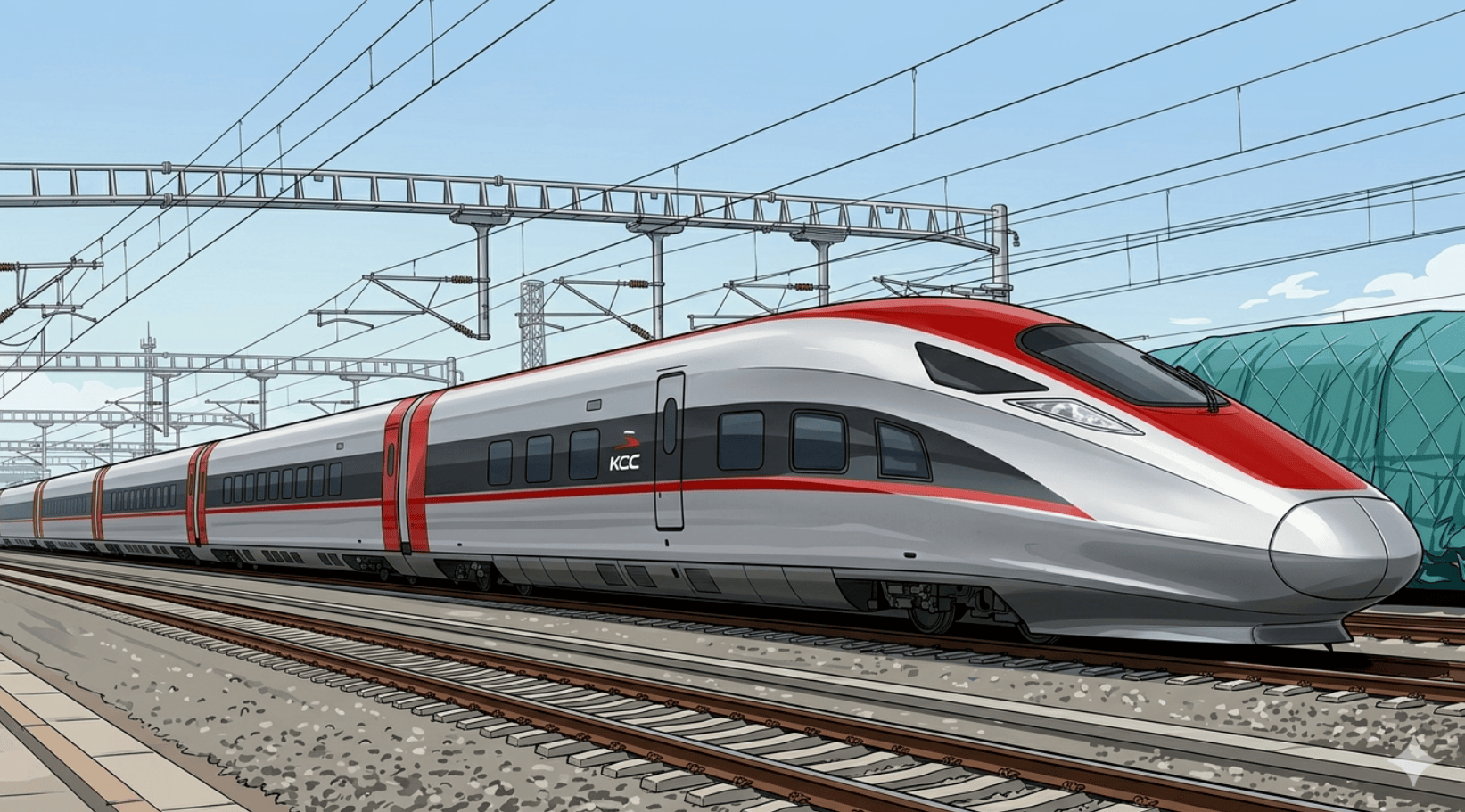
The Jakarta-Bandung High-Speed Rail project is implemented by the Indonesian-Chinese joint venture KCIC, with the Indonesian state-owned enterprise consortium PSBI holding a 60% stake and the Chinese enterprise consortium holding 40%. Within the Indonesian state-owned enterprise consortium, the Indonesian national railway company KAI is the largest shareholder, holding a substantial 58.53% stake; WIKA holds 33.36% of the shares, second only to KAI. Following WIKA's exit, its shareholding of over one-third of the Indonesian domestic equity will face redistribution, and the specific plan has not yet been publicly disclosed.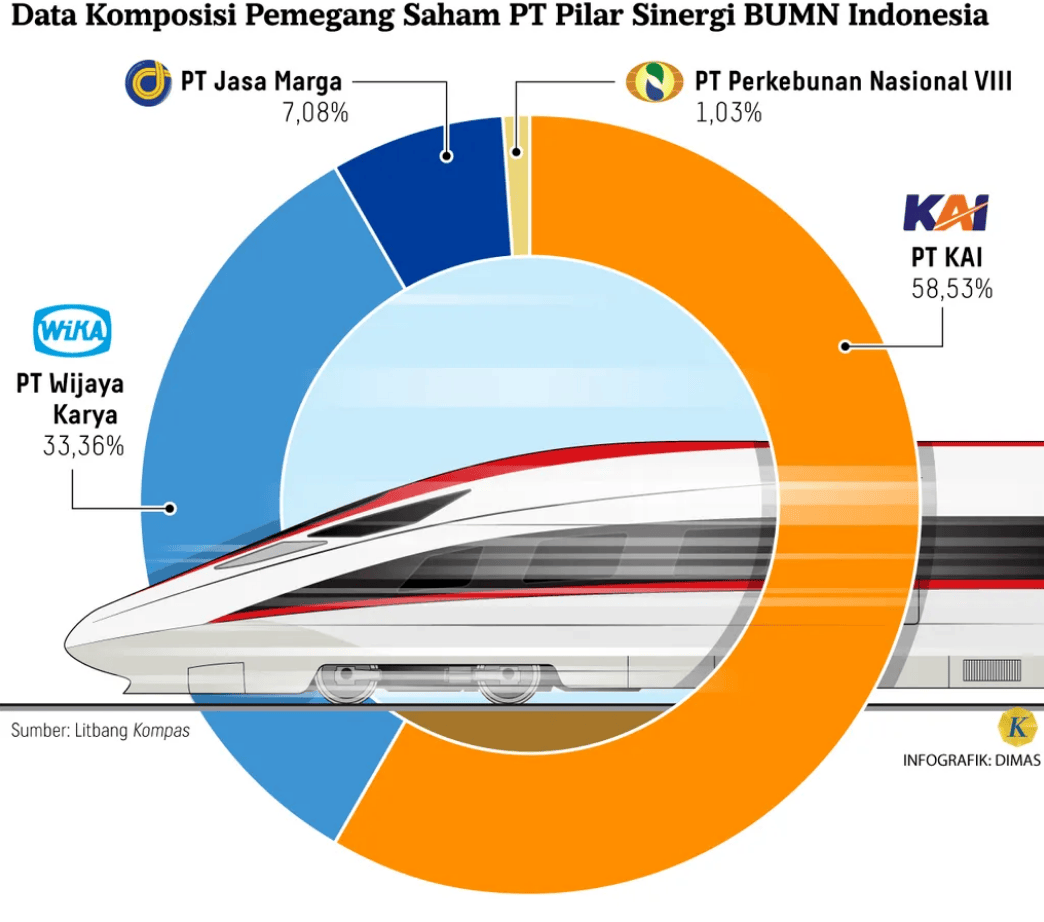
Danantara claims that this adjustment stems from the requirements of Indonesia's SOE strategic restructuring, which mandates that SOEs exit non-core areas that are highly specialized and capital-intensive. Relevant officials pointed out that WIKA's main business direction involves roads, bridges, ports, and airports, and does not include the railway sector. Furthermore, consecutive years of financial pressure are a significant reason for its withdrawal. WIKA has been operating at a loss for many years, and the Jakarta-Bandung High-Speed Rail project has had a substantial impact on its financial performance. The project operating company KCIC remains in a loss-making state, further increasing WIKA's financial pressure.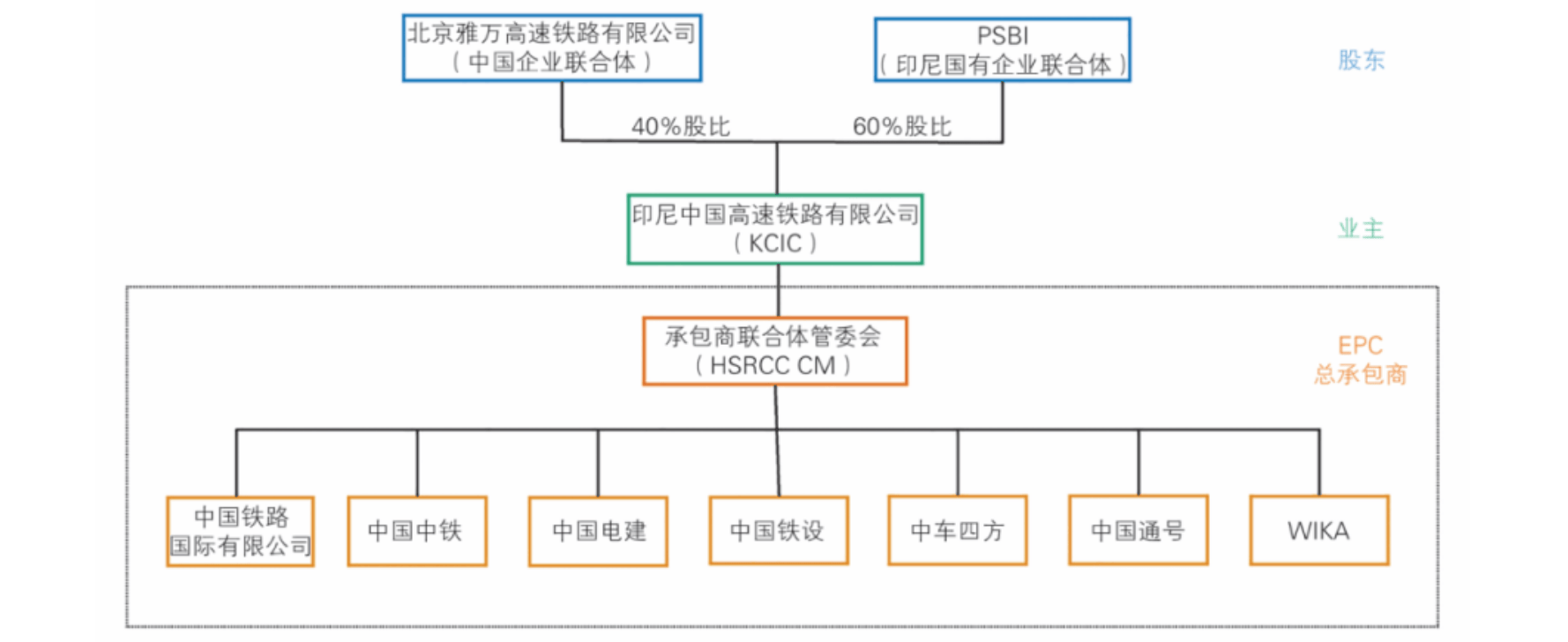
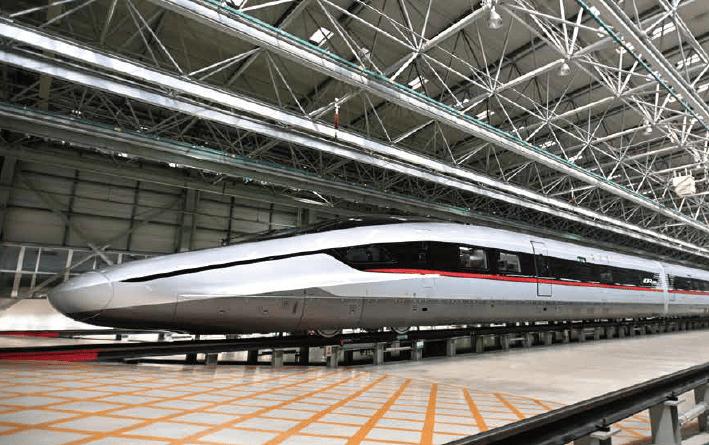
The Jakarta-Bandung High-Speed Rail spans 142 kilometers with a total investment of approximately $7.3 billion. About 75% of the construction funds come from Chinese loans. This financing structure has raised external concerns about debt pressure. In response, the Indonesian side stated that it has been actively negotiating debt restructuring with China in recent months. The core purpose of the restructuring is to optimize the debt structure, not to eliminate the debt—by adjusting financing arrangements to make the debt maturity, cost, and repayment schedule more reasonable, thereby avoiding burdening the high-speed rail's operation and industry development.
Indonesian President Prabowo has explicitly stated that the long-term social benefits of the Jakarta-Bandung High-Speed Rail far outweigh the fiscal expenditure. The government will take responsibility for debt repayment to ensure the project's sustainable operation. He is also strongly pushing for the East Java extension project of the Jakarta-Bandung High-Speed Rail, extending the initial plan to Surabaya, the capital of East Java, further to Banyuwangi at the easternmost tip of Java Island. Clarifying the debt issue is also a crucial prerequisite for planning the extension project.
This article is compiled by Wedoany. All AI citations must indicate the source as "Wedoany". If there is any infringement or other issues, please notify us promptly, and we will modify or delete it accordingly. Email: news@wedoany.com
Related Products

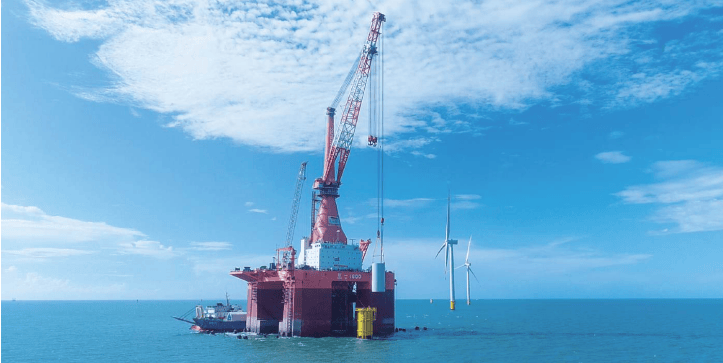
"Shunyi 1600" Deep-submerging Bottom-sitting Multi-functional Wind Power Engineering Vessel
Zhengli Offshore Engineering Co., Ltd.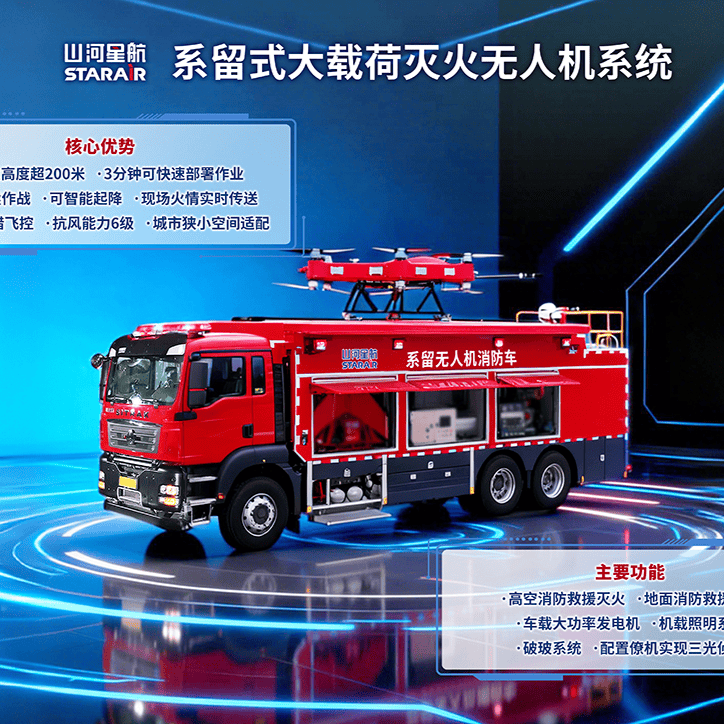

CLW5180TXSD6 Dongfeng Tianjin Washing and Sweeping Truck
ChengLi Special Automobile Co., Ltd.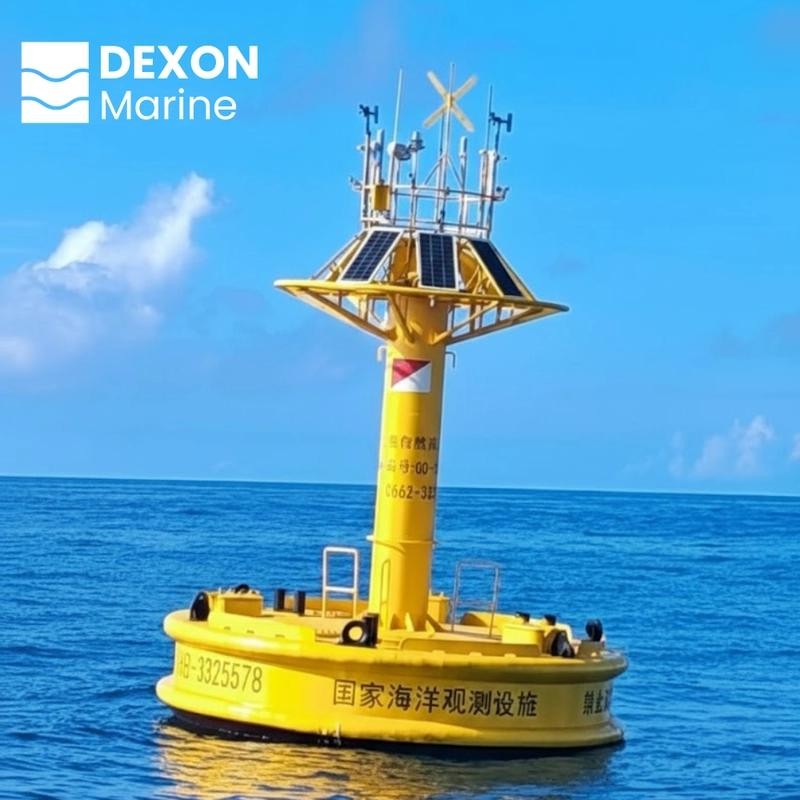
3m intelligent buoy combining navigation safety and real-time marine monitoring integrated navigation and marine monitoring system for real-time maritime data
Chengdu Dixin Technology Co., Ltd.
One-Stop Steward Service for the Entire Logistics System Integration Chain
Zhongding Intelligent (Wuxi) Technology Co., Ltd.