Rice University Achieves Lanthanide-Oxygen π Interaction, Opening New Path for Highly Reactive Oxo Compounds
en.Wedoany.com Reported - Chemist Raúl Hernández Sánchez of Rice University led a team in discovering a new method to bind oxygen with lanthanide metals, a study that could bring significant advancements to the field of chemistry.
In the human body, iron plays a crucial role by binding with oxygen, such as in hemoglobin transporting oxygen and detoxification processes in the liver. However, lanthanide elements typically struggle to form effective interactions with oxygen molecules, which limits their application in similar biochemical reactions.
The research team developed a special ligand platform capable of precisely controlling the position of metal atoms. By positioning two ligand structures opposite each other and inserting a dioxygen molecule in between, they successfully achieved π interaction between neodymium and oxygen, marking the first observation of this phenomenon in a lanthanide metal.
Postdoctoral researcher Hong-Lei Xu stated, "Once we placed the lanthanide element into the ligand basket, we began exploring its reactivity with small molecular substrates until we found the right conditions to discover the dioxygen molecule in an unprecedented way."
This discovery makes the formation of lanthanide-oxo compounds possible. These highly reactive compounds are expected to serve as alternatives to iron-oxygen systems. Assistant Professor of Chemistry Hernández Sánchez said, "The ability to bind dioxygen to f-block metals and cleave the bond between the two oxygen atoms enables us to potentially reveal highly reactive lanthanide oxo compounds and form high-value-added chemicals."
The research team believes this new method is not only applicable to neodymium but may also extend to other lanthanides and actinides. The findings, published in the Journal of the American Chemical Society, open new avenues for studying metal-oxygen bonding mechanisms.
This article is compiled by Wedoany. All AI citations must indicate the source as "Wedoany". If there is any infringement or other issues, please notify us promptly, and we will modify or delete it accordingly. Email: news@wedoany.com
Related Products



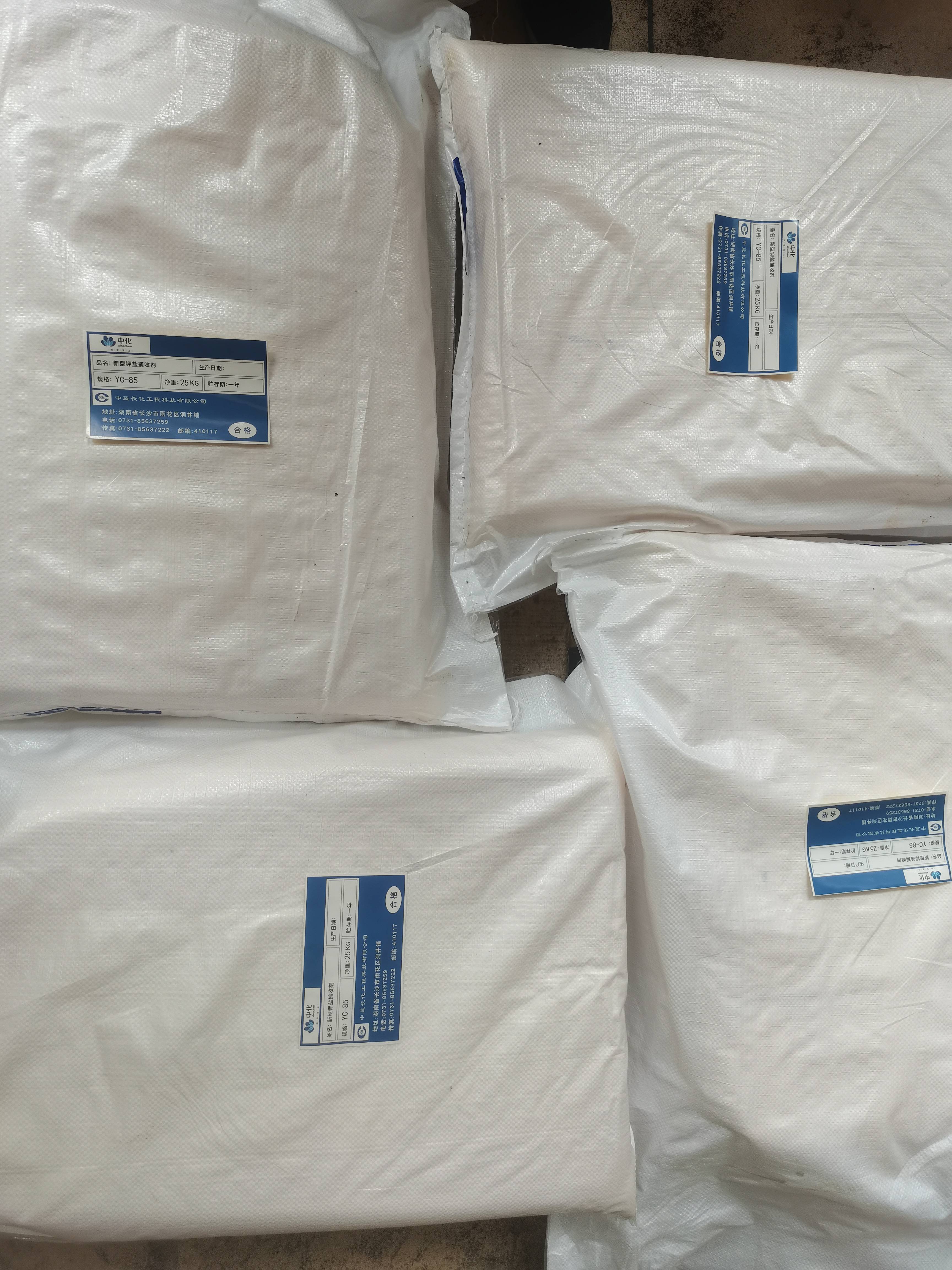
New Environmentally Friendly Green Potassium Salt Collector
Chonfar Engineering and Technology Co., Ltd.
Nitrogen Export, Nitrogen Manufacturer, High-purity Nitrogen Supplier
Foshan Yuexin Industrial Gas Co., Ltd.
Steel Plates for Chemical Pressure Equipment
Gansu JISCO Group Hongxing Iron and Steel Co., Ltd.

Industrial and Commercial Point-Type Gas Detector
Jinan Benan Technology Development Co., Ltd.
Bidirectional Metal Hard Sealed Seawater Butterfly Valve
Henan Quanshun Flow Control Science & Technology Co., Ltd.