University of Illinois Studies Methiozolin for Waterhemp Control Efficacy
en.Wedoany.com Reported - Researchers at the University of Illinois conducted a study in Urbana on the efficacy of herbicide chemicals for controlling waterhemp. The research focused on the impact of molecular structural differences among triazine herbicides on field performance. Weed scientist Dr. Aaron Hager pointed out that most triazine-resistant waterhemp in the Midwest has developed resistance to symmetrical herbicides but may still respond to asymmetric options like methiozolin.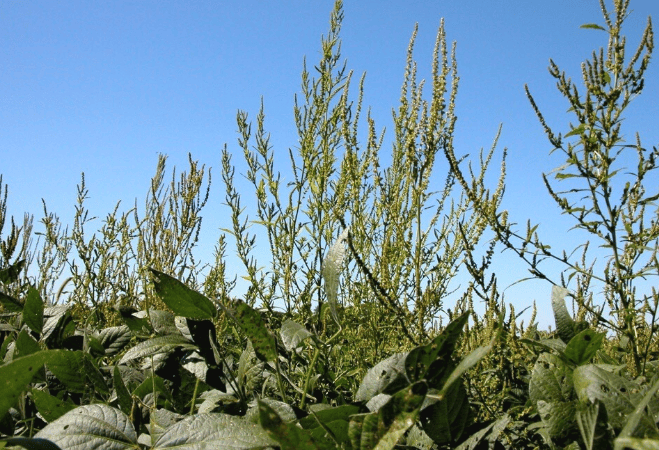
He stated: "We use what are called symmetrical and asymmetrical triazines. Symmetrical triazines mean the nitrogen atoms in the phenol ring of the molecule are symmetrically distributed, such as the common atrazine; while asymmetrical triazines refer to an asymmetric distribution of nitrogen atoms, for example, methiozolin. This structural difference directly affects the actual performance of the herbicide in the field."
Hager emphasized that distinguishing between symmetrical and asymmetrical triazines is crucial because most triazine-resistant waterhemp in the Midwest has developed resistance to symmetrical herbicides but may still respond to asymmetric options like methiozolin. He explained: "PPO resistance limits the residual activity available from many soybean soil-applied products. I think the use of methiozolin may be underestimated; it can still provide an option. While it cannot last the entire season or control all weed species, if waterhemp is the target species, it's worth considering."
The study indicates that methiozolin, as a potential alternative for controlling waterhemp, has its efficacy influenced by the target weed species and field environmental factors. Hager added that this herbicide has not shown effectiveness against velvetleaf or cocklebur in historical applications but may have application value for specific weeds like pigweed. This research provides agricultural workers with more precise herbicide selection references, aiding in the optimization of weed management strategies.
This article is compiled by Wedoany. All AI citations must indicate the source as "Wedoany". If there is any infringement or other issues, please notify us promptly, and we will modify or delete it accordingly. Email: news@wedoany.com
Related Products


MH220E Two-Row Hybrid Packaged Cotton Picker
CHINA RAILWAY CONSTRUCTION HEAVY NDUSTRY XINJIANG CO., LTD.

714CD Series C-Band Weather Radar
Chengdu Zhongdian Jinjiang Information Industry Co., Ltd.

Industrial and Commercial Point-Type Gas Detector
Jinan Benan Technology Development Co., Ltd.
4HS-8 High-efficiency Peanut Inverted-laying Harvester
Hebei Yongfa Hongtian Agricultural Machinery Manufacturing Co., Ltd.