China's First Large Cruise Ship, Adora Magic City, Launches Inaugural Domestic Destination-Free Sea Voyage
en.Wedoany.com Reported - On the afternoon of June 6, China's first large cruise ship, the "Adora Magic City," departed from Shanghai Wusongkou International Cruise Terminal, carrying over 4,000 passengers on its inaugural destination-free sea voyage. This voyage, originating from its home port, cruises entirely in international waters without docking at any specific ports and returns to the original port, marking an expansion of China's cruise tourism products from traditional port sightseeing to a new short-sea vacation format.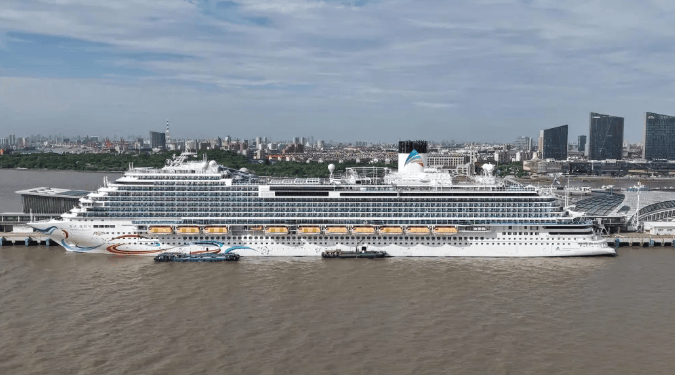
The change in this voyage lies not merely in adding a new cruise route, but in China's large cruise ships beginning to explore more flexible consumption scenarios. Traditional cruise products typically feature overseas port calls, shore excursions, and multi-destination itineraries as core selling points, requiring tourists to arrange longer vacations and navigate processes such as visas, immigration, port call times, and shore excursion coordination. Destination-free sea voyages shift the focus to the cruise ship itself. After boarding in Shanghai, tourists no longer rely on overseas port calls to complete their travel experience; instead, they engage in major consumption activities like entertainment, dining, performances, leisure, shopping, and socializing onboard. For consumers, this type of product is closer to a "sea weekend getaway," with lower time commitment and shorter decision-making cycles, suitable for family trips, younger demographics, senior groups, and local leisure consumption. For cruise operators, this means the cruise ship is no longer just a maritime transport and cross-border tourism tool but can also become an independent, comprehensive sea resort destination. Whether domestic large cruise ships can continuously improve onboard content quality, service organization capabilities, and short-voyage repeat purchase rates will directly impact the vitality of this new destination-free sea voyage format.
Shanghai General Station of Immigration Inspection, Pujiang Immigration Inspection Station, formulated a "one-ship, one-policy" special service plan for this voyage.
This arrangement indicates that the implementation of new cruise formats requires coordinated adaptation among port services, immigration clearance, port operations, and cruise companies. Although destination-free sea voyages do not call at overseas ports, the routes still involve immigration management, personnel inspection, security control, and vessel supervision, and cannot be simply treated as ordinary domestic short trips. Facing the concentrated boarding of over 4,000 passengers, the immigration inspection department ensured smooth and efficient boarding during peak hours by scientifically dividing fast-track and manual channels, categorizing and diverting passenger flow, and assigning personnel to guide document checks and clearance procedures. For the cruise port, the concentrated arrival and departure of a large number of passengers in a short time tests security checks, immigration, baggage handling, transportation connections, waiting areas, and on-site service capabilities. For regulatory authorities, the new format also requires enhancing convenience while relying on intelligent control measures to strengthen risk prediction, ensuring the entire voyage remains controllable. The cruise tourism consumption experience occurs not only onboard but also throughout the entire process of passengers arriving at the port, completing procedures, passing inspections, and boarding. Clearance efficiency and on-site order directly impact tourists' first impressions of the entire product.
The participation of the "Adora Magic City" gives this voyage stronger industrial symbolic significance. As China's first domestically built large cruise ship, it embodies the integration of China's high-end equipment manufacturing, ship assembly, supply chain coordination, ship interior outfitting, operational services, and cultural tourism consumption. Unlike ordinary passenger ships, large domestic cruise ships have high system complexity, involving numerous aspects such as hull structure, power systems, hotel systems, entertainment spaces, fire safety, intelligent management, catering services, and commercial operations, and are considered one of the crown jewels of the shipbuilding industry. The execution of China's first domestic destination-free sea voyage by the "Adora Magic City" means that domestic large cruise ships are transitioning from showcasing manufacturing achievements to richer commercial operation scenarios. Previously, the focus on domestic cruise ships was more on "whether they can be built, operated safely, and undertake international routes." Now, the market is further observing whether they can adapt to diverse consumer demands and continuously innovate around short trips, weekends, themed, youth-oriented, and family-oriented products. Destination-free voyages provide a verification window: tourists no longer divert their attention to onshore attractions, making onboard space, performance content, dining quality, activity organization, and service details the core criteria for product evaluation.
This model will also impact the subsequent development of Shanghai's cruise home port and China's cruise market. Shanghai Wusongkou International Cruise Terminal has long been an important cruise home port in China, with a strong foundation in berthing, clearance, and passenger flow management. If destination-free sea voyages can form stable products, they will help increase home port voyage utilization, enrich product combinations between peak and off-peak seasons, and create more short-cycle operational opportunities for cruise companies. Compared to long-haul cruise products, short-sea voyages are more easily integrated with weekend consumption, holiday economies, urban cultural tourism activities, and themed marketing, and are also more suitable for cultivating first-time cruise passengers. In the future, cruise companies can design different voyages around concerts, parent-child activities, food festivals, sports themes, national trend culture, senior leisure, and corporate team building, transforming domestic large cruise ships from "maritime transport tools" into repeatable consumption maritime cultural tourism spaces.
The launch of China's first destination-free sea voyage provides a new model for the country's cruise industry. It connects China's large cruise ship manufacturing capabilities, Shanghai's international cruise home port service capabilities, immigration inspection convenience management, and residents' leisure consumption demands. Whether this format can sustain development in the future hinges on product pricing, voyage frequency, onboard content, regulatory adaptation, and tourist repeat purchases. As policy dividends continue to be released and port governance models are further optimized, domestic large cruise ships are expected to develop more short-haul, themed, and scenario-based products beyond traditional international routes, opening new growth space for China's cruise market.
This article is compiled by Wedoany. All AI citations must indicate the source as "Wedoany". If there is any infringement or other issues, please notify us promptly, and we will modify or delete it accordingly. Email: news@wedoany.com
Related Products

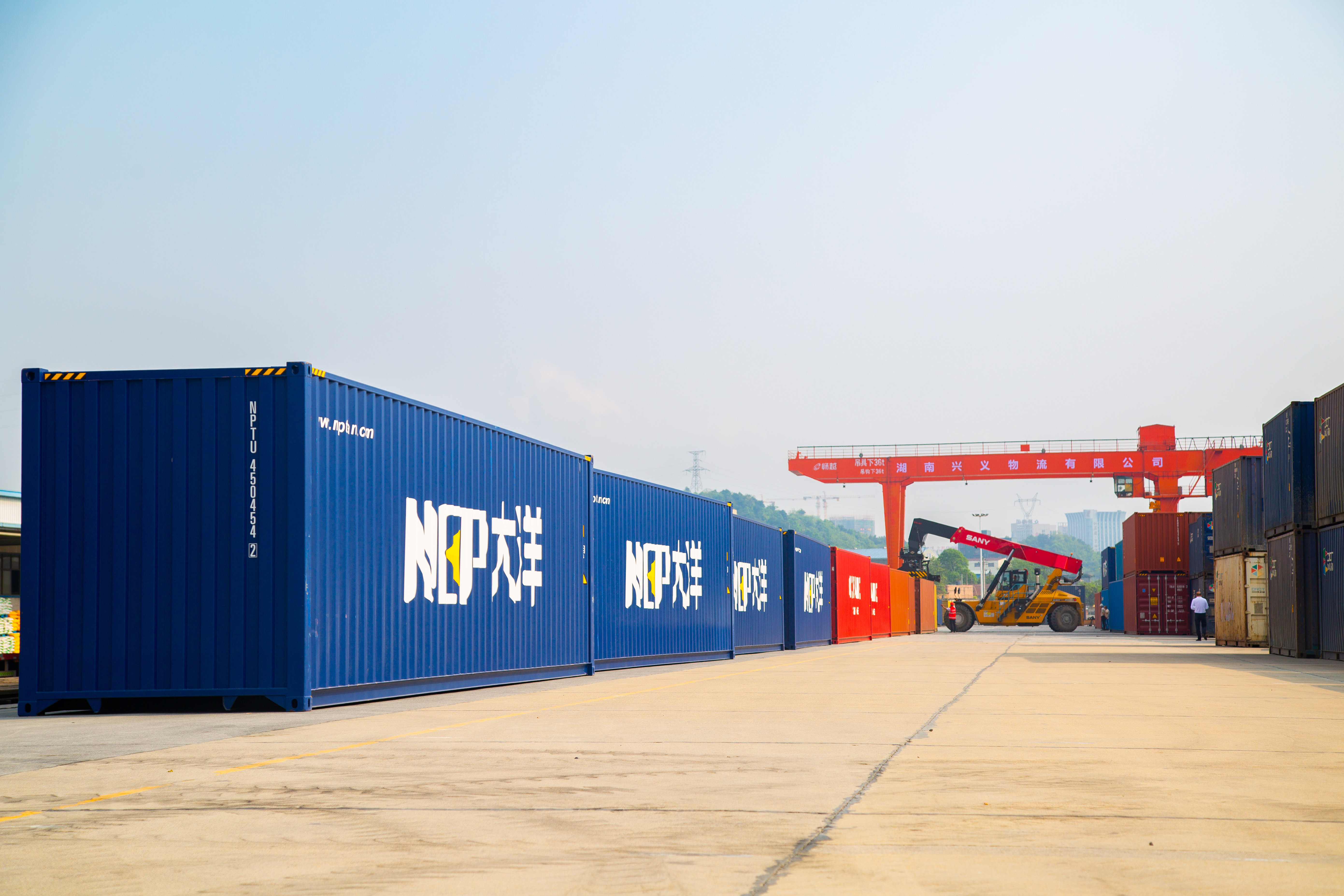
China - Alashankou/Khorgos - Europe Full Range Transportation (Mala/Hamburg/Duisburg/Budapest, etc.)
Shenzhen Neptune Logistics Co., Ltd.
ERW Welded Pipe (Black Pipe and Hot-dip Galvanized Steel Pipe)
Handan Zhengda Steel Pipe Co., Ltd.
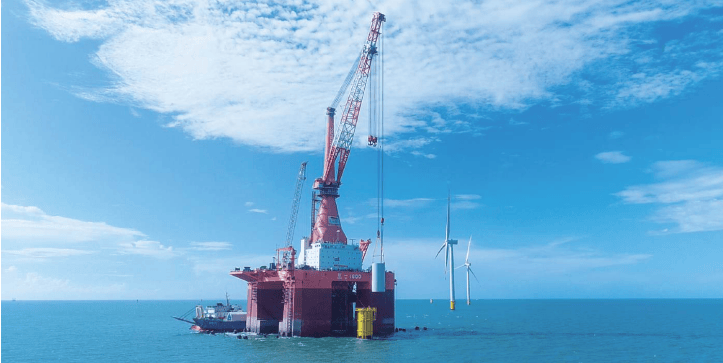
"Shunyi 1600" Deep-submerging Bottom-sitting Multi-functional Wind Power Engineering Vessel
Zhengli Offshore Engineering Co., Ltd.
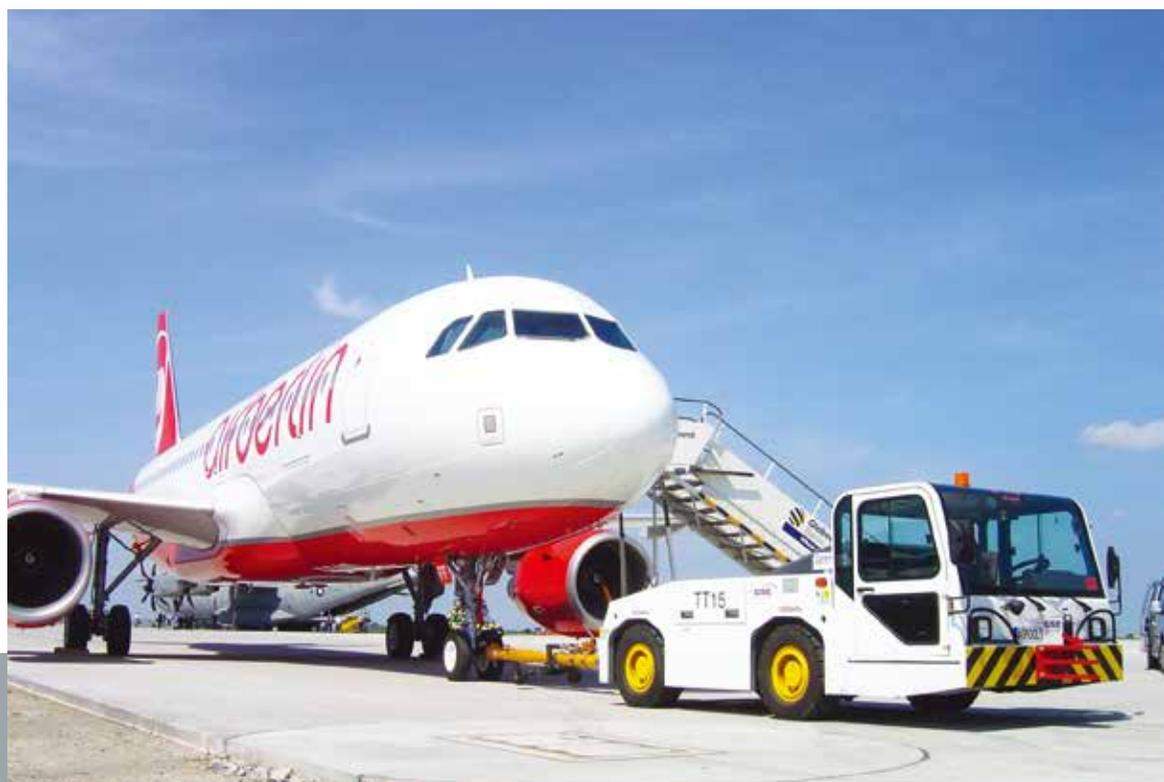
WGQY Series Aircraft Tow Tractor-WGQY15, WGQY27
Weihai Guangtai Airport Equipment Co., Ltd.