en.Wedoany.com Reported - Researchers at the University of Manchester have discovered that microbial communities from terrestrial hot springs are capable of converting industrial carbon dioxide emissions into valuable substances, opening up a new pathway for developing a circular low-carbon economy.
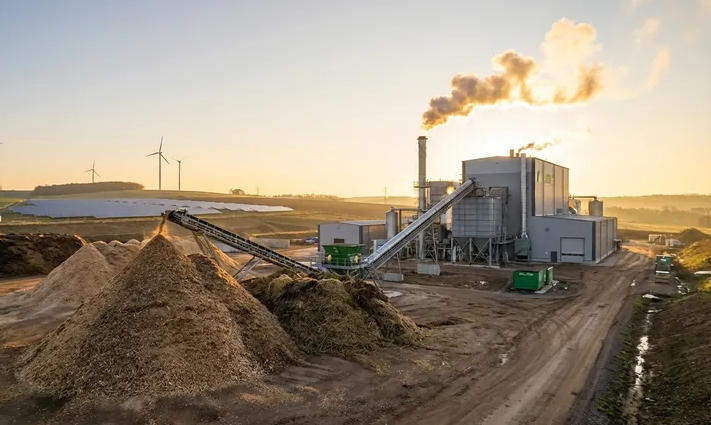
Industrial activities such as steel and cement manufacturing produce large amounts of exhaust gases rich in carbon dioxide. These emissions pose an environmental challenge, but research published in the journal *Environmental Microbiome* suggests they could become an underutilized resource.
The research team observed that microbial communities inhabiting terrestrial hot springs are naturally adapted to high temperatures, high concentrations of carbon dioxide, and complex chemical environments, conditions similar to industrial waste streams. Part of this research was conducted at a hot spring site in Iceland, demonstrating the potential of microorganisms in converting carbon dioxide.
This discovery contributes to exploring more sustainable industrial waste treatment methods, promoting carbon emission reduction and resource recovery. The researchers emphasize that further studies could optimize the efficiency of microbial communities for application in real-world industrial scenarios.
This article is compiled by Wedoany. All AI citations must indicate the source as "Wedoany". If there is any infringement or other issues, please notify us promptly, and we will modify or delete it accordingly. Email: news@wedoany.com