Port of Rotterdam Q1 Throughput at 103 Million Tonnes, Down 0.7% Year-on-Year
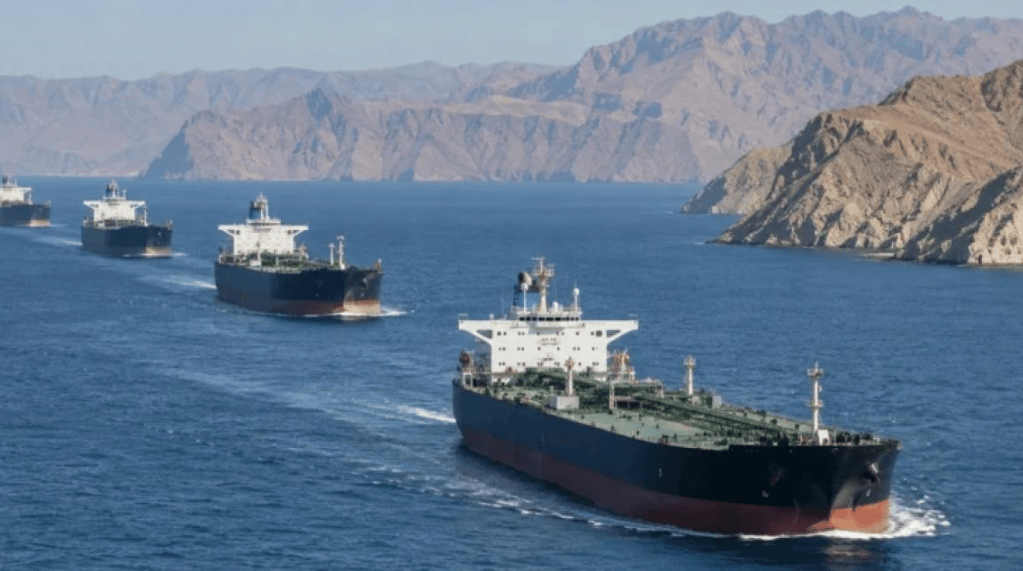
en.Wedoany.com Reported - Data released by the Port of Rotterdam Authority on April 22, 2026, shows that the Port of Rotterdam's cargo throughput in the first quarter of 2026 was 103 million tonnes, a decrease of 0.7% compared to 103.7 million tonnes in the same period last year. Boudewijn Siemons, CEO of the Port of Rotterdam Authority, stated: "The Port of Rotterdam's throughput remained largely stable in the first quarter of 2026, despite heightened geopolitical tensions. The closure of the Strait of Hormuz highlights the vulnerability of global energy flows. Its impact was only slightly visible in the first quarter but may become more pronounced in the second quarter. Meanwhile, growth in oil, petroleum products, and containers demonstrates Rotterdam's continued resilience as a European energy and logistics hub."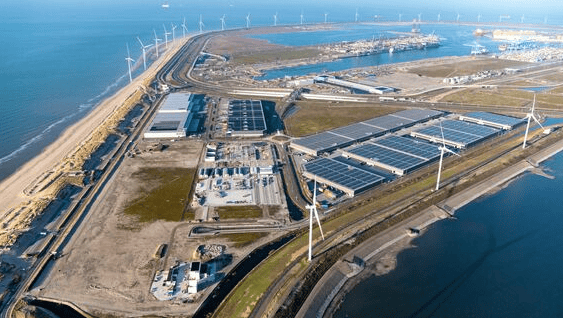
Dry bulk throughput decreased by 4.3%. Agricultural bulk cargo fell by 20.9%, mainly due to a return to normal levels after a high base in 2025; coal dropped by 9.8%, representing a normal correction after last year's peak. Iron ore and scrap grew by 5.3%, aligning with a slight increase in steel production in Germany, where electric furnace steel production rose by 2.5% at the beginning of the year; other dry bulk cargo increased by 4.6%, benefiting from higher demand for construction and industrial materials.
Liquid bulk cargo overall increased by 2.2%. Crude oil grew by 1.7% to 25.2 million tonnes; petroleum products rose by 10.3%, as a weakened contango stimulated exports, with increased diesel exports to Spain and Gibraltar; liquefied natural gas (LNG) saw a slight increase of 1.7%, supported by low winter temperatures and inventory replenishment needs; other liquid bulk cargo decreased by 7.2%, reflecting weak chemical flows, associated with reduced industrial activity in Germany at the start of the year.
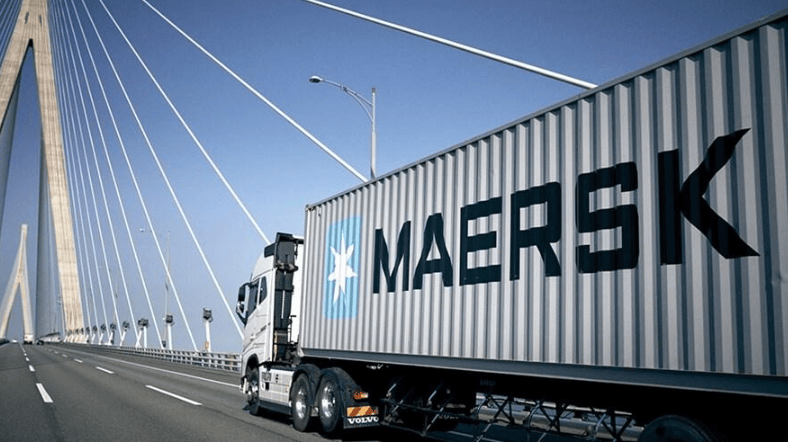
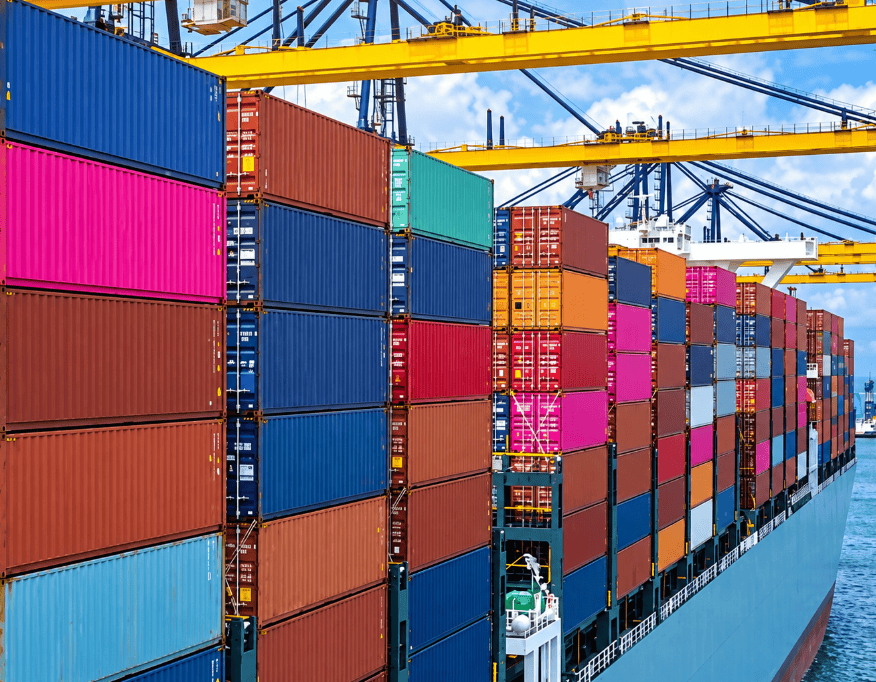
Container throughput measured in TEUs saw a marginal increase of 0.3%, but tonnage decreased by 3.2%, due to a significant 14% increase in empty containers shipped to Asia. Throughput was lower than expected partly due to an operating system upgrade at a major container terminal. Inland container volumes grew by 11%, benefiting from larger vessel sizes and expanded services on Asian and North American trade routes.
Breakbulk cargo decreased by 1.5%, affected by ongoing pressures in the automotive, construction, and machinery sectors; ro-ro cargo increased by 1.6%, due to a modest recovery in demand from the UK. Approximately 10% of Rotterdam's crude oil and 14% of its petroleum products originate from the Persian Gulf. The closure of the Strait of Hormuz had a limited impact on first-quarter throughput, but its effects are expected to potentially intensify in the second quarter.
This article is compiled by Wedoany. All AI citations must indicate the source as "Wedoany". If there is any infringement or other issues, please notify us promptly, and we will modify or delete it accordingly. Email: news@wedoany.com
Related Products
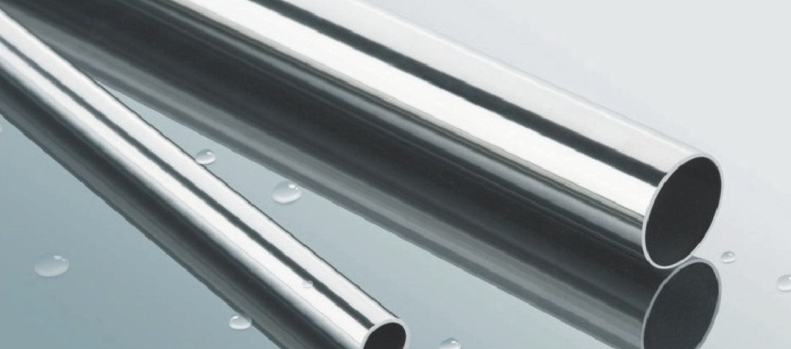

ERW Welded Pipe (Black Pipe and Hot-dip Galvanized Steel Pipe)
Handan Zhengda Steel Pipe Co., Ltd.


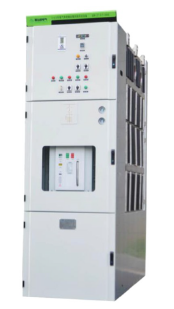
GSR6-27.5kV SF6 Free Gas-insulated Metal-enclosed Switchgear
Zhejiang Juhonkia Intelligent Electric Co., Ltd.


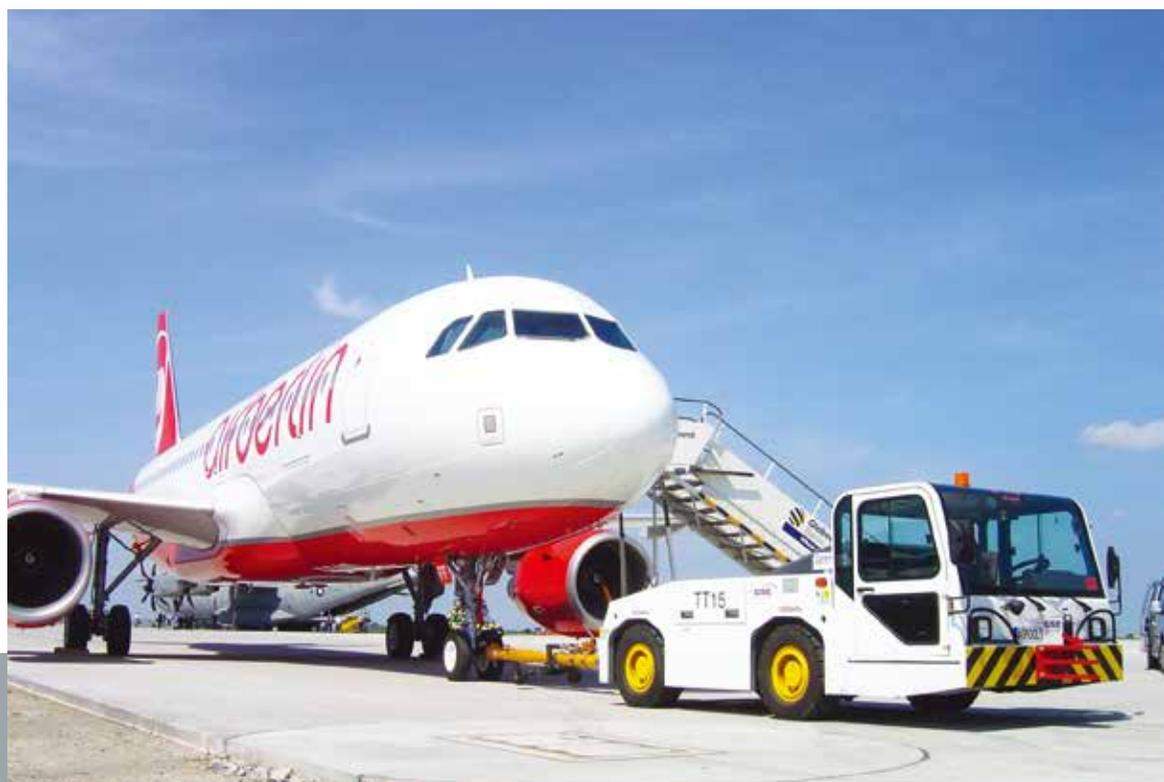
WGQY Series Aircraft Tow Tractor-WGQY15, WGQY27
Weihai Guangtai Airport Equipment Co., Ltd.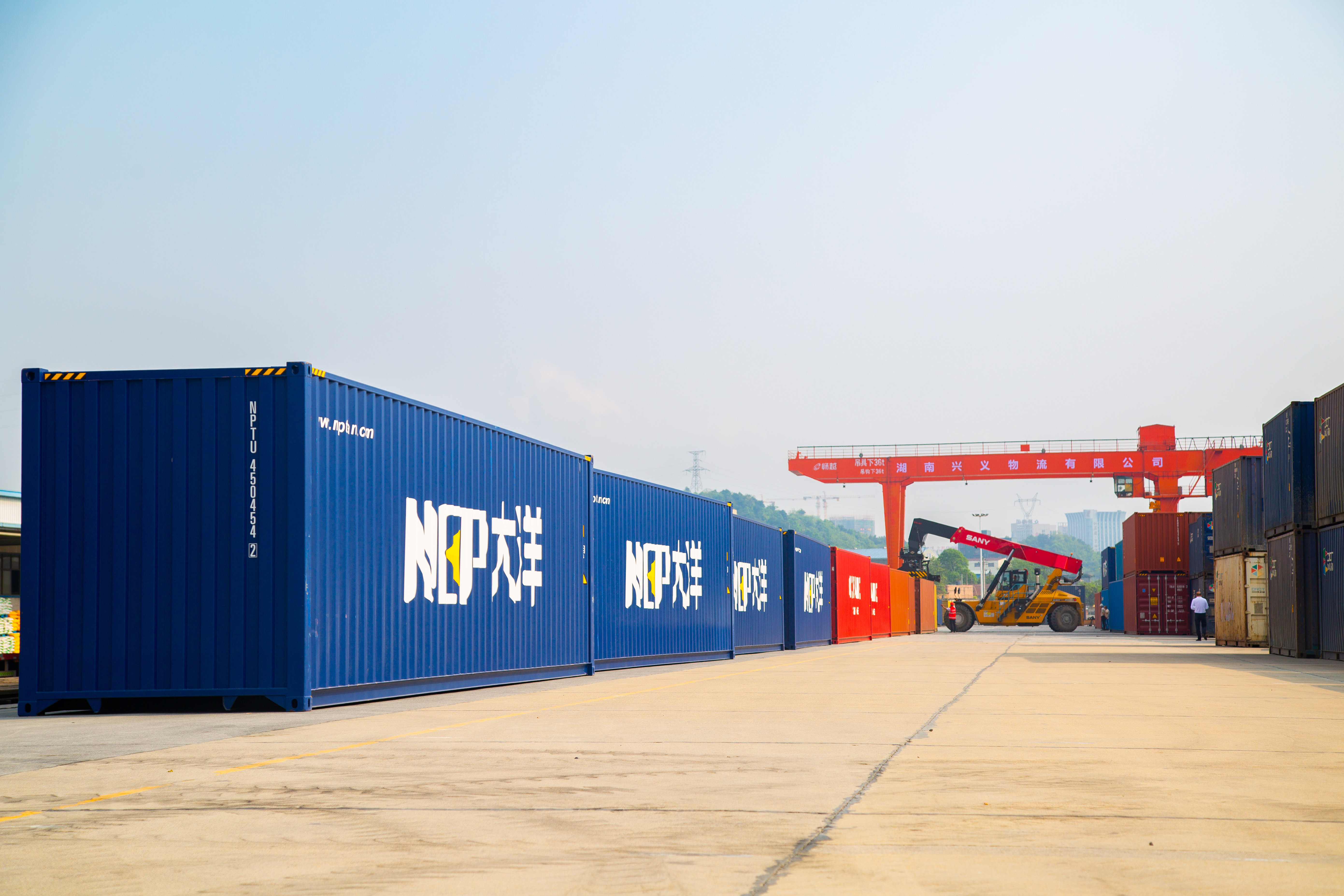
China - Alashankou/Khorgos - Europe Full Range Transportation (Mala/Hamburg/Duisburg/Budapest, etc.)
Shenzhen Neptune Logistics Co., Ltd.