U.S. Aviation Technology Breakthrough: Composite Skin Enables Morphing Wing Design
en.Wedoany.com Reported - Traditional aircraft design typically optimizes performance for the cruise phase, using discrete control surfaces such as flaps to adapt to different flight conditions. Morphing wing technology optimizes the mission profile across all flight phases through continuous geometric changes. Advanced polymers and composite materials are key to achieving this technology, laying the foundation for the next generation of highly efficient aircraft.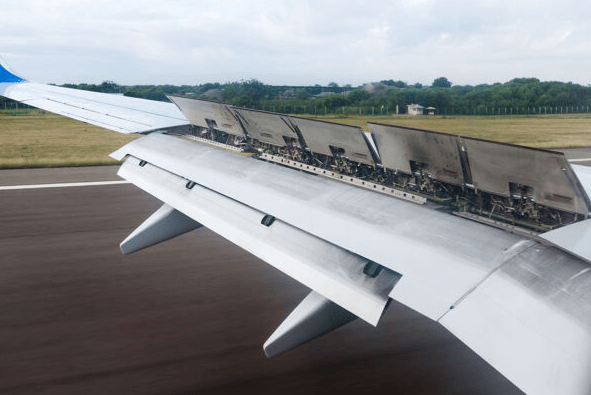
Researchers are leveraging various materials to develop morphing wing structures. Shape memory polymer composites can return to their original shape after thermal or electrical stimulation, making them suitable for variable stiffness skins. Carbon fiber reinforced polymers offer a high strength-to-weight ratio, and engineers utilize their directional properties through aeroelastic tailoring. Polymer nanocomposites can further enhance structural performance. Elastomers such as natural rubber or silicone are used for flexible skins, ensuring the surface remains smooth and continuous under deformation to reduce aerodynamic drag.
Designing morphing wings requires the integration of structure, performance, and sensing. Lattice structures achieve spatial variation of material properties through functional gradients, made possible by additive manufacturing techniques like digital light synthesis. By designing unit cells with locally varying beam dimensions, the wing can remain rigid at the root and flexible at the tip. Bistable laminated composite materials support two stable configurations, reducing energy consumption.
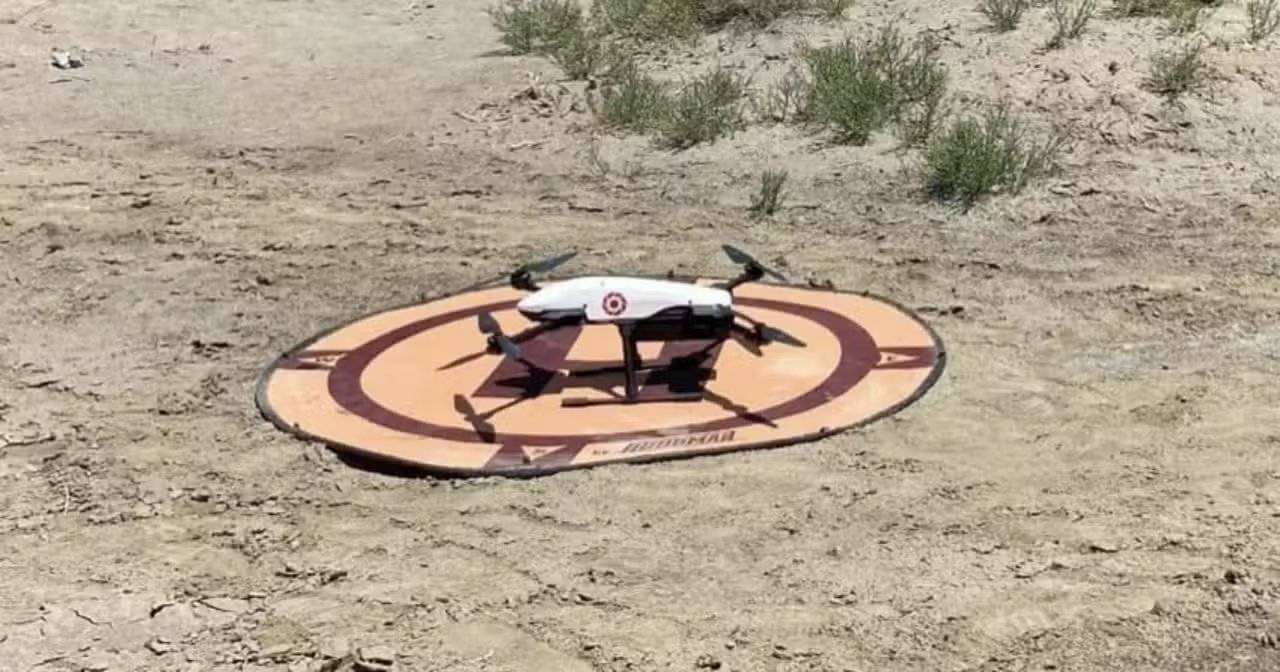
Morphing wings reduce parasitic drag and flow separation by eliminating hinges and gaps. Continuous camber control allows aircraft to adjust the lift coefficient, minimizing drag at different speeds. Studies show that variable-span UAV wings achieve a 23% drag reduction and an improved lift-to-drag ratio. NASA's ACTE project achieved a 30% noise reduction during takeoff and landing phases, attributed to the flexible composite skin eliminating traditional flap gaps.
This article is compiled by Wedoany. All AI citations must indicate the source as "Wedoany". If there is any infringement or other issues, please notify us promptly, and we will modify or delete it accordingly. Email: news@wedoany.com
Related Products


CLW5180TXSD6 Dongfeng Tianjin Washing and Sweeping Truck
ChengLi Special Automobile Co., Ltd.
Wheel and Track Technology Business
Beijing Research & Design Institute of Rubber Industry Co., Ltd.
Explosion-proof lithium battery dispatching monorail crane locomotive (permanent magnet frequency conversion integrated machine)
Xiangtan Hengxin Industrial Co., Ltd.




![IVECO Cash-in-Transit [DMT5048XYCL3-AM] - Chongqing Dima Industry Co., Ltd](https://img.wedoany.com/2026/0911/20260911030157582.png)