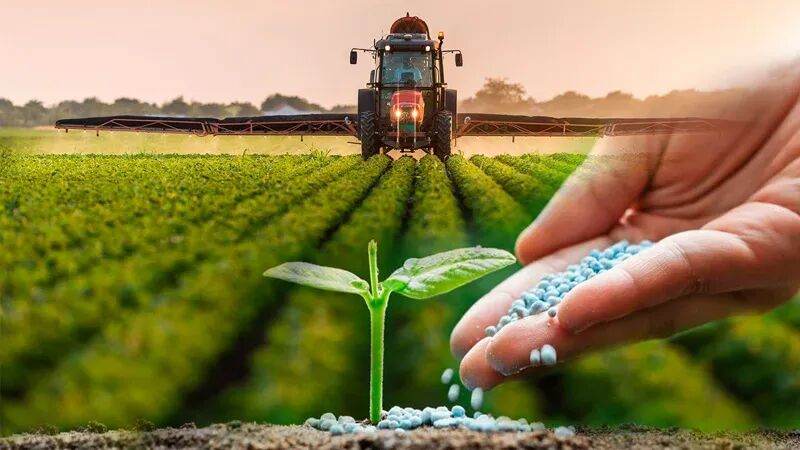
en.Wedoany.com Reported - A California bill aimed at phasing out per- and polyfluoroalkyl substances (PFAS), also known as "forever chemicals," in pesticides has sparked intense debate between public health advocates and agricultural groups. Proposed by Assemblymember Nick Schultz, a Democrat from Burbank, AB 1603 would ban all pesticides with intentionally added PFAS by 2035 and begin phasing out 23 such chemicals by 2030. The bill also prohibits new registrations of PFAS-containing products and requires permits for continued use starting in 2028. Schultz stated that PFAS pesticides are widely used on California crops, citing an analysis by the Environmental Working Group (EWG) which found that over 2.5 million pounds of PFAS are deposited annually on agricultural and urban land, and that nearly 40% of sampled produce statewide contained PFAS pesticides, though regulators have not fully captured the risks.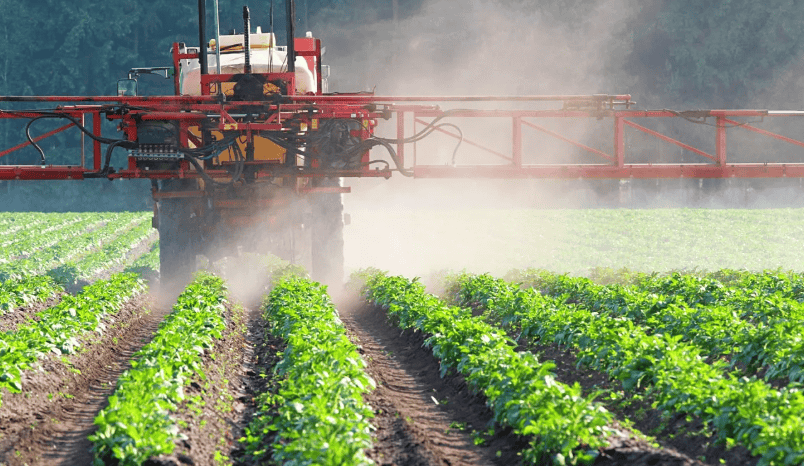
At the hearing, supporters emphasized health and environmental hazards. David Andrews, Chief Scientific Officer at the EWG, stated, "PFAS cause serious health harm, and food is a major source of exposure," but federal assessments have not adequately considered effects on the immune system. He also warned that PFAS pesticides lead to the release of hundreds of thousands of pounds of small molecules into the environment, resulting in high purification costs for drinking water systems. Policy advocate Sakeare Mascall noted that PFAS disproportionately affects Latino agricultural worker communities. However, agricultural opponents cautioned against impulsive bans with serious consequences. Jeff Dawson, an advisor for CropLife America, argued that the bill could impact approximately 1,150 pesticide products, and losing them would have a massive impact on agriculture. Registered representative Tyler Triver said it could lead to reliance on broader-spectrum pesticides, with some pests like the tarnished plant bug in cotton having no post-emergence alternative available, and that the proposed timeline is too rushed, leaving growers without solutions.
The Western Growers Association criticized the EWG for grouping thousands of different PFAS compounds into a single category, arguing that this interpretation is flawed and that not all chemical characteristics pose the same risk; citing state data, they noted that pesticide residue levels are generally very low and fall within standard health safety ranges. Dozens of agricultural groups have expressed opposition, requesting the continuation of existing usage. Consequently, while the limited voting status gradually shifts between committee boundaries, legislators also feel certain issues involve too little time to allow necessary scientific research, alternative development, and the subsequent review and adaptation required for restrictions. Behind the debate, California has been progressively defining broader scope standards for banning PFAS across industries, while the European Union and similarly governed regions like Maine are also advancing analogous reduction actions or encouraging local jurisdictions to consider and understand AB 1603.
This article is compiled by Wedoany. All AI citations must indicate the source as "Wedoany". If there is any infringement or other issues, please notify us promptly, and we will modify or delete it accordingly. Email: news@wedoany.com