Vienna University of Technology Develops Trace Contaminant Detection Technology
en.Wedoany.com Reported - A research team at the Vienna University of Technology has developed an infrared light detection method based on nanomembranes, enabling rapid and sensitive measurement of trace pollutants in the air. Traditional methods require days or weeks to collect samples, while the new technology takes just 15 to 45 minutes. The technique uses an infrared beam to illuminate particles attached to tiny membranes, identifying their chemical composition by analyzing the membrane vibrations induced when particles absorb specific wavelengths of light.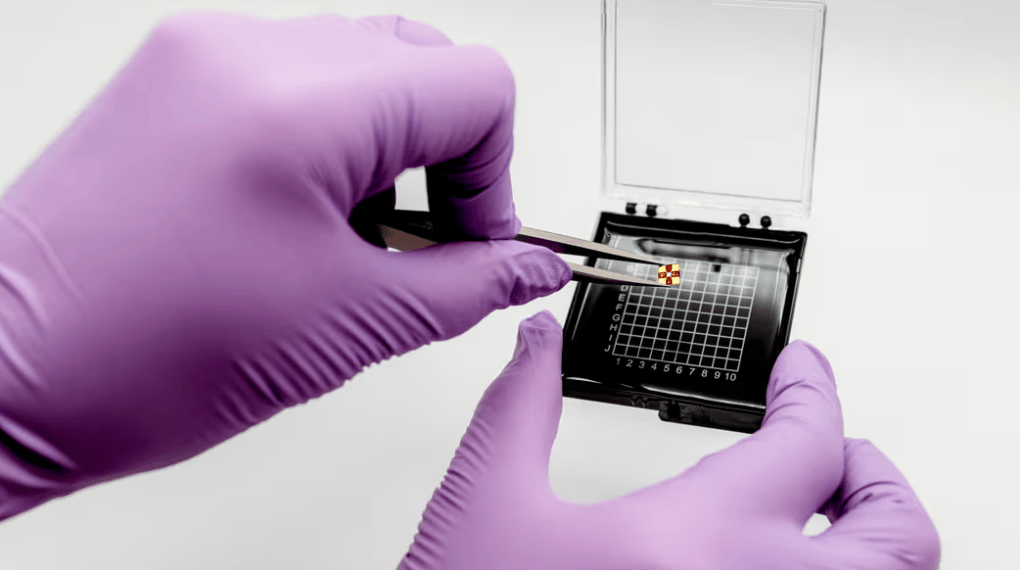
Research team leader Silvan Schmid stated, "In principle, almost any chemical substance can now be detected in trace amounts." The method holds broad application potential in environmental analysis. Professor Julia Schmale from ETH Zurich has already used this technology to study aerosols in the Arctic and Antarctic, aiming to reveal their impact on climate. Portable sensors can be deployed on tethered balloons in polar regions to monitor the vertical distribution of particulate matter.
The technology is also applicable to liquid analysis. The research team successfully detected tea particles and nylon bag residues from just 100 nanoliters of tea water. Schmid said, "We have demonstrated that our method can achieve a significant leap in the field of environmental analysis." The team plans to advance commercialization in collaboration with Invisible-Light Labs, contributing to environmental protection.
This article is compiled by Wedoany. All AI citations must indicate the source as "Wedoany". If there is any infringement or other issues, please notify us promptly, and we will modify or delete it accordingly. Email: news@wedoany.com
Related Products
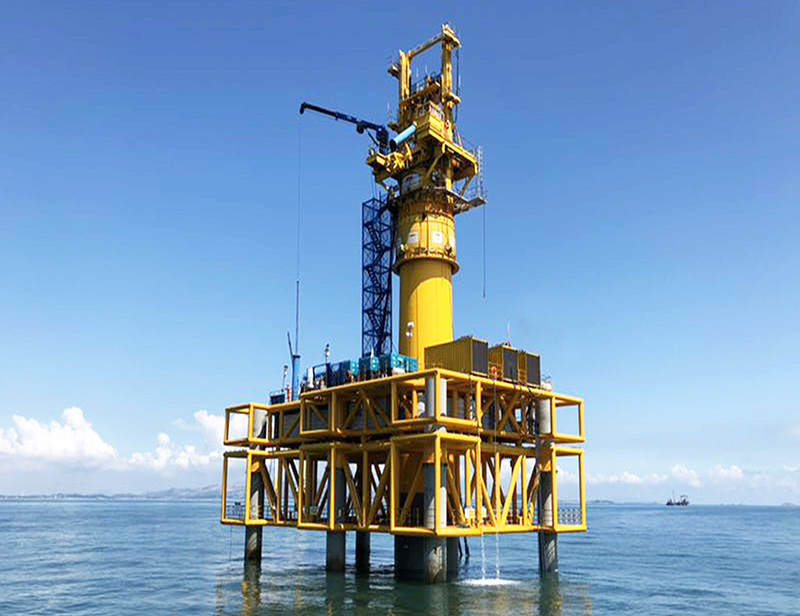

CITIC Heavy Industries Offshore Wind Power Equipment Hydraulic Pile Hammer
CITIC Heavy Industries Co., Ltd.
Hydraulic Turbine Genset
Dongfang Electric Corporation Dongfang Electric Machinery Co., Ltd.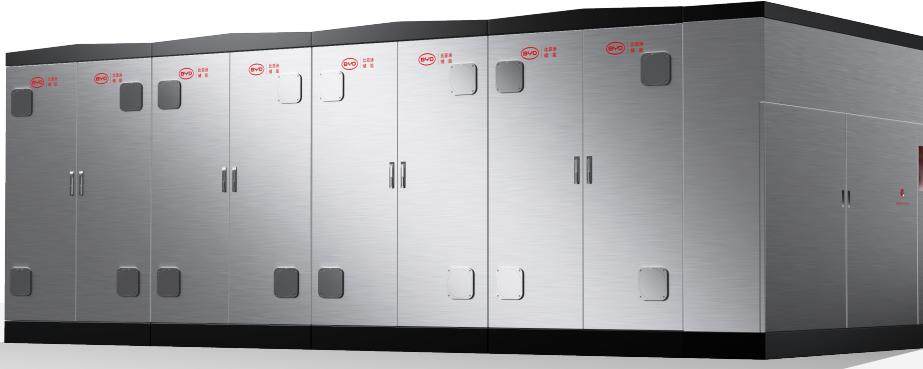

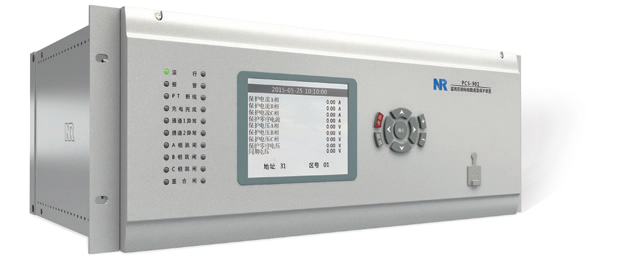
PCS-901 Series Ultra (Extra) High-voltage Transmission Line Complete Protection Device
Nanjing NR Electric Co., Ltd.
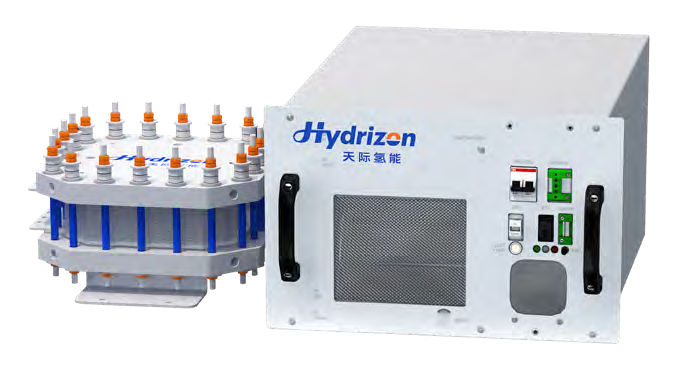
HI-Pro Green Hydrogen High-efficiency Production System-HI-PRO-AEM
Hydrizon Technology (Beijing) Co., Ltd.
Forest and Grassland Heat Source Infrared Monitor
China Huayun Meteorological Technology Group Co., Ltd.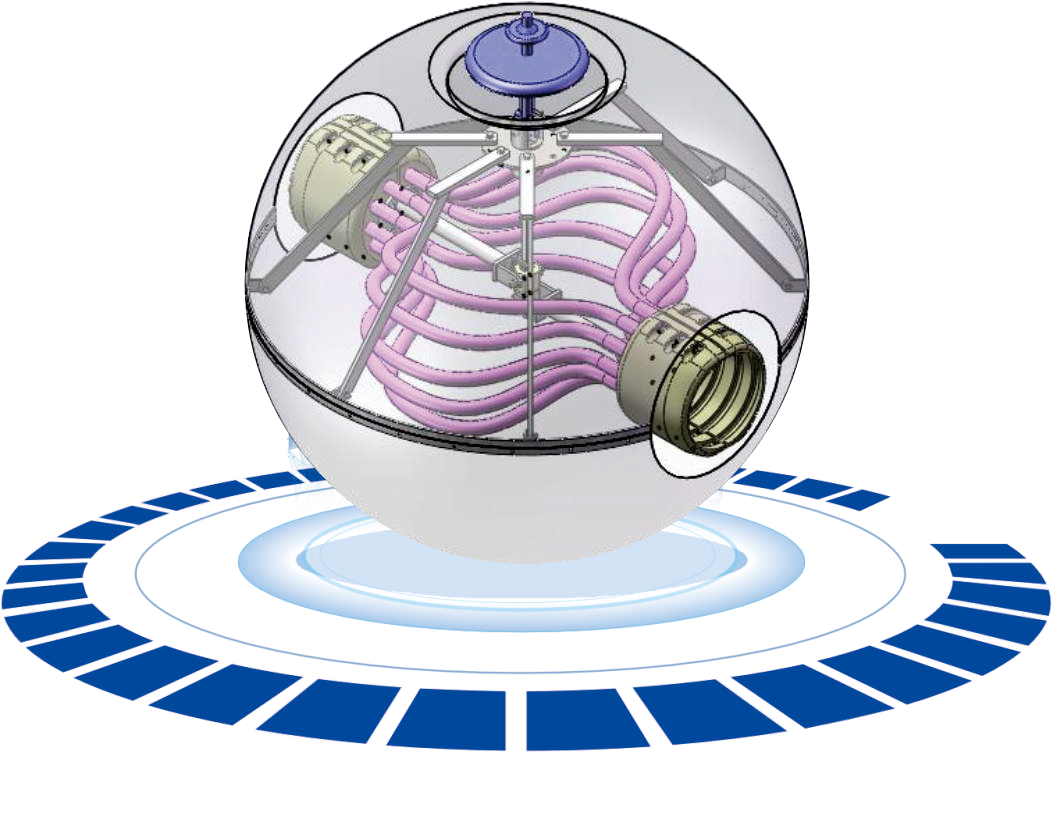
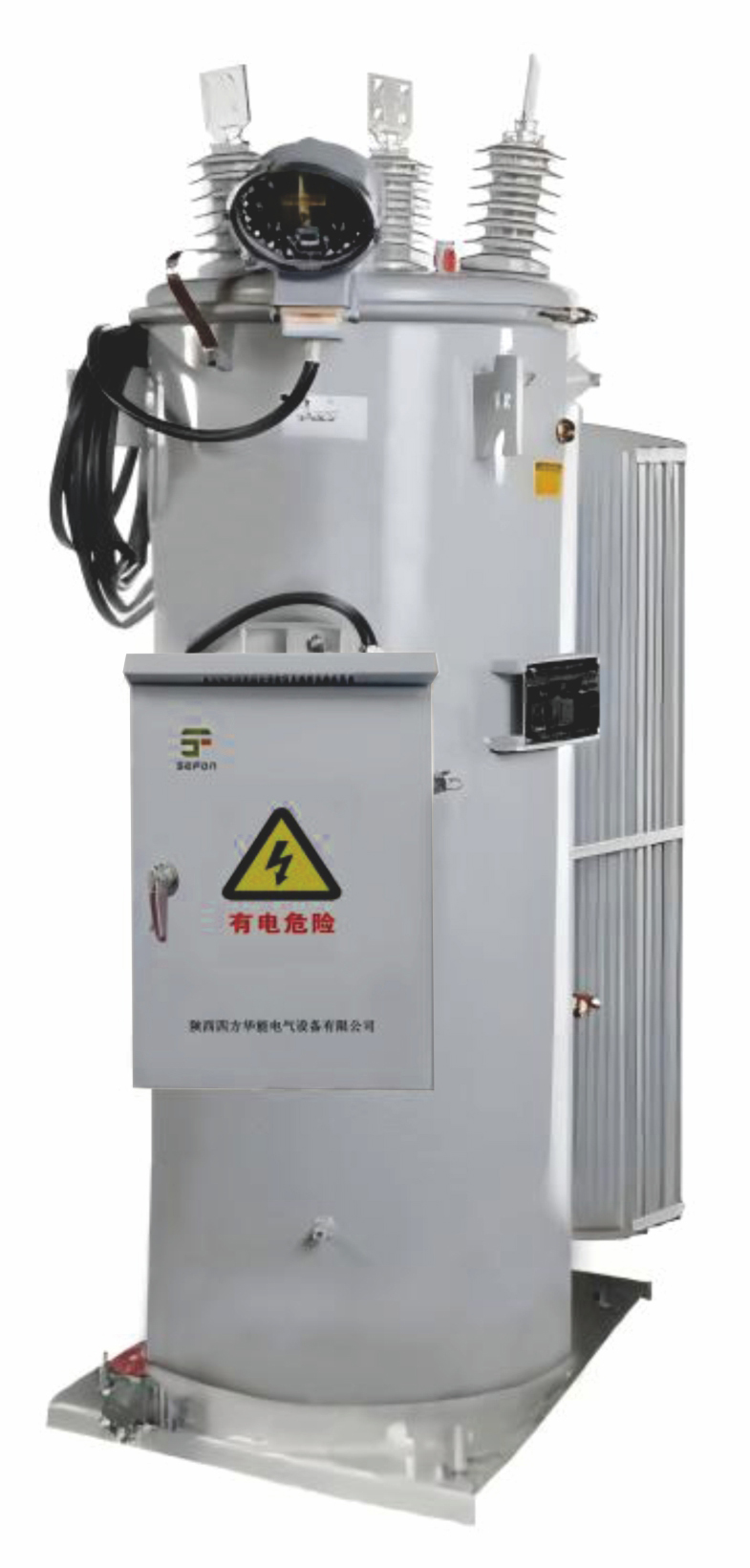
Single-Phase Automatic Voltage Regulator(AVR)
Shaanxi Sefon Electrical Equipment Co.,Ltd.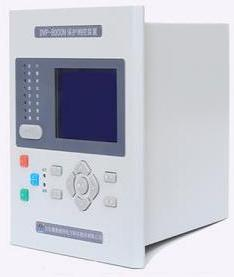
Microcomputer Protection and Substation Automation
Beijing Agent Devote Power Technology Development Co., Ltd.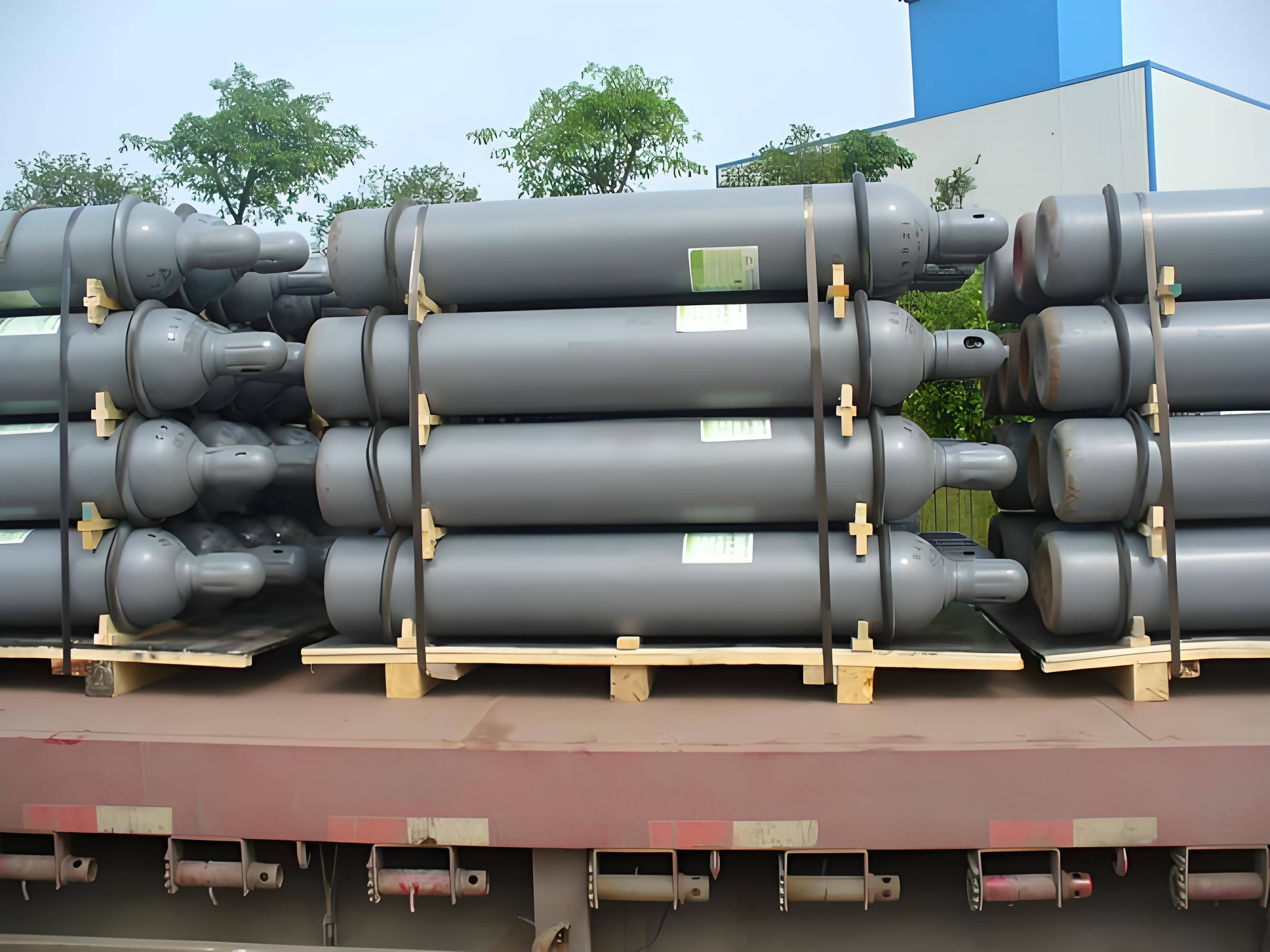
Global Sulfur Hexafluoride Gas Supply and Cylinder Export
Foshan Yuexin Industrial Gas Co., Ltd.