en.Wedoany.com Reported - On April 9, 2026, the Japanese Cabinet approved an amendment to the Waste Management and Public Cleansing Law. The core change upgrades the metal recycling business from a notification system to a licensing system and introduces a new requirement for export confirmation by the Minister of the Environment. The aim is to curb issues such as the illegal outflow of metal resources and fires at scrap yards.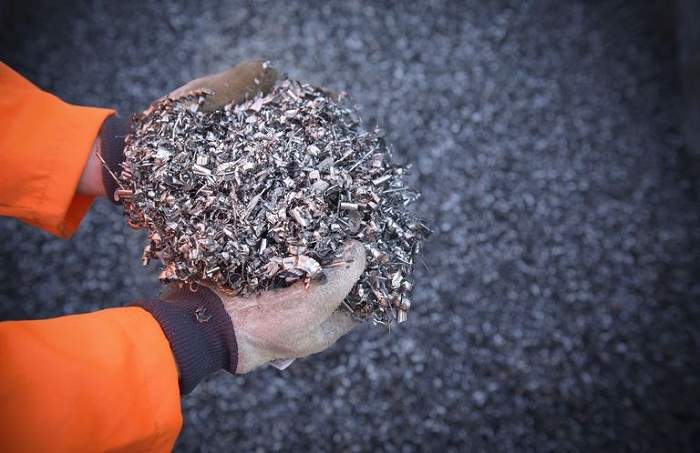
The amendment has been long in the making. Since 2025, Japan's Ministry of the Environment has been soliciting industry opinions on the illegal export of metal-containing waste, such as used lead-acid batteries. In February 2026, the Japan Steel Recycling Industry Association opposed a clause in the draft that would "treat all metal scrap as potentially hazardous substances," arguing that the licensing threshold for metal recycling was too high and could endanger small and medium-sized enterprises. However, the Japanese government pushed the bill forward on the grounds of ensuring economic security, planning to submit it to the Diet for deliberation. It is expected to be implemented in phases within two and a half years after promulgation, with core provisions taking effect first.
Reactions among domestic companies have been mixed. Large recycled metal companies generally support the metal recycling licensing system, believing it can eliminate non-compliant small and medium-sized dismantling plants, reduce cutthroat competition, and stabilize the domestic supply of recycled raw materials. Small and medium-sized recyclers, however, worry that the licensing system's high thresholds regarding site requirements, environmental protection, and capital will put them at risk of closure. Export-dependent traders also believe the export confirmation procedures will extend delivery cycles and increase compliance costs.
This amendment to the Waste Disposal Law represents a significant step in Japan's tightening of resource control. In the short term, it will reshape the domestic metal recycling and export landscape, and in the long term, it will promote the standardization and consolidation of the recycled metal industry.
This article is compiled by Wedoany. All AI citations must indicate the source as "Wedoany". If there is any infringement or other issues, please notify us promptly, and we will modify or delete it accordingly. Email: news@wedoany.com