IBM CEO Krishna Proposes AI Operating Model in Boston
en.Wedoany.com Reported - Arvind Krishna, Chairman and CEO of U.S.-based IBM, delivered the opening keynote at the Think 2026 conference in Boston, Massachusetts, on May 4 local time, stating that enterprises have entered a "Day Zero" window for AI implementation. Artificial intelligence is widening the gap between enterprises, with the key lying in the depth of AI embedding within business processes.
Krishna cited IBM's own transformation data to provide a quantitative reference: by embedding AI and automation across all operational links, the company has achieved $4 billion in productivity gains. Krishna pointed out: "Leading enterprises are not deploying more AI, but redesigning how their business operates." This assessment is viewed by analysts from multiple industry institutions as a clear footnote to the current shift in enterprise AI deployment from tool procurement to business model restructuring.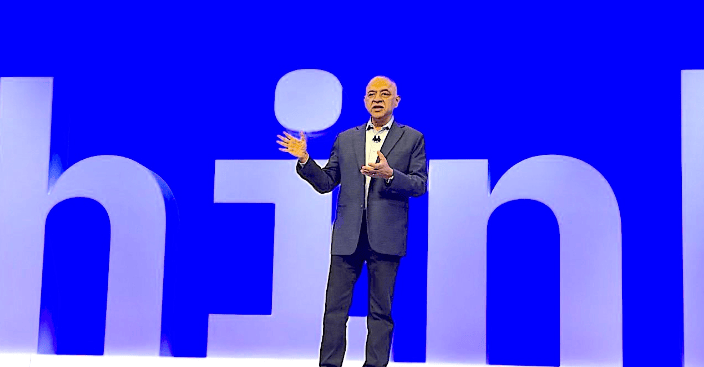
When elaborating on the internal logic behind this conclusion, Krishna revealed a structural contradiction facing enterprise AI: over 70% of enterprise data still resides in on-premises or hybrid cloud environments, while most AI capabilities are built on public clouds. He thus proposed that the next phase of enterprise AI is not about continuing to stack models and computing power, but requires a complete operating model to uniformly govern data, agents, automation, and infrastructure. This is precisely the starting point for the "AI Operating Model" launched by IBM at this conference.
Rob Thomas, Senior Vice President and Chief Commercial Officer for Software at IBM, provided a more specific technical interpretation during the conference, directly pointing to the governance challenges enterprises face in the large-scale deployment phase of agentic AI. That is, the efficiency of a single AI project does not equate to cross-business system governance capability, and many organizations in the market still struggle to embed AI into core business, master data, and operational processes.
To support this operating model, IBM released a series of product and platform updates that day. The flagship product watsonx Orchestrate has evolved from a single-agent execution engine to a multi-agent control hub, entering a non-public preview phase, aiming to provide enterprises with a unified orchestration, governance, and audit layer in a multi-vendor agent environment. IBM Bob, which became generally available at the same time, is positioned as an agentic AI development partner for enterprise development, extending AI-assisted coding from code completion to end-to-end code governance. Additionally, the IBM Concert platform entered public preview, shifting infrastructure management from passive response to proactive execution, using AI to autonomously complete remediation, patching, and other operational tasks, enabling enterprises to operate their distributed infrastructure at a larger scale. In the direction of hybrid cloud and security control, IBM officially released the Sovereign Core software platform, providing a complete technology stack that can be consistently deployed across multi-cloud environments for users with data sovereignty and regulatory compliance needs.
In terms of ecosystem cooperation, IBM and Saudi Aramco announced an exploration of joint innovation cooperation covering AI, agents, automation, and materials science in the industrial sector. In the partner ecosystem dimension, the tax product platform jointly built by IBM and EY has been validated at scale on watsonx Orchestrate and IBM Bob, offering a replicable productization path for the AI transformation of enterprise-level service institutions.
This article is compiled by Wedoany. All AI citations must indicate the source as "Wedoany". If there is any infringement or other issues, please notify us promptly, and we will modify or delete it accordingly. Email: news@wedoany.com
Related Products


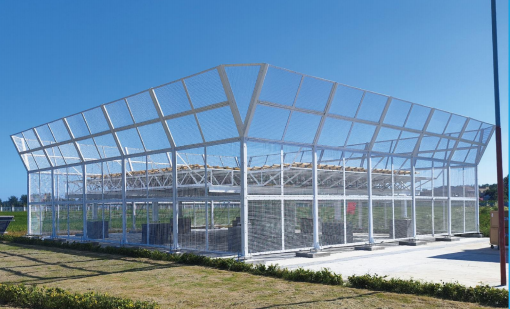
TWP16 P-Band Tropospheric Wind Profile Radar
China Huayun Meteorological Technology Group Co., Ltd.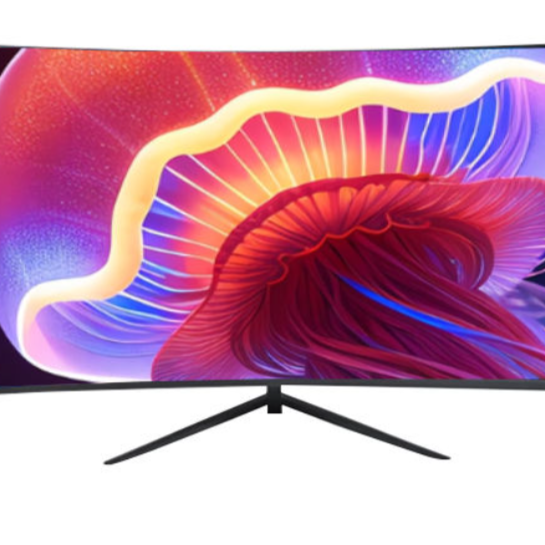
20 Inch 1600*900 Full HD 60Hz TFT LED Monitor with VGA and DP Interfaces for Desktop Computers-Business Use
Guangzhou Zanying Optoelectronics Technology Co., Ltd.
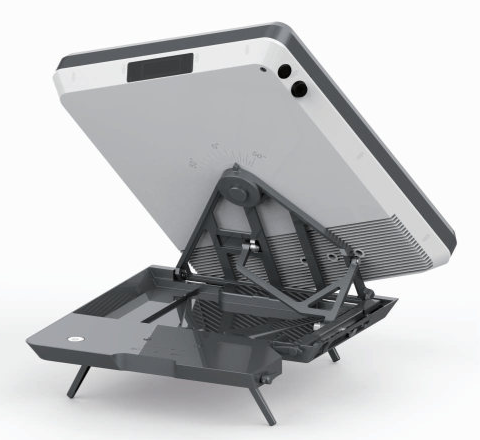
Flat Portable Satellite Terminal 0.35m Aperture Manual Portable Terminal
China Starwin Science & Technology Co., Ltd.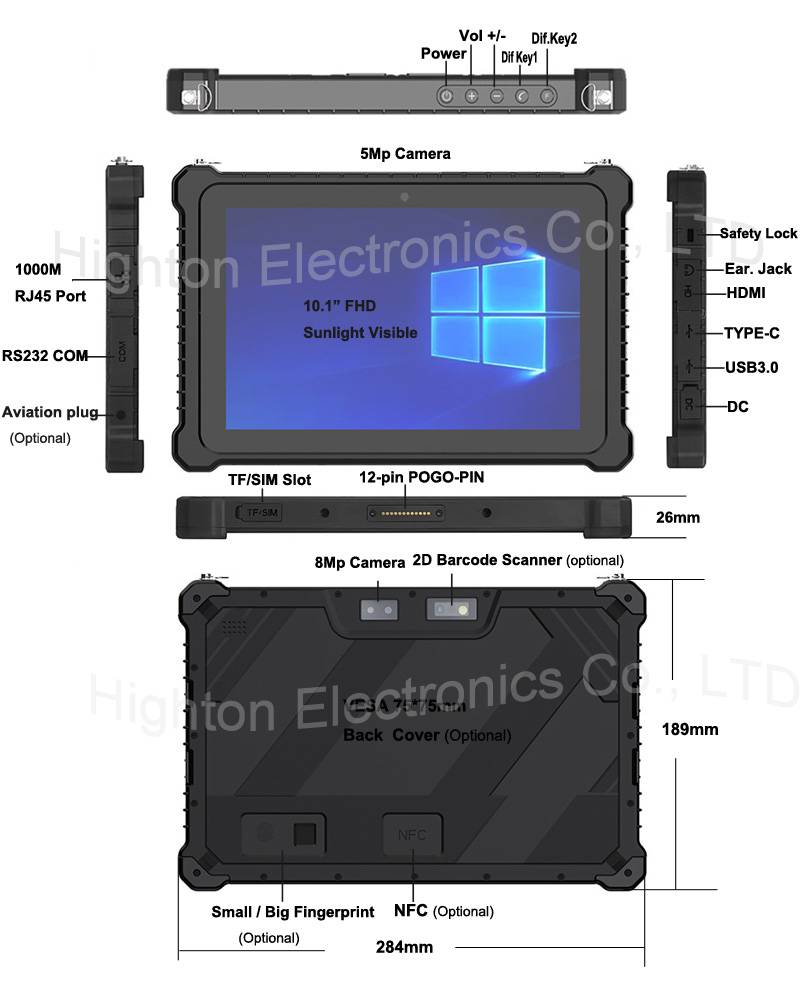
Hot Selling 10 Inch Intel N5100 I5 I7 FHD 8 +128GB 16+256GB Win10 Pro Win11 Pro 4G 5G Rugged Tablet PC Pad with NFC Barcode
Highton Electronics Co., Ltd.