Australia Advances Circular Water Solutions to Upgrade Wastewater Treatment
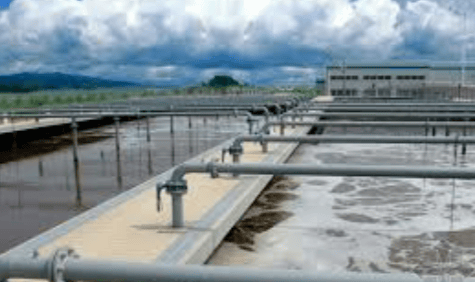
en.Wedoany.com Reported - Driven by intensifying climate pressures, urbanization, and aging infrastructure, wastewater treatment plants across Australia are shifting from linear models to circular water solutions to enhance water reuse, energy efficiency, and long-term resilience. Marwan Baig, Head of Food & Pharma at Alfa Laval Oceania, stated that resource recovery plays a critical role in addressing national resilience issues, but requires more coordinated planning and early stakeholder engagement.
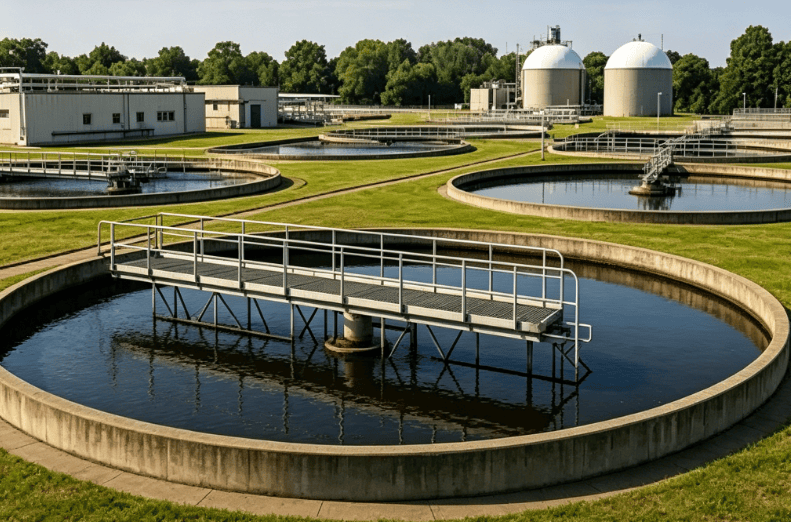
Climate variability poses operational challenges, particularly as changing rainfall patterns affect water quality and volume. Marwan noted that the industry needs to strengthen collaboration to design flexible and resilient systems from the planning stage. Energy costs account for approximately 30% to 40% of operational expenditure at wastewater treatment plants. Asyraf Zamzam, Sales Manager at Alfa Laval Oceania, stated that through high-efficiency equipment and optimization services, utility companies can typically reduce energy consumption by 15% to 30%, while also improving sludge dryness and reducing polymer consumption and disposal costs.
Digital tools are also enhancing resilience, including connected services, real-time monitoring, and predictive maintenance. Asyraf noted that these tools can prevent unplanned downtime, improving uptime and cost control. As Australia accelerates its transition to a circular economy, success depends on combining efficiency, resilience, and resource recovery capabilities at scale, with circular water solutions emerging as a critical pathway.
This article is compiled by Wedoany. All AI citations must indicate the source as "Wedoany". If there is any infringement or other issues, please notify us promptly, and we will modify or delete it accordingly. Email: news@wedoany.com
Related Products
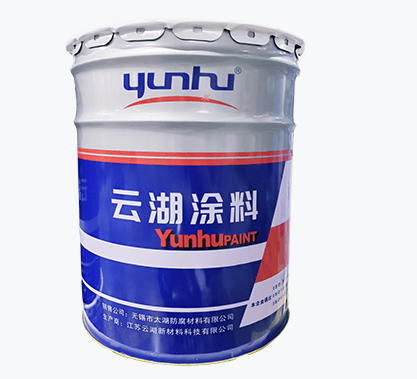

YHTank8400N Solvent-Free Liquid Epoxy Coating
JIANGSU YUNHU NEW MATERIAL TECHNOLOGY CO., LTD.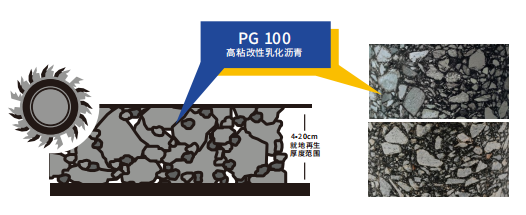
High-toughness in-Situ Cold Recycling Technology for Original Structural Layers
Central Fortune Creation Technology Group Co., Ltd.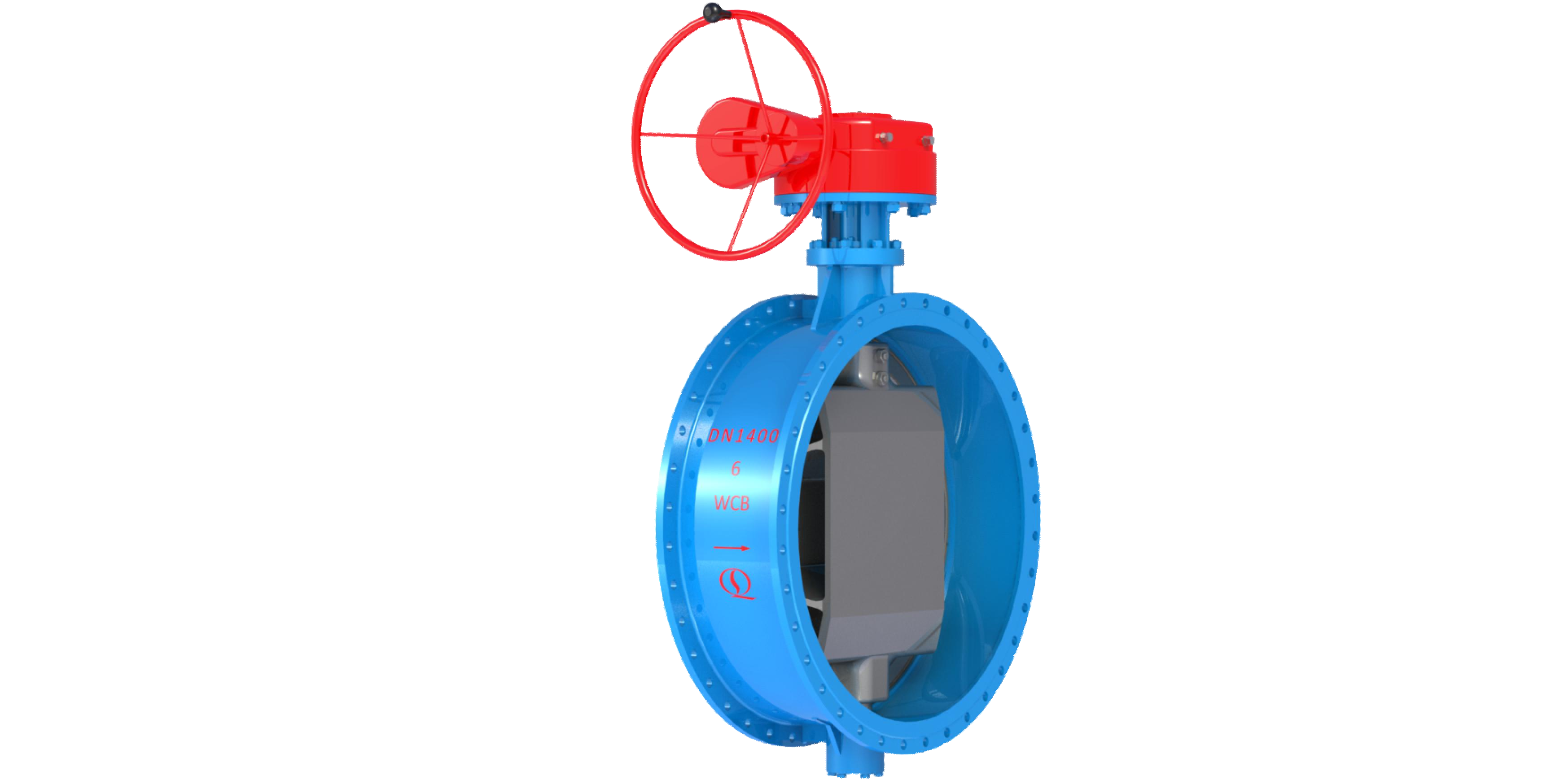
Bidirectional Metal Hard Sealed Seawater Butterfly Valve
Henan Quanshun Flow Control Science & Technology Co., Ltd.
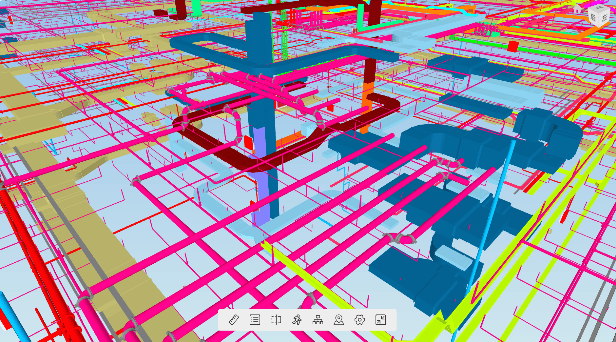
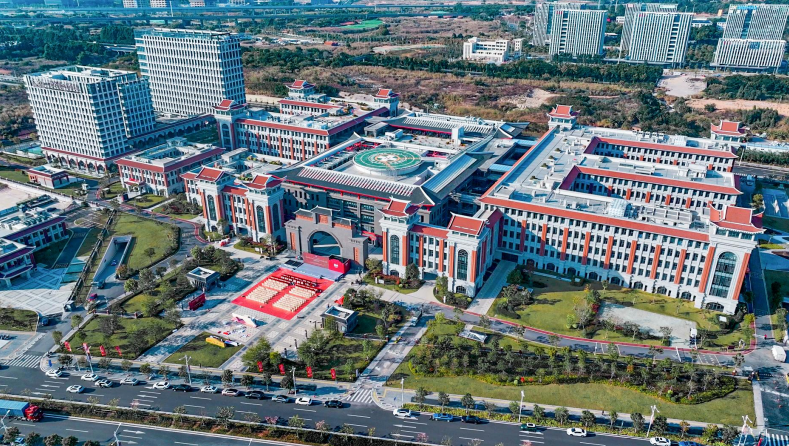
West China Xiamen Hospital of Sichuan University
Wuhan Huakang Century Clean Technology Co., Ltd.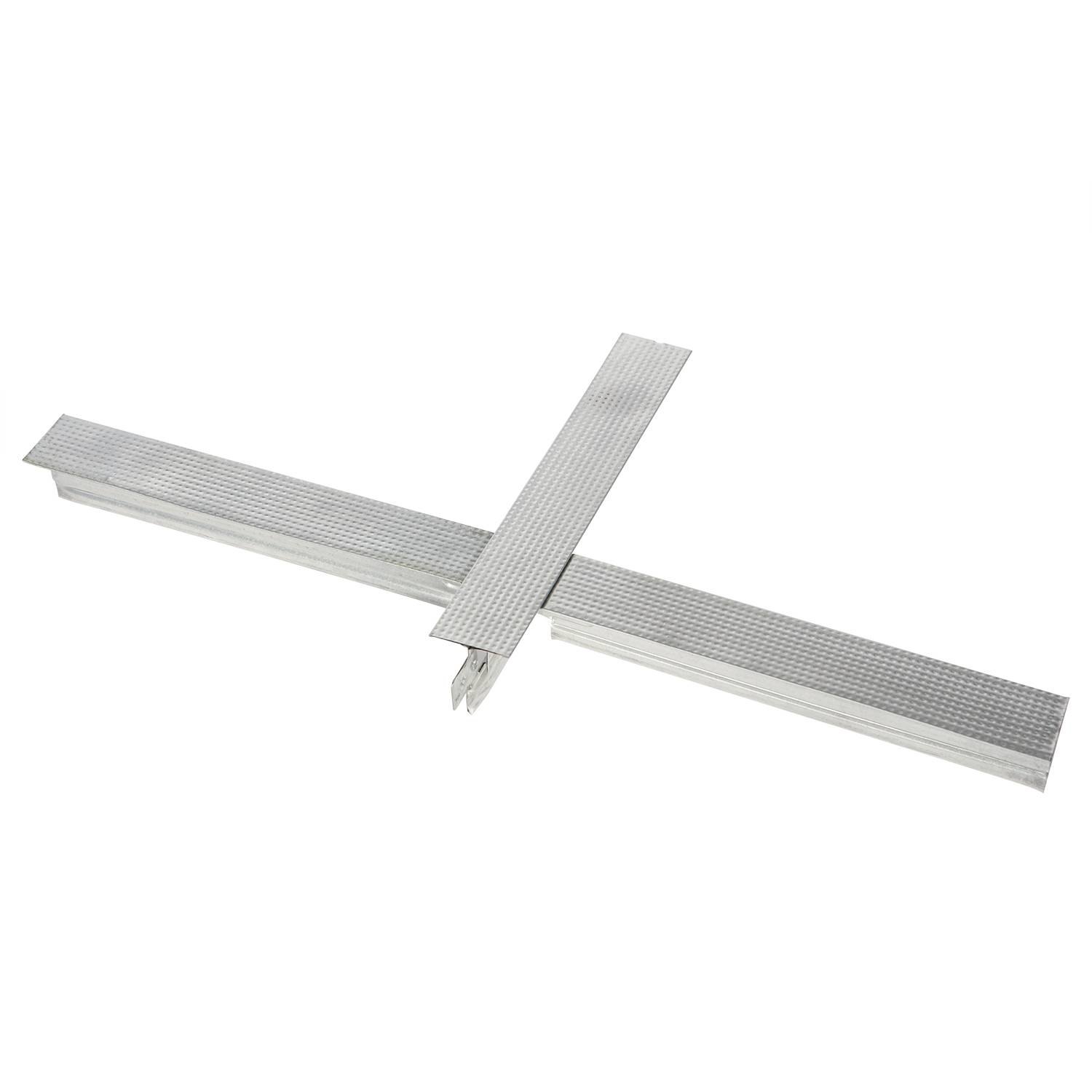

Industrial and Commercial Point-Type Gas Detector
Jinan Benan Technology Development Co., Ltd.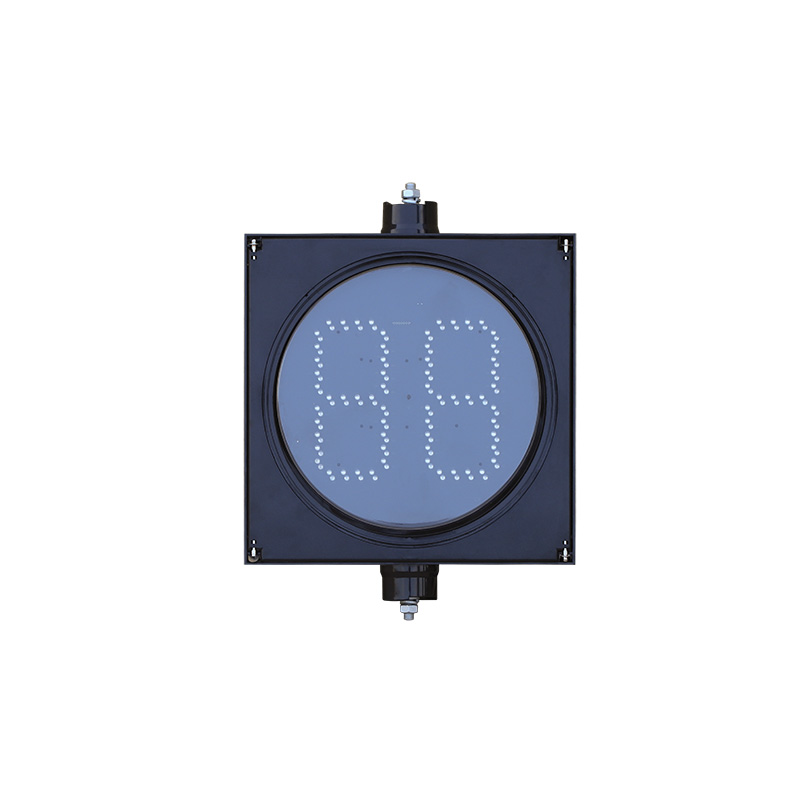
300mm Segment Type Countdown Traffic Light (Core Type)
Yangzhou FAMA Intelligent Equipment Co., Ltd.