US and European 3D Printing Research: Novel Electrodes, Sustainable Steel, and Three-Sided Zippers
en.Wedoany.com Reported - Recently, multiple research teams in the United States and Europe have made new advances in the field of 3D printing, covering areas such as electrode design, sustainable steel, and mechanical fasteners.
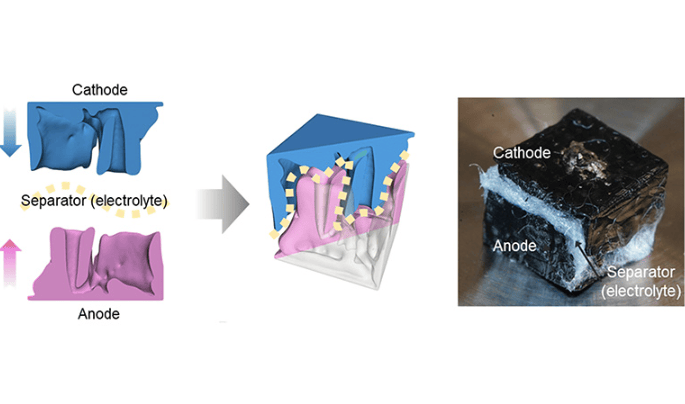
Researchers at Lawrence Livermore National Laboratory have developed a 3D-printed interlocking electrode for electrochemical energy storage. The electrode utilizes a porous graphene oxide base layer and a gold conductive layer, fabricated through a multi-material micro-stereolithography process, significantly enhancing ion and electron transport efficiency. Experiments showed the electrode remained stable over more than 7,500 charge-discharge cycles, outperforming traditional designs. The related findings were published in Materials Horizons.
Metal additive manufacturing company Meltio announced the launch of the SUMMSEED project, aimed at developing sustainable medium-manganese steel for casting and directed energy deposition repair. Funded by the EU's Research Fund for Coal and Steel, the project unites institutions such as Sandvik and Sidenor to reduce carbon emissions by decreasing the use of alloying elements. The project will conduct full-process validation from alloy design to component repair and plans to provide practical guidelines to promote industry adoption.
A team from the Massachusetts Institute of Technology used 3D printing to realize Professor William Freeman's concept of a three-sided zipper. They developed an automated design tool to manufacture Y-shaped zippers via polymer extrusion, which can be used in scenarios requiring rapid assembly or stiffness adjustment, such as tents and medical devices. Tests showed that polylactic acid zippers can withstand heavier loads, while thermoplastic polyurethane versions are more flexible and remained functional after approximately 18,000 open-close cycles. The research was presented at the ACM Conference on Human Factors in Computing Systems.
This article is compiled by Wedoany. All AI citations must indicate the source as "Wedoany". If there is any infringement or other issues, please notify us promptly, and we will modify or delete it accordingly. Email: news@wedoany.com
Related Products
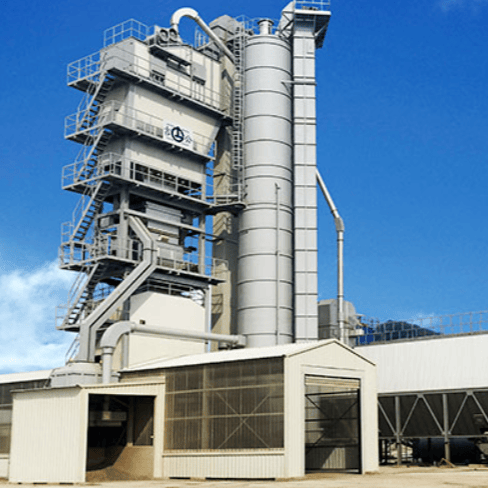

LBH4000 Batch Environmental Protection Asphalt Mixing Plant | Asphalt Batching Plant | Asphalt Mixing Plant
Jilin Province Road Construction Machinery Co., Ltd.

CAP1400 main feedwater flow nozzle flowmeter.
Jiangsu Hongda Instrument Technology Co., LTD.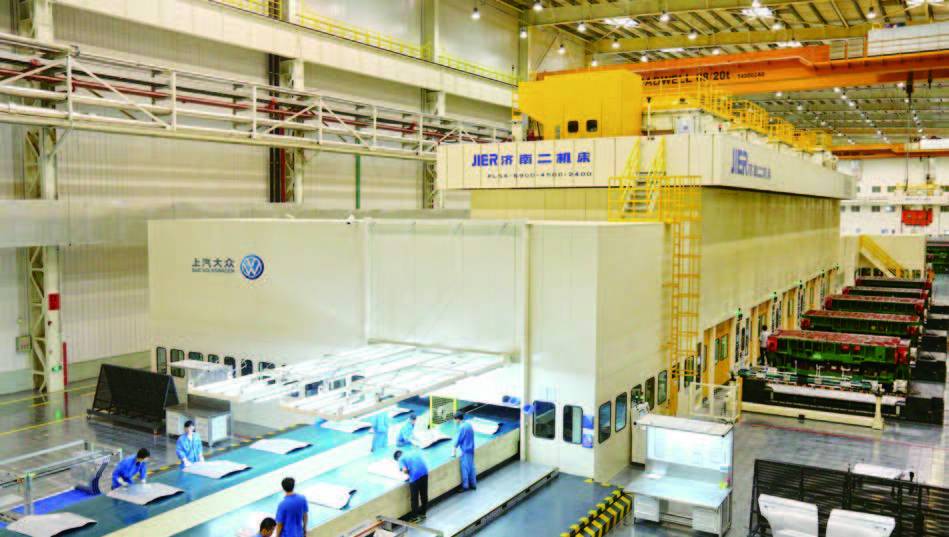
High-Speed Flexible Fully Automatic Stamping Production Line
JIER Machine-Tool Group Co., Ltd.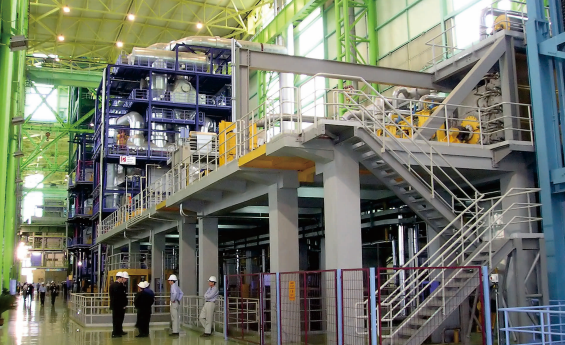
Strip Coating and Plating Production Line Equipment
MCC-SFRE HEAVY INDUSTRY EQUIPMENT CO., LTD.

Pneumatic high-pressure wear-resistant ball valve
Zhejiang Deca Control Valve Meter Co., Ltd.