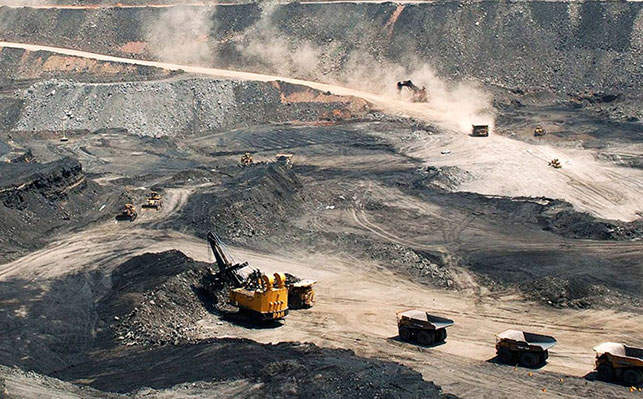
en.Wedoany.com Reported - Canadian iron ore producer Iron Ore Company of Canada (IOC) released its operational report for the first quarter of 2026. Affected by factors such as structural damage to mining truck frames, vehicle turnaround times exceeding plans, and single-truck loading volumes falling short of expectations, IOC's iron ore production declined during the quarter. Data shows that IOC's iron ore production was 3.7 million tonnes, a year-on-year decrease of 14% and a quarter-on-quarter decrease of 4%.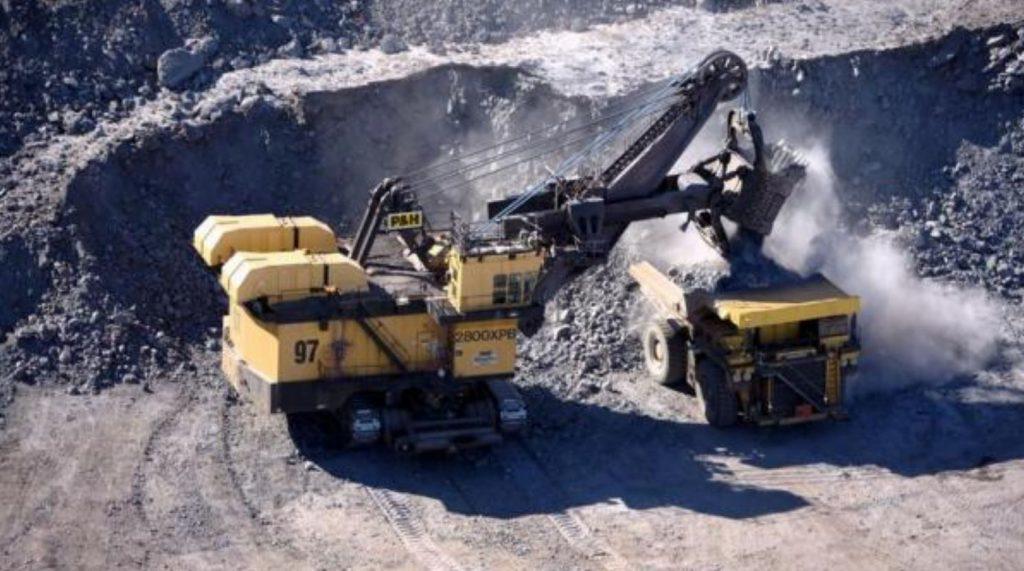
IOC's saleable iron ore production (concentrate and pellets) was 3.4 million tonnes, a year-on-year decrease of 13% and a quarter-on-quarter decrease of 8%. Among this, pellet production was 1.7 million tonnes, a significant year-on-year drop of 26% and a quarter-on-quarter drop of 28%, mainly due to insufficient feed and equipment reliability issues; concentrate production was 1.7 million tonnes, a year-on-year increase of 7% and a quarter-on-quarter increase of 29%, resulting from the diversion of raw materials to the concentrate production line due to pellet production cuts.
In terms of sales volume, IOC's total iron ore sales (concentrate and pellets) were 3.3 million tonnes, a slight year-on-year increase of 1%, but a quarter-on-quarter decrease of 15%, affected by inventory availability and shipping schedule arrangements. Among this, pellet sales volume decreased by 2% year-on-year and 21% quarter-on-quarter; concentrate sales volume increased by 8% year-on-year but decreased by 4% quarter-on-quarter. The company maintains its full-year 2026 iron ore sales volume target of 15 to 18 million tonnes unchanged. Overall, IOC's iron ore business performance in the first quarter was constrained by production bottlenecks, but the full-year target remains unadjusted.
This article is compiled by Wedoany. All AI citations must indicate the source as "Wedoany". If there is any infringement or other issues, please notify us promptly, and we will modify or delete it accordingly. Email: news@wedoany.com