Spanish-French Team Uses X-rays to Reveal Fracture Mechanisms in Additively Manufactured Metals
en.Wedoany.com Reported - A research team from the IMDEA Materials Institute in Spain, Universidad Carlos III de Madrid, and collaborators from France and Japan has published a study in the Journal of the Mechanics and Physics of Solids, detailing the behavior of microscopic pores in additively manufactured metals under extreme dynamic loading.
The study focused on AlSi10Mg and Ti-6Al-4V, two alloys commonly used in laser powder bed fusion that are prone to microscopic porosity. In the experiments, samples were impacted at a velocity of 750 meters per second at the European Synchrotron Radiation Facility in France, and their internal response was recorded using nanosecond-resolution X-ray phase-contrast imaging.

The imaging captured a consistent failure sequence: shock waves caused pore collapse, tensile stress waves led to pore re-opening and growth, and finally, void coalescence resulted in spallation. Despite differences in fracture morphology between AlSi10Mg and Ti-6Al-4V, both were governed by the same void growth mechanism.
"This method allows us to directly observe the formation and evolution of damage in additively manufactured metals under extreme loading," said Dr. Federico Sket, Senior Researcher at IMDEA Materials Institute. Professor José A. Rodríguez Martínez of UC3M stated: "For the first time, we have linked the microscale conditions to the macroscopic signals from impact experiments." Dr. Javier García Molleja, Researcher at IMDEA Materials Institute, noted: "This paper provides new insights into the dynamic tensile fracture of 3D-printed metals and establishes a systematic protocol for studying pore collapse and spallation under impact."
The research team proposes extending the experimental framework to other aluminum and titanium alloys, as well as lightweight printed metals such as magnesium.
This article is compiled by Wedoany. All AI citations must indicate the source as "Wedoany". If there is any infringement or other issues, please notify us promptly, and we will modify or delete it accordingly. Email: news@wedoany.com
Related Products


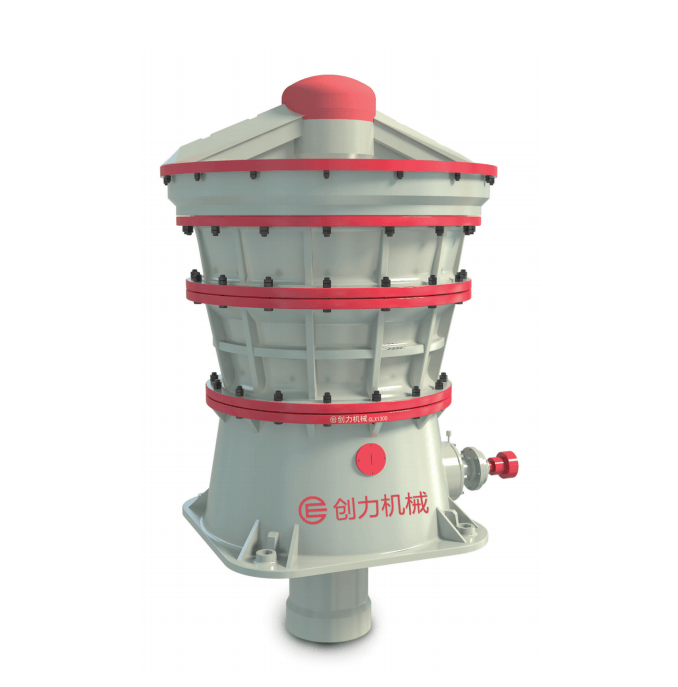
CLX Series Intelligent Hydraulic Gyratory Crusher
Guangdong CHUANGLI intelligent machinery Equipment Co., LTD
Industrial and Commercial Point-Type Gas Detector
Jinan Benan Technology Development Co., Ltd.
Pneumatic high-pressure wear-resistant ball valve
Zhejiang Deca Control Valve Meter Co., Ltd.

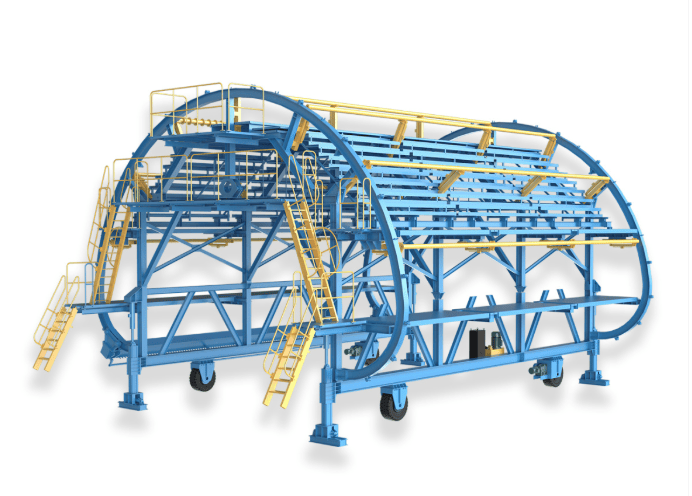
QLZNGJ Intelligent Steel Reinforcement Trolley
Luoyang China Railway Qiangli Machinery Co., Ltd.

CAP1400 main feedwater flow nozzle flowmeter.
Jiangsu Hongda Instrument Technology Co., LTD.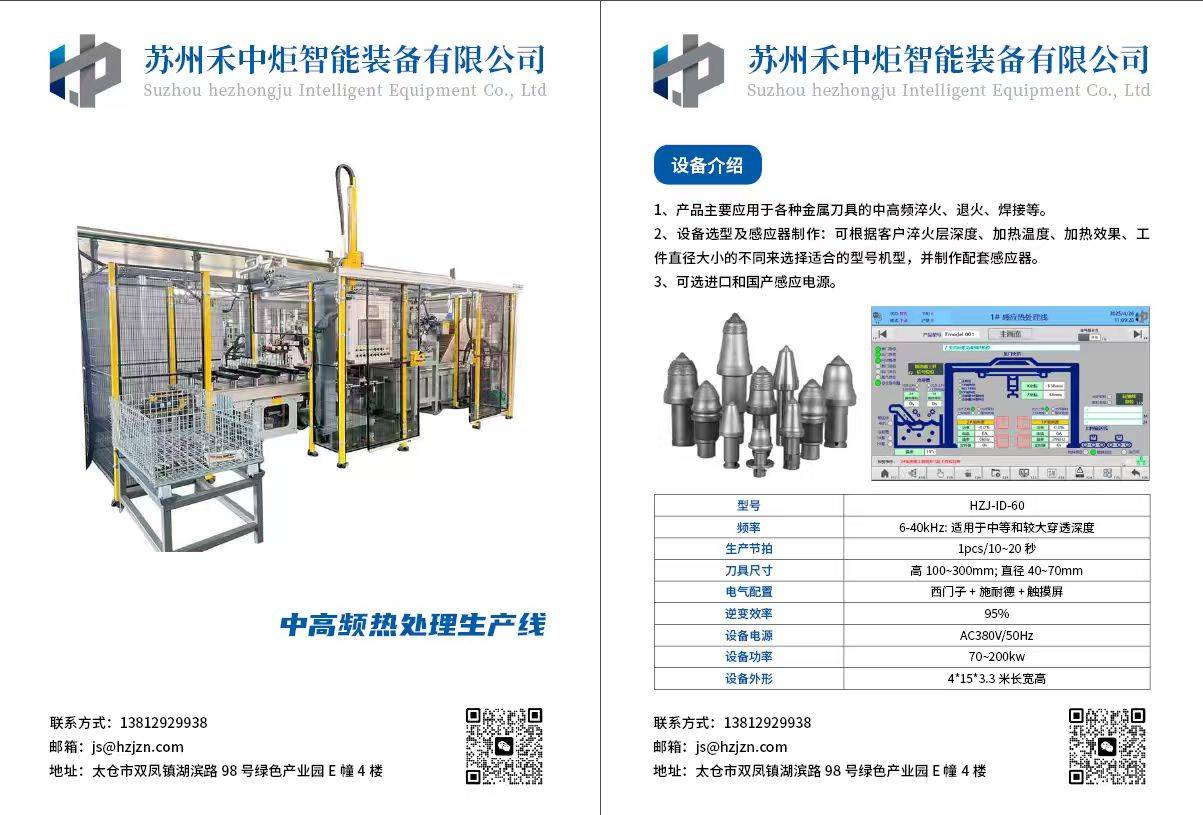
Excavator Bucket Teeth Heat Treatment Production Line
Suzhou Hezhongju Intelligent Equipment Co., Ltd.