Hormuz Crisis Inverts Tanker Asset Pricing: Five-Year-Old VLCCs Command Higher Prices Than Newbuilds
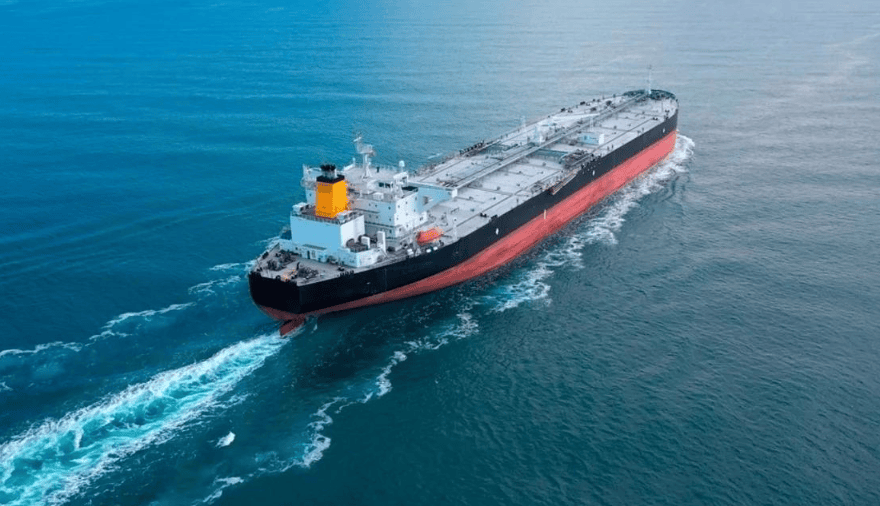
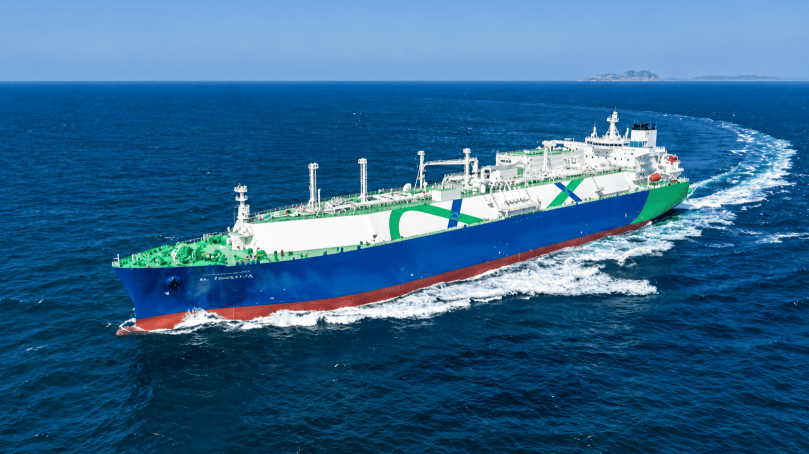
en.Wedoany.com Reported - The situation in the Strait of Hormuz has completely disrupted the age depreciation curve in the tanker market. According to the latest "Tanker Market Monitor" report released by Signal Ocean, the transaction price of a five-year-old Very Large Crude Carrier (VLCC) has exceeded the contract price for a newbuilding at a South Korean shipyard by $9 million, inverting the conventional logic of asset pricing.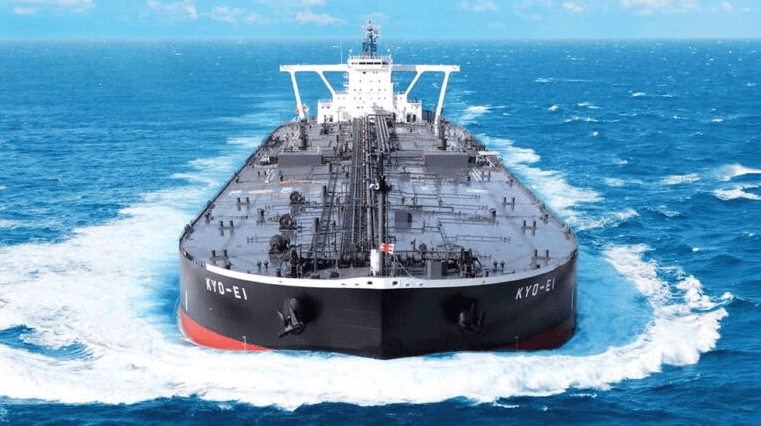
The report shows this inversion phenomenon has now appeared across all major crude oil tanker segments. Suezmax tankers are seeing complete parity between old and new tonnage, while Aframax tankers are also experiencing price inversion. In the resale market, the distortion is even more pronounced: buyers are willing to pay a premium of 21% to 35% over the newbuilding price just to obtain a vessel immediately, with the VLCC resale premium reaching $45.5 million relative to the newbuilding contract price. Signal Ocean noted: "Under normal circumstances, resale vessels command a modest premium for saving waiting time, while five-year-old vessels should trade at a significant discount to newbuildings. Today, neither of these statements holds true."
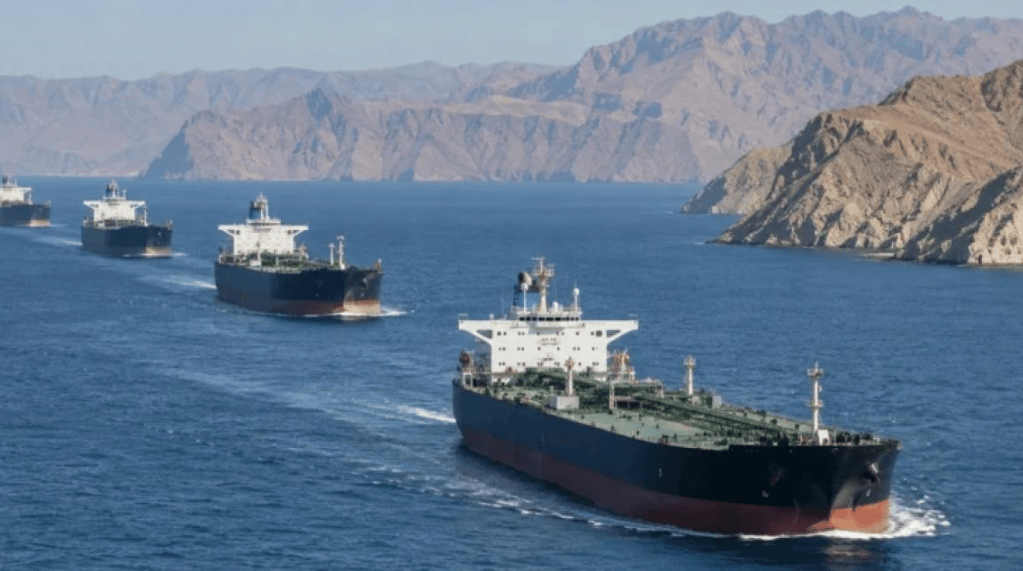
This dynamic reflects a fundamental restructuring of the tanker market after the Strait of Hormuz has been closed for over 60 days. With transits through the strait down more than 95% compared to pre-conflict levels, the entire logic of vessel deployment has been rewritten. Owners willing to commit capacity to Atlantic Basin routes are capturing substantial premiums, while buyers who cannot wait 18 to 24 months for newbuilding deliveries are paying whatever it takes to secure currently available tonnage.
In the freight market, rates remain at historically high levels. Norwegian broker Fearnleys noted this week that VLCC daily earnings are hovering around $100,000 per day, but the trend is worrying owners. Fearnleys stated: "The lack of cargo volume is now starting to have a real impact, and freight rates continue to be under pressure." The VLCC ballast ratio is approximately 55%, while both Suezmax and Aframax tanker ballast ratios stand at 51%, with all three major segments simultaneously breaching the 50% threshold. The accumulation of ballast vessels in the U.S. Gulf is accelerating, with the average number of VLCCs approaching 60, intensifying downward pressure on transatlantic freight rates. Monthly freight indicators have dropped 34%, though year-on-year rates remain 78% higher.
This article is compiled by Wedoany. All AI citations must indicate the source as "Wedoany". If there is any infringement or other issues, please notify us promptly, and we will modify or delete it accordingly. Email: news@wedoany.com
Related Products


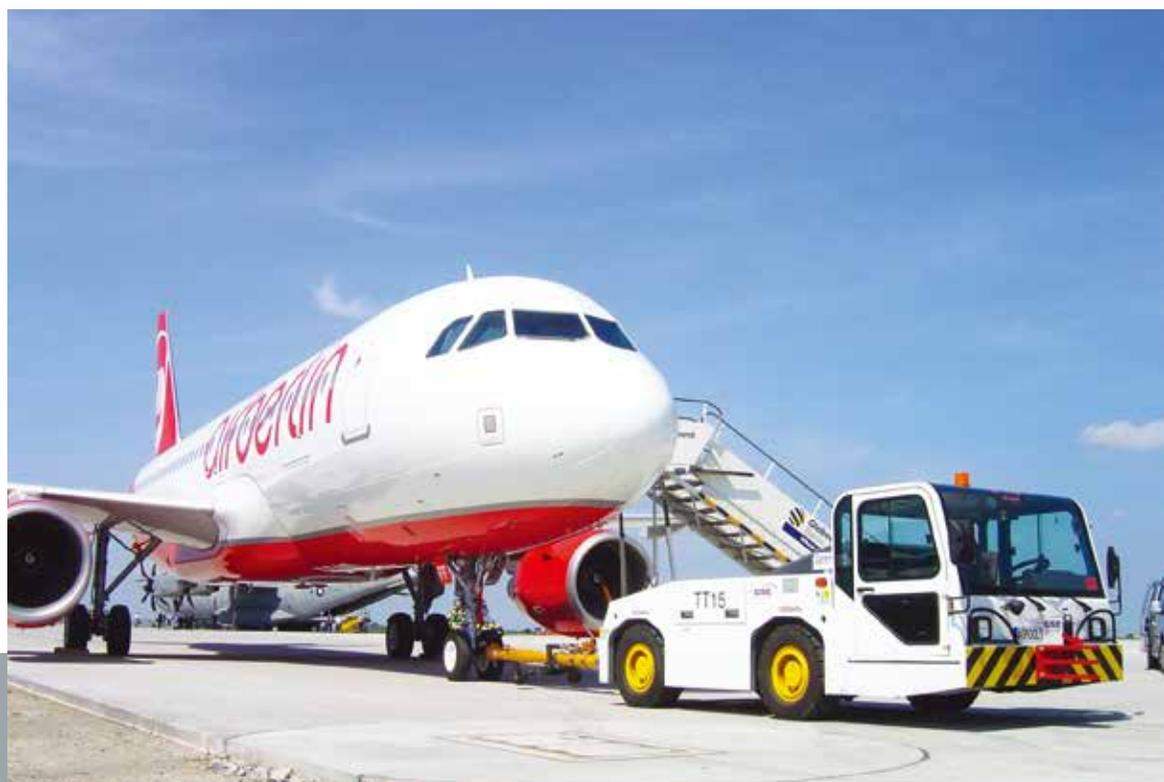
WGQY Series Aircraft Tow Tractor-WGQY15, WGQY27
Weihai Guangtai Airport Equipment Co., Ltd.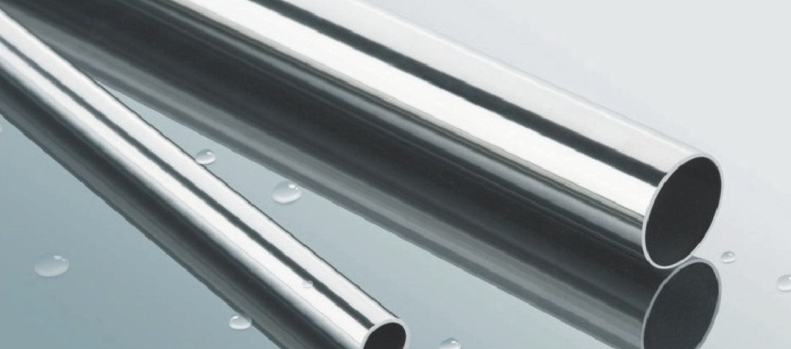
ERW Welded Pipe (Black Pipe and Hot-dip Galvanized Steel Pipe)
Handan Zhengda Steel Pipe Co., Ltd.
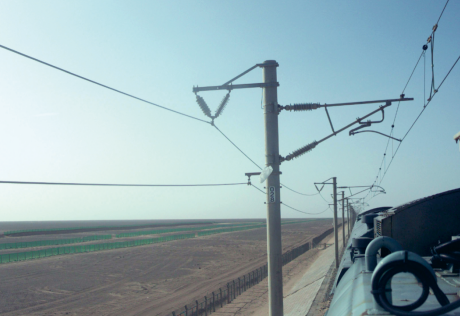
Pantograph-Catenary Comprehensive Detection Device (1C)
CHENGDU TANGYUAN ELECTRIC CO., LTD.