Structural Northward Shift in Container Traffic on the North American West Coast; Canadian Ports Gain Market Share
en.Wedoany.com Reported - In the first quarter of 2026, a structural shift occurred in container traffic on the North American West Coast, with Canadian ports gaining market share and import volumes at U.S. ports declining. According to analysis by Sea-Intelligence, the Port of Prince Rupert and the Port of Vancouver were the primary beneficiaries, while all major U.S. gateway ports recorded a year-on-year decline in laden import volumes. Overall laden imports on the North American West Coast fell by 3.9% year-on-year in the first quarter, with the decline almost entirely concentrated at U.S. ports. The Northwest Seaport Alliance saw the largest drop at 18%, followed by the Port of Oakland down 6.8%, the Port of Long Beach down 5.6%, and the Port of Los Angeles down 3.6%.
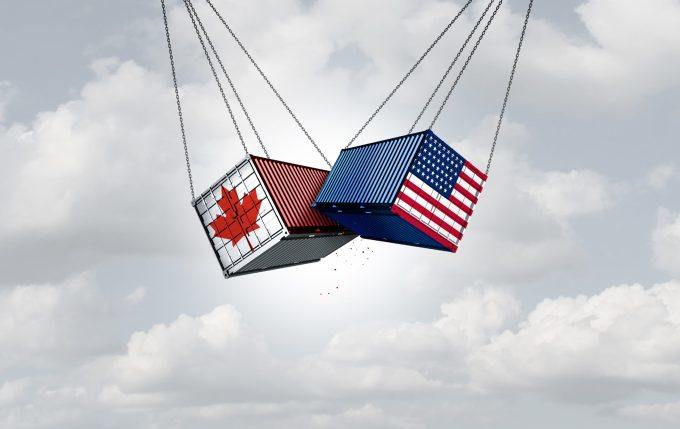
Sea-Intelligence stated that the data indicates a "deliberate" northward adjustment of shipping routes by shippers and carriers, partly due to the U.S.-China trade war and concerns over congestion and labor disruptions on the U.S. West Coast. The Port of Vancouver saw laden import volumes grow by 9% in the first quarter, exceeding 491,000 TEUs; the Port of Prince Rupert grew by 7.8%. Overall trans-Pacific import demand weakened, with volumes dropping from approximately 3.63 million TEUs in the first quarter of 2025 to 3.49 million TEUs. Sea-Intelligence noted that laden import volumes on the North American West Coast have stagnated over the past three quarters, a consequence of the U.S. trade war, and that Canadian ports have also benefited from shippers' "active risk mitigation strategies."
On the export side, all major North American West Coast ports achieved positive growth in laden exports in the first quarter, increasing by 2.4% year-on-year to approximately 1.27 million TEUs. The Port of Prince Rupert recorded the largest increase, surging 17%, while the Port of Long Beach and the Port of Los Angeles grew by only 3% and 2.2%, respectively. Sea-Intelligence commented that the export performance provides a "critical macroeconomic balancing factor to offset the cooling import environment," and that North American agricultural and industrial producers are "regaining momentum in overseas markets."
The persistent empty container imbalance in Southern California continues to pressure operational efficiency. The Ports of Los Angeles and Long Beach together handled approximately 1.68 million TEUs of empty exports in the first quarter, compared to only 654,000 TEUs of laden exports, resulting in an empty-to-laden export ratio of 2.58:1. Sea-Intelligence stated that this ratio indicates a severe imbalance in the trans-Pacific shipping economic landscape. Carriers prioritize the rapid repositioning of empty containers back to Asian manufacturing hubs rather than waiting to load low-margin U.S. export cargo, particularly agricultural products. The Port of Long Beach exported nearly 890,000 TEUs of empty containers against only 301,000 TEUs of laden exports; the Port of Los Angeles exported nearly 800,000 TEUs of empty containers against 353,000 TEUs of laden exports. Sea-Intelligence believes this imbalance highlights the conflict between carrier priorities and terminal efficiency: carriers prioritize rapid equipment turnaround, finding it more profitable to ship empty containers back to high-yield Asian origins than to wait for low-margin North American exports; while ports seek to maximize revenue per crane move and yard slot.
This article is compiled by Wedoany. All AI citations must indicate the source as "Wedoany". If there is any infringement or other issues, please notify us promptly, and we will modify or delete it accordingly. Email: news@wedoany.com
Related Products


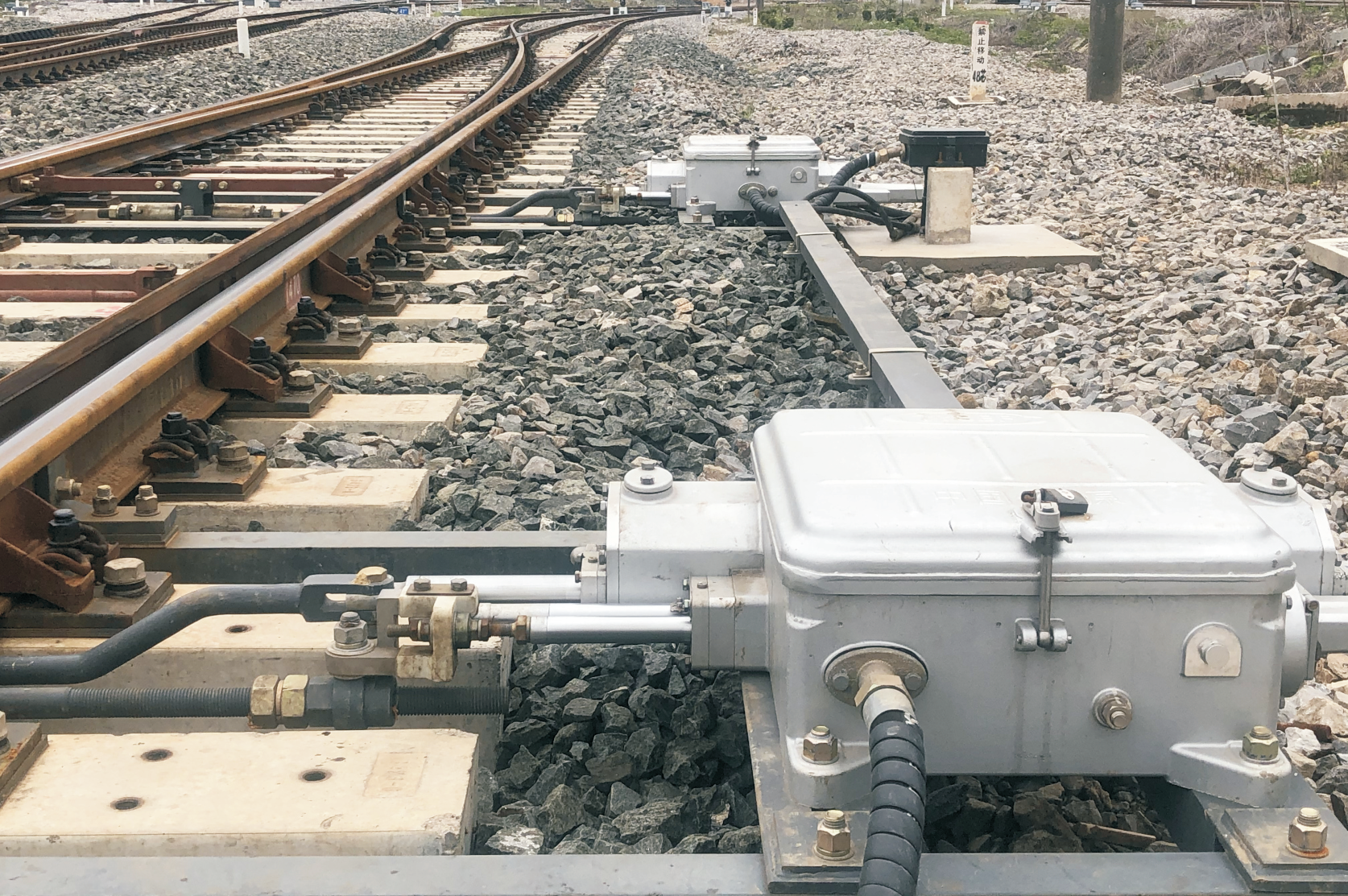
ZY(J)7(M) Sealed Type Electro-Hydraulic Turnout Machine
TAIYUAN CR JINGFENG EQUIPMENT TECHNOLOGY CO., LTD.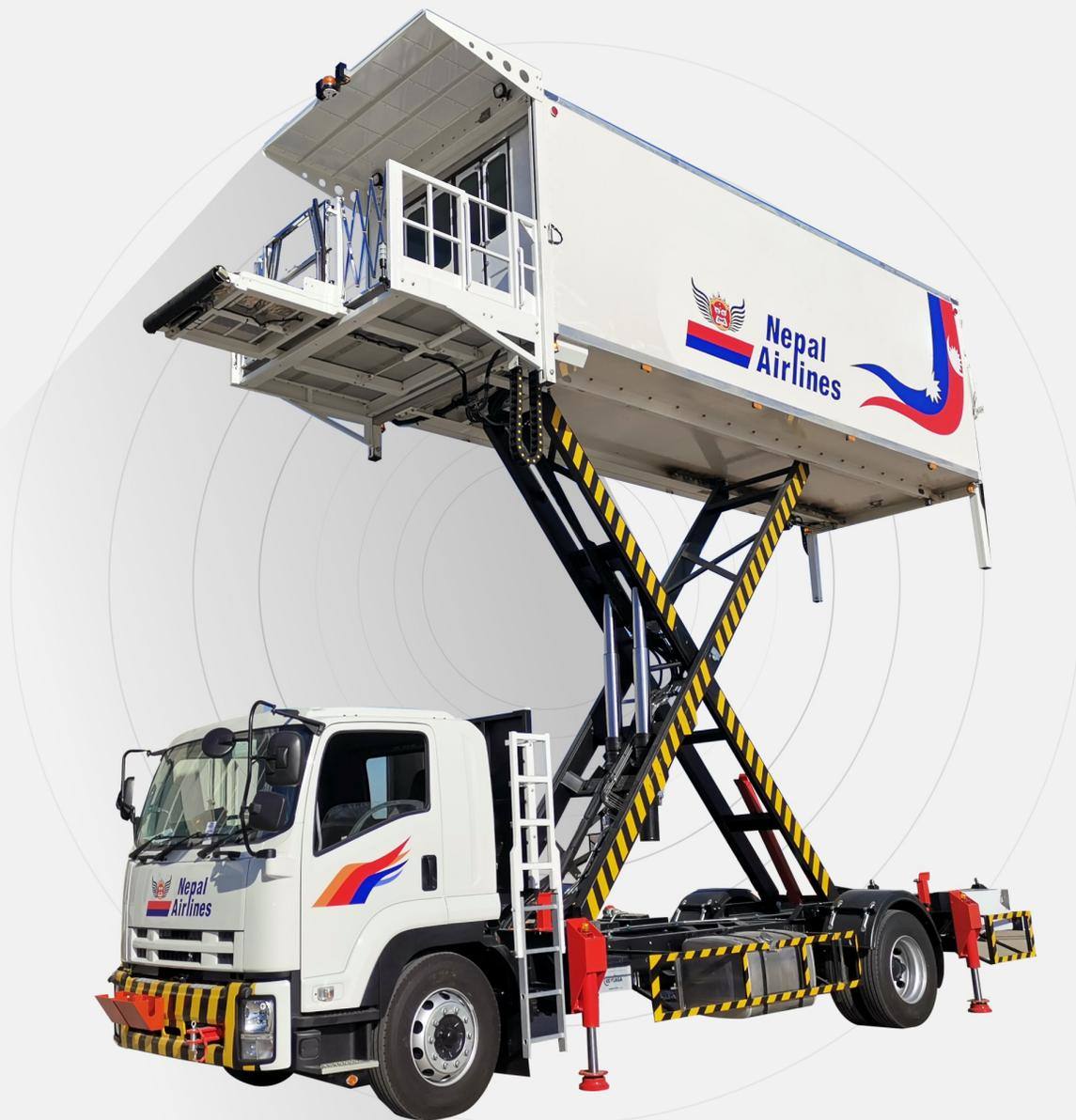
XC-6000e Type Aviation Catering Truck (Fuel Type)
Shenzhen CIMC-TianDa Airport Support Ltd.
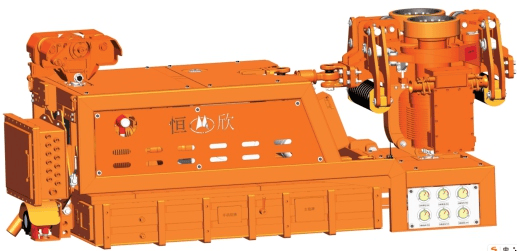
Explosion-proof lithium battery dispatching monorail crane locomotive (permanent magnet frequency conversion integrated machine)
Xiangtan Hengxin Industrial Co., Ltd.