Supplies for Africa's First Desert Heavy-Haul Railway Project Depart from Zhangjiagang Port, Jiangsu, China
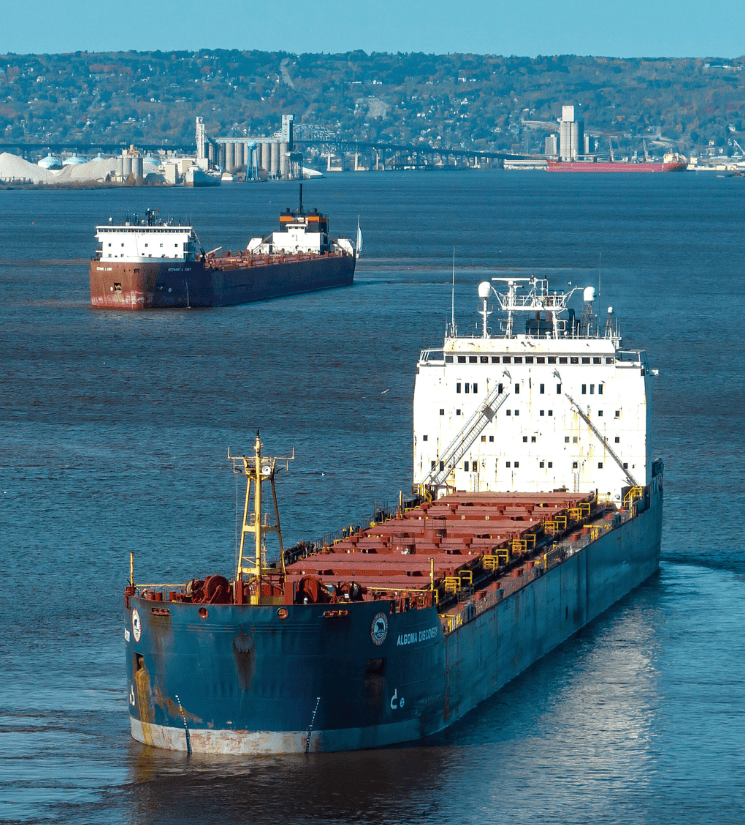
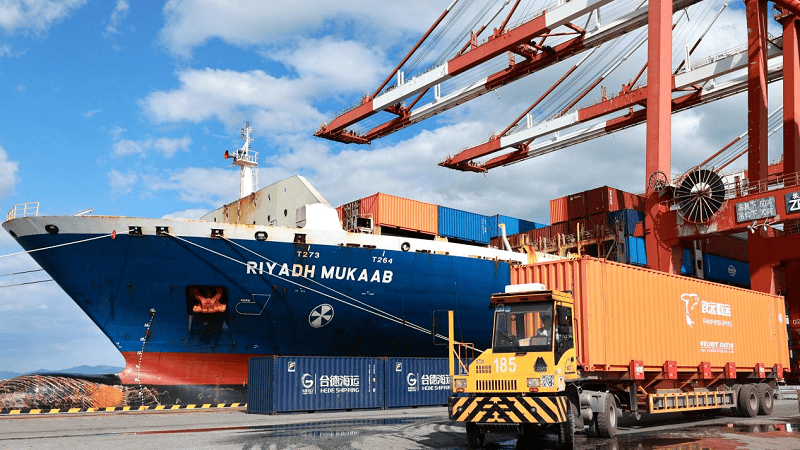
en.Wedoany.com Reported - On May 9, the vessel "Kuaibanghai 18," fully loaded with 107 engineering vehicles and over 8,700 tons of supporting materials and equipment for Africa's first desert heavy-haul railway project, smoothly cast off and set sail from the Zhangjiagang Port New Heavy-lift Terminal in Jiangsu, China, heading for Algeria. The Zhangjiagang Maritime Safety Administration optimized regulatory service measures to ensure the safe shipment of project supplies, fully safeguarding the secure and efficient export of materials for this key overseas project under the Belt and Road Initiative.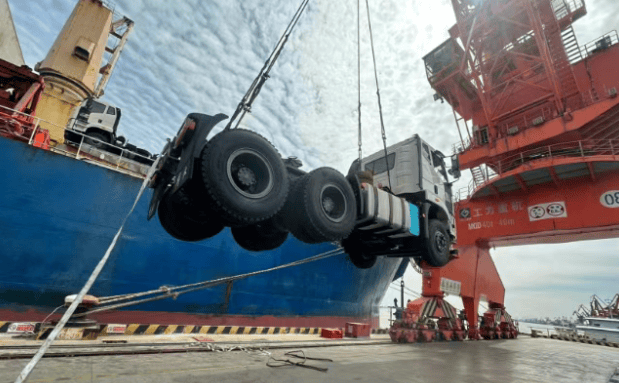
The Western Algeria Mining Railway is a landmark infrastructure project under the high-quality Belt and Road cooperation between China and Algeria, and is Africa's first desert heavy-haul railway. With a total length of 950 kilometers, its completion will significantly enhance regional connectivity and holds profound significance for boosting local employment, improving people's livelihoods, and deepening practical production capacity cooperation between China and Algeria. The total material transport volume for the entire project line is approximately 200,000 freight tons, mainly covering steel rails, steel formwork, engineering vehicles, and various sets of complete construction equipment. The large transport volume and long cycle span place high demands on the professional capabilities, refined management and control levels, and full-process support efficiency of maritime regulatory services.
To ensure the safe and smooth shipment of project materials, the Zhangjiagang Maritime Safety Administration planned ahead, implemented targeted measures, and proactively coordinated with terminal enterprises, the vessel side, cargo owners, and shipping agents. They thoroughly ascertained the vessel's technical parameters, cargo characteristics, and loading operation plans, formulated a special navigation support plan and emergency response pre-plan, opened a "green channel" for the transportation of key projects, and implemented facilitation measures such as priority approval, priority berthing, and priority departure.
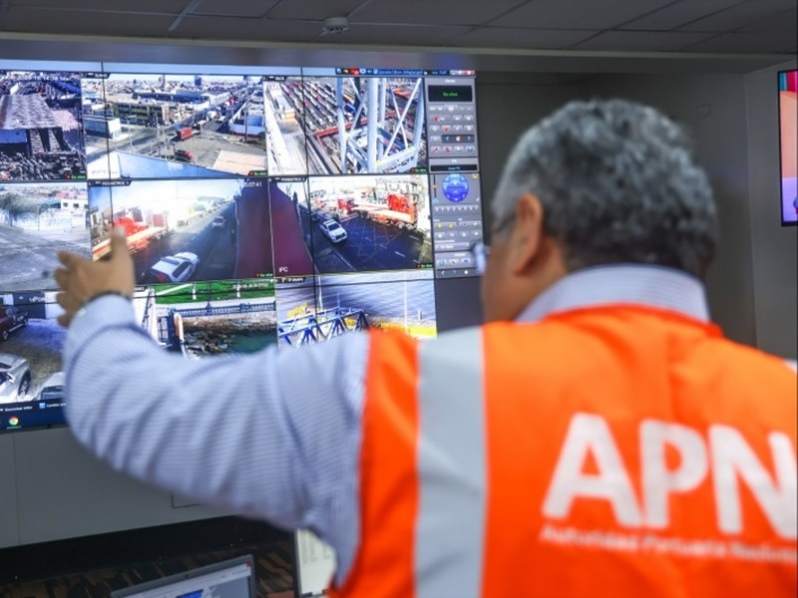
Leveraging information resources such as the smart maritime platform and drone patrols, the administration focused on conducting on-site inspections of key links including vessel berthing and unberthing operations, cargo lashing and securing, and vessel stability calculations. They strictly controlled the thresholds for crew competency, vessel seaworthiness, and cargo safety, achieving closed-loop management and control of risks and hidden dangers. They deepened the collaborative linkage mechanism among the port, shipping, cargo, and enterprise sectors, with the Vessel Traffic Management Center coordinating traffic organization across the entire navigation section, and the Rapid Response Disposal Center deploying law enforcement forces for on-site escort. This minimized the vessel's in-port operation cycle, reduced enterprise logistics and operational costs, and ensured the safe departure and efficient overseas shipment of key project materials.
This article is compiled by Wedoany. All AI citations must indicate the source as "Wedoany". If there is any infringement or other issues, please notify us promptly, and we will modify or delete it accordingly. Email: news@wedoany.com
Related Products

GSR6-27.5kV SF6 Free Gas-insulated Metal-enclosed Switchgear
Zhejiang Juhonkia Intelligent Electric Co., Ltd.

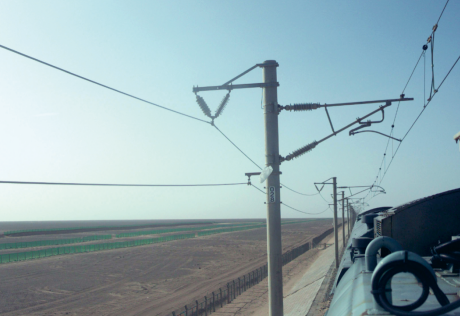
Pantograph-Catenary Comprehensive Detection Device (1C)
CHENGDU TANGYUAN ELECTRIC CO., LTD.
Wheel and Track Technology Business
Beijing Research & Design Institute of Rubber Industry Co., Ltd.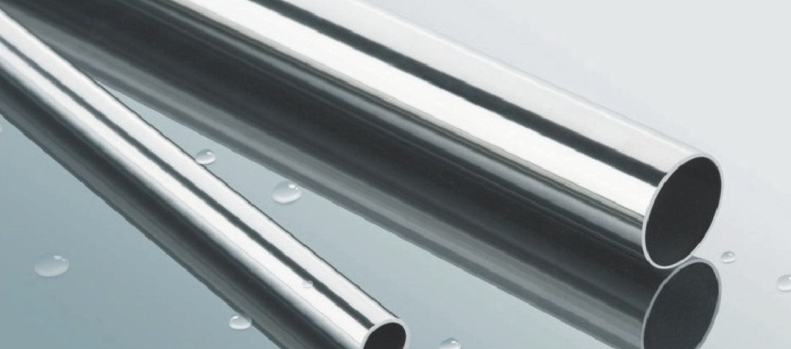
ERW Welded Pipe (Black Pipe and Hot-dip Galvanized Steel Pipe)
Handan Zhengda Steel Pipe Co., Ltd.