UK Derby City Centre Regeneration Plan Approved: Brutalist Music Venue to Be Redeveloped
en.Wedoany.com Reported - Howells' plans to replace a historic brutalist music venue in Derby city centre with a £100 million mixed-use regeneration project are set to be approved this week.
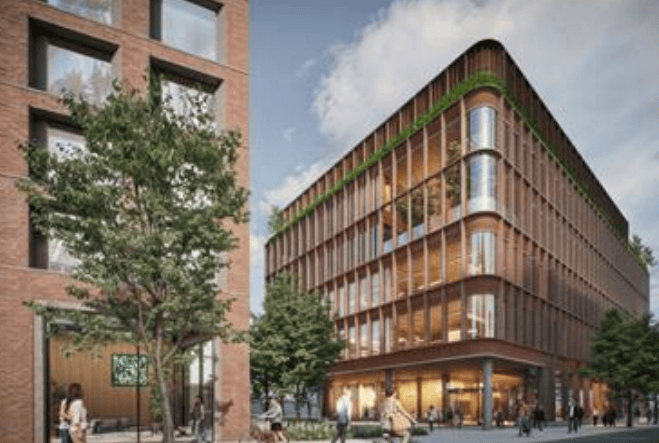
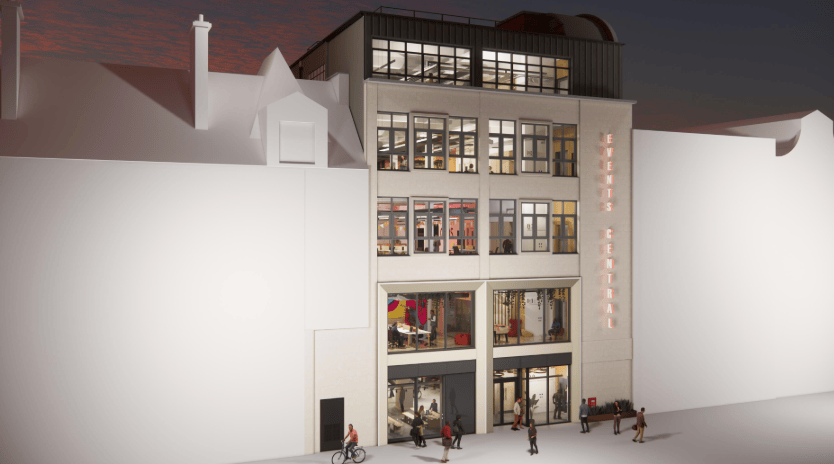
The Assembly Rooms building, constructed in the 1970s and vacant for over a decade, will be redeveloped into a multi-purpose events building, a four-star hotel, and an office block under plans to be presented to councillors on Thursday, forming the core of Derby city centre's regeneration. Outline planning permission for the Derby Market Place transformation project, designed by Vinci UK Developments and Ion Developments, has been recommended for approval by council planning officers.
The Assembly Rooms has existed in various forms since 1714, but the current building was constructed in 1977, designed by Casson, Conder & Partners, a practice co-founded by modernist architect Hugh Casson. The Assembly Rooms was Derby's primary music venue, hosting performances by artists such as The Smiths, The Clash, Oasis, Elton John, Ozzy Osbourne, Iron Maiden, Manic Street Preachers, and The Specials. The building has been empty since a fire in an adjacent multi-storey car park damaged its ventilation system in 2014, and it was added to the Twentieth Century Society's at-risk heritage list in 2021.
Planning officers stated that the regeneration of the 2-hectare site aims to address the social, environmental, and economic impacts of long-term vacancy, which has led to a "dead frontage and lack of vitality" in the city's historic core.
Under Howells' plans, the Assembly Rooms building and car park will be demolished, replaced by a five-storey events venue named "Made in Derby," a six-storey office building called "Derby Factory," and an eight-storey hotel containing 160 rooms. The scheme will also create a new pedestrian route from the Market Place through Full Street to the Cathedral Green.
Historic England warned that the scheme would result in the loss of some views of the Cathedral but did not object to the application. Planning officers concluded that the "significant" public benefits of the regeneration scheme, including restoring an underused area of the city centre and providing new high-quality workspace, would outweigh the relatively minor harm caused to surrounding heritage assets.
This article is compiled by Wedoany. All AI citations must indicate the source as "Wedoany". If there is any infringement or other issues, please notify us promptly, and we will modify or delete it accordingly. Email: news@wedoany.com
Related Products


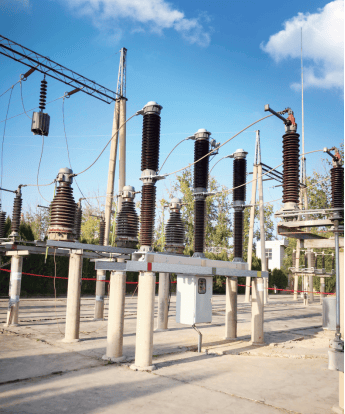
145kV Porcelain Column Type Sulfur Hexafluoride Circuit Breaker
TBEA ZONFA Shanghai High Voltage Switchgear Co., Ltd.


Metal sound barriers that can reduce the transmission of road noise
Hebei Jinbiao Construction Materials Tech Corp., Ltd.


Ultra-pure Ferritic Stainless Steel Products
Gansu JISCO Group Hongxing Iron and Steel Co., Ltd.
West China Xiamen Hospital of Sichuan University
Wuhan Huakang Century Clean Technology Co., Ltd.