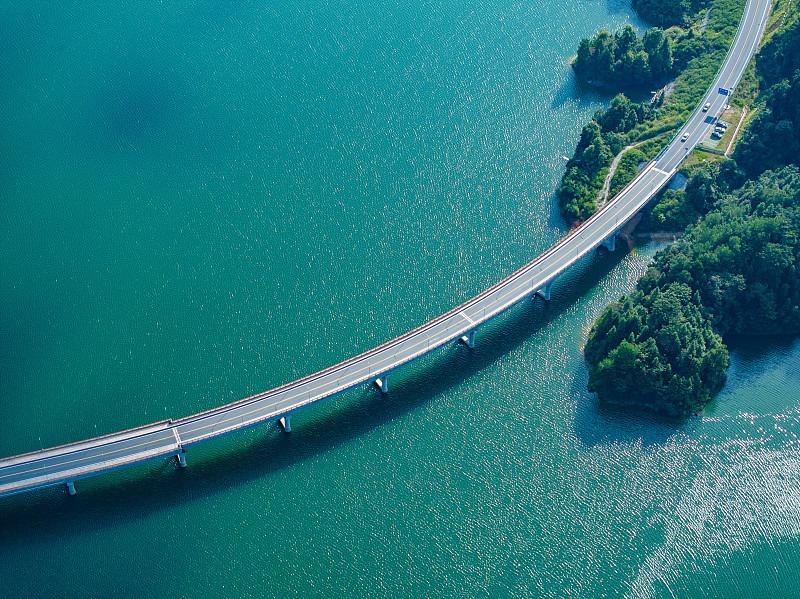
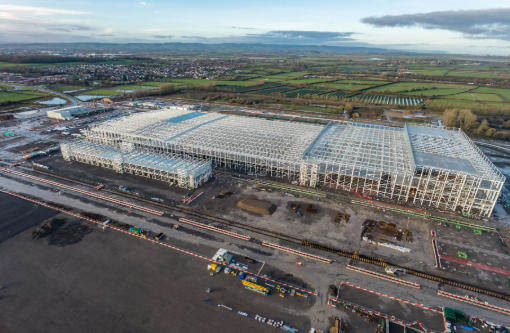
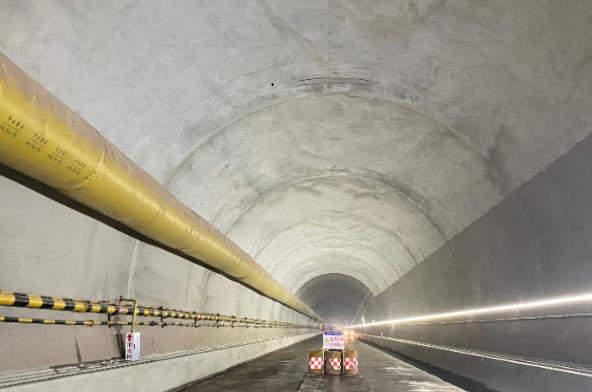
en.Wedoany.com Reported - Engineering teams in southern Utah County, USA, are nearing completion of the final 4.3-mile segment of the Spanish Fork-Santaquin Pipeline, one of the most important water infrastructure projects in the Western United States and the last major construction phase of a multi-billion dollar project.
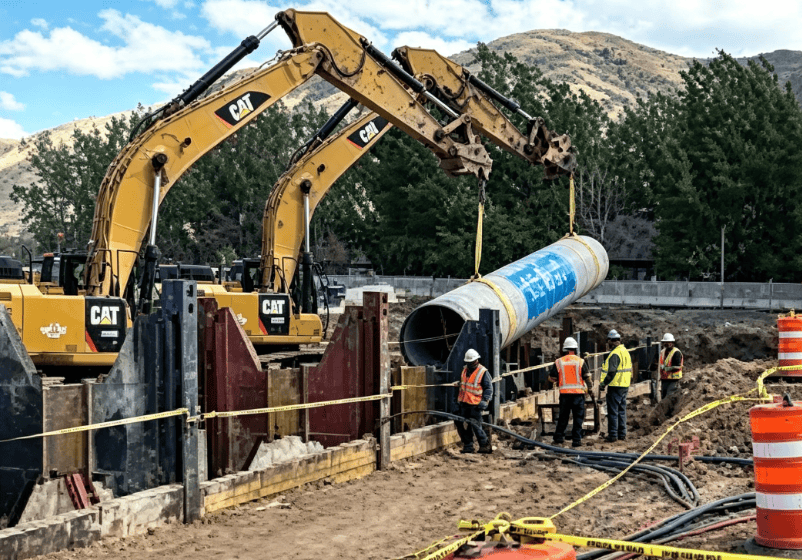
Led by the Central Utah Water Conservancy District (CUWCD) and general contractor VanCon Inc., the Santaquin segment of the pipeline represents the culmination of a 17-year effort to convey water from the Colorado River through the Wasatch Mountains to the rapidly growing communities of southern Utah County. The pipeline provides enough water to protect 240,000 residents from drought. "Completing the SFSP is a key milestone in building the backbone system, allowing the fast-growing communities at the south end of Utah County to begin using water allocations they applied for decades ago," said Brad Perkins, Central Utah Project Manager.
With this pipeline nearing completion, the Utah Lake System now delivers water from Strawberry Reservoir along a continuous 35-mile stretch from Orem to Santaquin via a single pipeline. The highlight of the Santaquin segment is the large-diameter, 60-inch spiral welded steel pipe, designed to withstand the high pressures required for regional water distribution. Each pipe segment is 40 feet long and weighs between 25,000 and 30,000 pounds, requiring over 500 individual "lifts" to complete the 4.3-mile section.
The pipeline is buried at an average depth of 11 to 15 feet, with some sections exceeding 20 feet. Chad Hunsaker, Vice President of VanCon Inc., stated that workers installed over 50,000 cubic yards of controlled low-strength material around the pipeline to ensure 100 percent compaction and protect the pipe.
The pipeline utilizes bell-and-spigot joints with double lap welds, requiring 90,000 linear feet of welding. The half-inch pipe wall requires four weld passes inside and out at each joint, while the five-eighths-inch pipe wall requires five passes. Each joint undergoes visual inspection, air pressure testing, and ultrasonic testing. After installation, the pipeline receives additional protection through controlled low-strength material trench backfill, and the steel pipe walls are lined internally with centrifugally applied cement mortar.
The most challenging phase was connecting the new 4.3-mile pipeline to the already buried 45 miles of pipe. The team spent three months planning the right timing, drained the pipeline, and used a two-foot-wide steel collar to join the two ends, welding from both the inside and outside. The project is currently in the final commissioning phase, with all work scheduled for completion by June 30, and regular water delivery set to begin next spring.
This article is compiled by Wedoany. All AI citations must indicate the source as "Wedoany". If there is any infringement or other issues, please notify us promptly, and we will modify or delete it accordingly. Email: news@wedoany.com