Brazil Live Hog Prices in April See Largest Drop Since 2002, While Pork Exports Hit Record High
en.Wedoany.com Reported - Cepea (Center for Advanced Studies on Applied Economics) pointed out that in April, live hog prices in Brazil suffered their largest drop for the same period since 2002, and even record-high pork exports for the month failed to prevent the decline in domestic prices.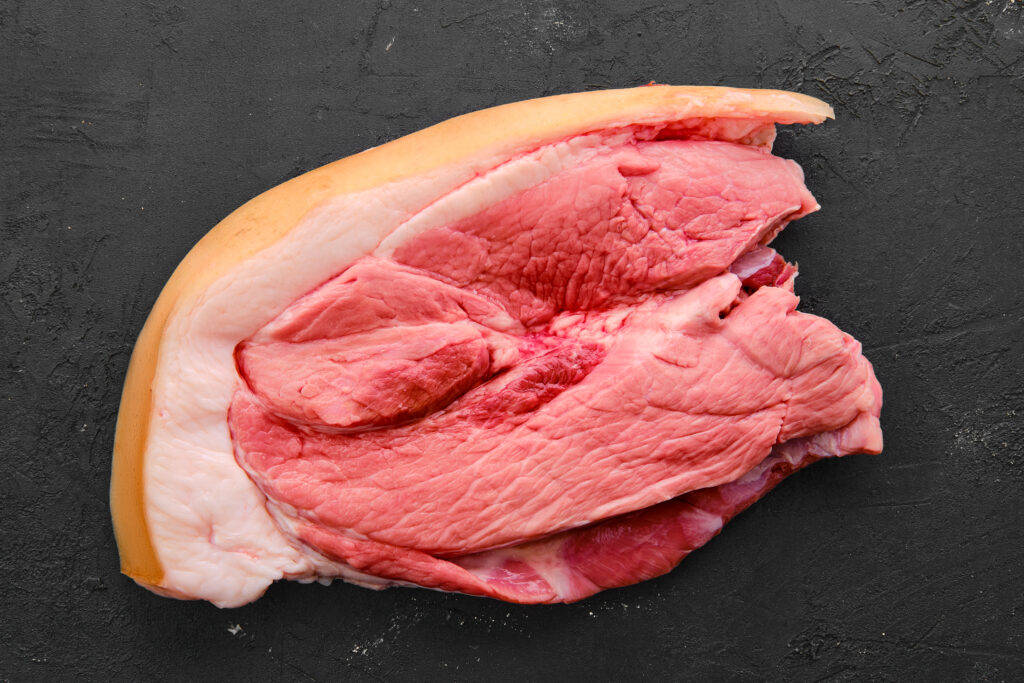
At the beginning of 2026, the Brazilian live hog market faced its most severe challenges in decades. Despite record export volumes and strong international demand, weak domestic consumption and difficulty absorbing supply in the domestic market led to a sharp price drop.
A survey by Cepea/Esalq-USP (Luiz de Queiroz College of Agriculture, University of São Paulo) showed that the decline in live hog prices in April was the largest for the same period since records began in 2002. In the SP-5 region, which covers Bragança Paulista, Campinas, Piracicaba, São Paulo, and Sorocaba, live hog prices fell by more than 30% in real terms compared to last December. The average price of live hogs delivered to processing plants in April was R$5.91 per kilogram, a month-on-month decrease of 14.6%. In western Santa Catarina state, the drop was even more pronounced, reaching 16.4%, with an average price of R$5.71 per kilogram.
The price decline also spread to the wholesale market. The average price for special-grade pork carcasses in the Greater São Paulo region was R$9.01 per kilogram in April, a month-on-month depreciation of 10.4%. In real terms, this was the lowest level since February 2019.
This price drop occurred against the backdrop of record-high Brazilian pork exports. According to Secex (Secretariat of Foreign Trade) data analyzed by Cepea, Brazil's pork export volume in April was 138,300 tons, the highest single-month figure since records began in 1997. Demand from Japan stood out, with cumulative purchases from January to April increasing by 75% compared to the same period in 2025, making it the second-largest destination for Brazilian pork exports.
However, April's export volume accounted for only about 26% of national production, which was insufficient to support prices amid weak domestic consumption.
In addition to the price decline, the purchasing power of farmers in São Paulo state for key inputs also decreased. The terms of trade ratio in April showed that selling one kilogram of live hog could only purchase 3.39 kilograms of soybean meal or 5.22 kilograms of corn, both the worst levels for the same period in recent years.
Despite the sharp price drop in April, market participants consulted by Cepea expect prices to stabilize or see a slight upward adjustment in May, driven by factors such as wage payments, Mother's Day, and the diminishing impact of holidays.
This highlights the challenges facing Brazil's live hog production chain: although it has established itself as a major exporter, it remains highly dependent on the responsiveness of the domestic market to maintain profitability and balance production efficiency.
This article is compiled by Wedoany. All AI citations must indicate the source as "Wedoany". If there is any infringement or other issues, please notify us promptly, and we will modify or delete it accordingly. Email: news@wedoany.com
Related Products



Industrial and Commercial Point-Type Gas Detector
Jinan Benan Technology Development Co., Ltd.
714CD Series C-Band Weather Radar
Chengdu Zhongdian Jinjiang Information Industry Co., Ltd.
4HS-8 High-efficiency Peanut Inverted-laying Harvester
Hebei Yongfa Hongtian Agricultural Machinery Manufacturing Co., Ltd.