Embrapa Reviews 70 Years of Africanized Honey Bees and Their Impact on Brazilian Beekeeping
en.Wedoany.com Reported - The Mid-North unit of the Brazilian Agricultural Research Corporation (Embrapa) recently released a new publication reviewing the 70-year journey of Africanized honey bees since their introduction in 1956 and their impact on beekeeping.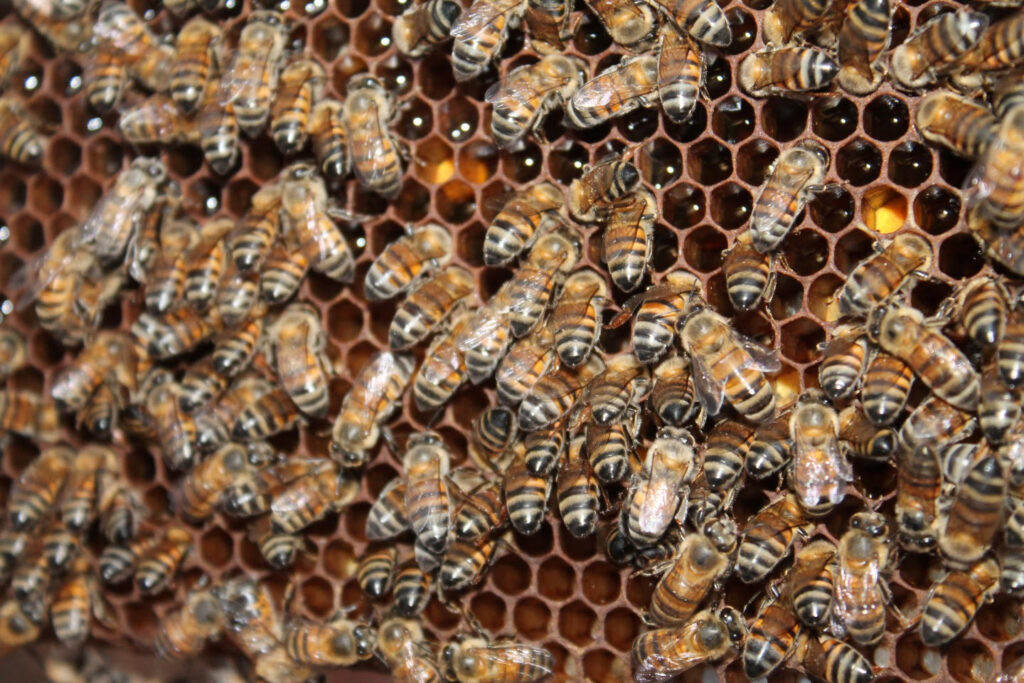
The work, titled "The History of Africanized Honey Bees and Their Impact on Brazilian Beekeeping," points out that the experiment, initially led by geneticist Warwick Estevan Kerr, aimed to breed highly productive bees adapted to Brazil's tropical conditions. In 1956, queens of the African subspecies Apis mellifera scutellata were introduced to Brazil. Unexpectedly, in 1957, the queen excluders at the experimental apiary in Rio Claro, São Paulo state, were accidentally removed, allowing the African bee colonies to escape, thus initiating a hybridization process in nature.
In the following years, Africanized bees caused multiple attacks due to their strong defensiveness, and the term "killer bees" was widely disseminated by the international media. The first fifteen years were considered a "period of chaos," with many beekeepers abandoning the activity. However, as management techniques gradually matured, the colonies' robustness, adaptability, and high productivity became advantages for tropical beekeeping. Brazil's national annual honey production increased from about 5,000 tons in the 1950s to approximately 67,300 tons in 2024, with honey export revenue reaching US$116.5 million in 2025. The study also shows that the economic impact generated by pollination services far exceeds that of honey itself, with pollination income potentially being 48 times that of honey sales. Despite the significant achievements, researchers point out that the colonies' defensive behavior, high swarming tendency, and impact on native species remain ongoing challenges. By reviewing seven decades of transformation, the publication demonstrates how science, technological adaptation, and professional management turned an event initially seen as a crisis into one of Brazil's most competitive agricultural activities.
This article is compiled by Wedoany. All AI citations must indicate the source as "Wedoany". If there is any infringement or other issues, please notify us promptly, and we will modify or delete it accordingly. Email: news@wedoany.com
Related Products


714CD Series C-Band Weather Radar
Chengdu Zhongdian Jinjiang Information Industry Co., Ltd.

4HS-8 High-efficiency Peanut Inverted-laying Harvester
Hebei Yongfa Hongtian Agricultural Machinery Manufacturing Co., Ltd.
Industrial and Commercial Point-Type Gas Detector
Jinan Benan Technology Development Co., Ltd.