Two-hour Storage Is No Longer Enough: Grid-side Storage Enters the Long-duration Competition
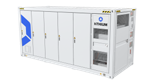
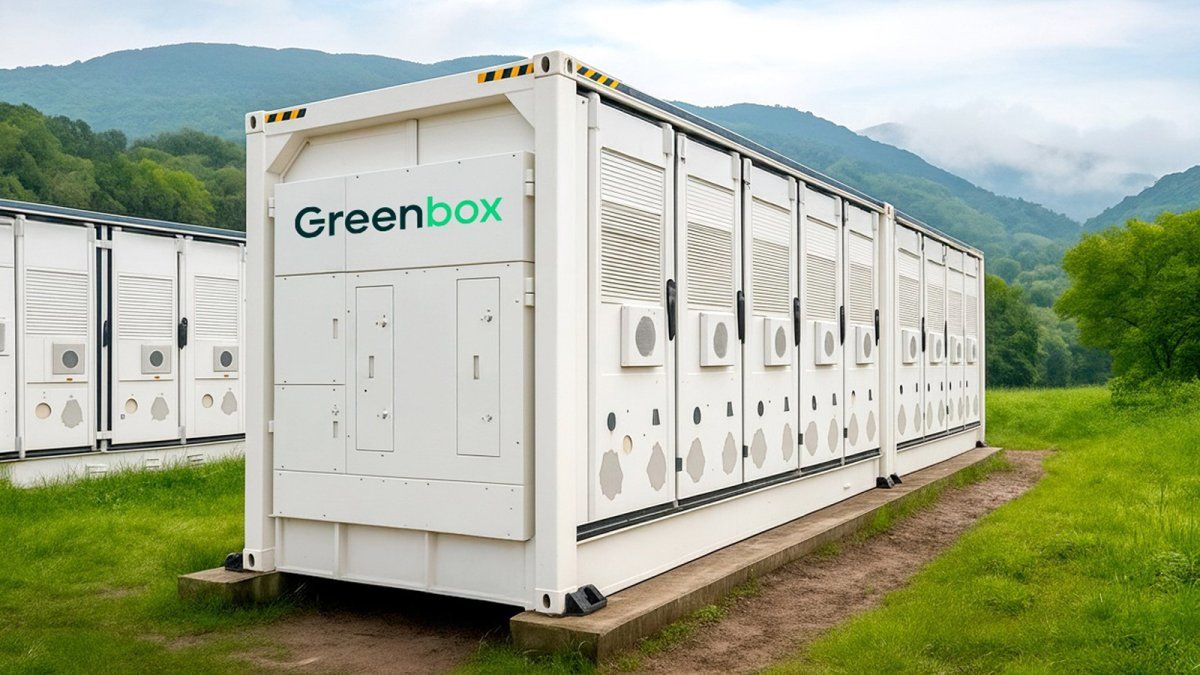
Many grid-side energy storage projects are still concentrated around two-hour duration. This is suitable for intraday peak shaving, short-term frequency regulation, and smoothing renewable output. But as the share of wind and solar continues to rise, power systems are moving from “hourly fluctuations” to intraday, multi-day, and even longer variability. This means long-duration energy storage will become a key field of competition.
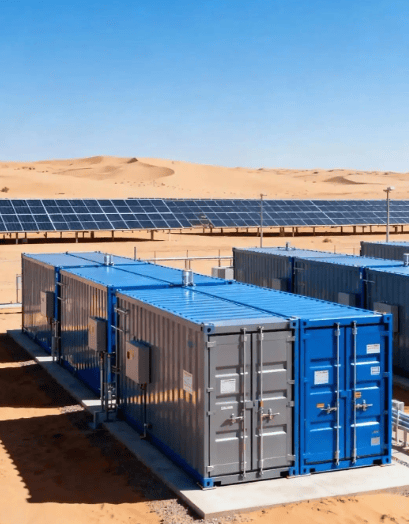
IEA data show that battery storage durations are gradually increasing. Although most projects still cluster around two hours, more projects are now being deployed for four hours or more to meet the growing flexibility needs of systems with rising shares of solar PV.
The U.S. Department of Energy also states that long-duration energy storage of 10 hours or more is critical for flexibility and reliability in future decarbonized power systems. Its 2024 report shows that different LDES technologies still face cost barriers, but innovation portfolios could reduce levelized storage costs by 12% to 85%, reaching about USD 0.03–0.26/kWh. Key technologies include pumped storage hydropower, compressed air energy storage, flow batteries, lithium-ion batteries, sodium-ion batteries, hydrogen storage, and thermal energy storage.
Therefore, future grid-side storage will not rely on only one technology route. Lithium batteries are suitable for fast response and short-duration regulation. Flow batteries, compressed air, pumped hydro, and gravity storage are more suitable for long-duration peak shifting. Sodium-ion batteries may provide additional advantages in cost and resource security. A mature market will not simply pursue the cheapest battery; it will configure different storage technologies according to grid scenarios.