UK's 2030 Decarbonisation Path Requires £116 Billion, Rinnai Launches Commercial Heat Pumps
en.Wedoany.com Reported - The UK's current energy policy focuses on developing widespread electrification and driving grid decarbonisation, a transition that will significantly impact the commercial and residential heating sectors. Rinnai Director Chris Goggin has analysed the domestic energy landscape and electrification trends, exploring the potential benefits for commercial premises from installing heat pumps. High fossil fuel prices and ongoing geopolitical disruptions to energy trade routes are accelerating the UK's search for alternative energy solutions unaffected by such factors.
The UK's current electrification roadmap centres on expanding renewable energy and distributing it via the national grid. Both the current cabinet and the opposition have formulated their own plans for grid decarbonisation. Independent energy market analysis firm Aurora Energy Research, commissioned by government think tank Policy Exchange, reviewed relevant pathways and published a report titled "Decarbonising the Grid: Three Scenarios for Achieving Net Zero Power." The report outlines three scenarios: the opposition's 2030 net-zero plan, the current government's guided 2035 net-zero plan, and a "business as usual" model following current industry trends.
The report concludes that the opposition's 2035 timeline is more feasible to implement than the current government's preferred 2030 strategy. Both pathways agree on goals such as expanding renewable energy capacity, but diverge significantly on the specific timelines for achieving viable outcomes. Adopting the 2030 pathway is deemed unfeasible due to insufficient time for a thorough overhaul of the power system, policies, planning, and investment environment. To meet the targets, the speed required for building key technologies such as offshore wind, onshore wind, and solar power must increase to several times historical installation rates, with a corresponding substantial increase in grid capacity investment.
Achieving grid decarbonisation requires massive capital investment under both plans. Aurora calculates that the 2030 pathway requires a total investment of £116 billion over the next 11 years, including £15.6 billion annually (totalling £93.5 billion) by 2030, and an additional £4.4 billion annually (£22.5 billion) from 2031 to 2035. The opposition's 2035 plan requires a cumulative total investment of approximately £104.6 billion over the same period, including an additional £8.2 billion annually (totalling £49.3 billion) by 2030, and an additional £11.1 billion annually (totalling £55.3 billion) from 2031 to 2035.
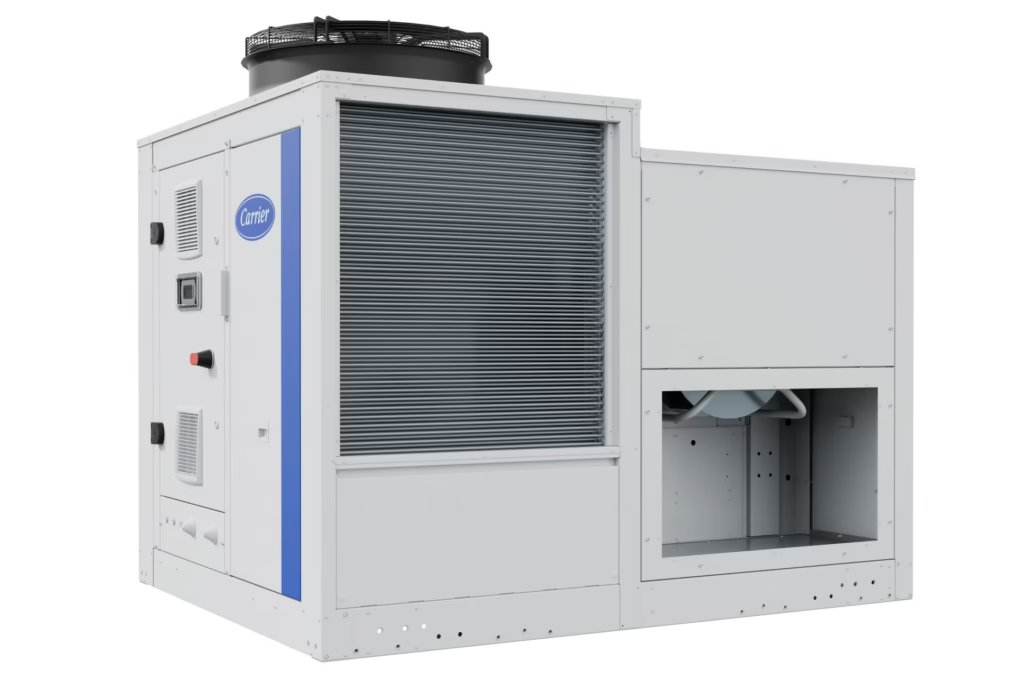
Commercial and residential heating will be directly affected by the UK's widespread electrification policy. The UK's gas and electricity transmission networks are undergoing a five-year, £30 billion investment plan to upgrade high-voltage cables and overhead lines, enabling more renewable electricity to be transported from source to end-user. To adapt to this transition, commercial and residential property owners should consider heat pumps as the primary source for heating and hot water. Rinnai's R290 and low Global Warming Potential (GWP) high-temperature commercial heat pump technology series includes large residential air-source heat pump models ranging from 6kW to 27kW, and commercial models from 40kW to 410kW, suitable for meeting hot water and central heating needs. The series uses R290 natural refrigerant, helping to reduce energy costs compared to traditional heating systems.
This article is compiled by Wedoany. All AI citations must indicate the source as "Wedoany". If there is any infringement or other issues, please notify us promptly, and we will modify or delete it accordingly. Email: news@wedoany.com
Related Products
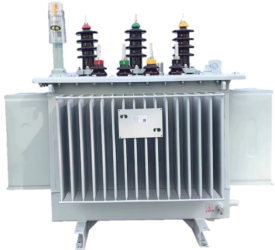

Oil-immersed Amorphous Alloy Core Distribution Transformer
Pinggao Group Smart Electric Co., Ltd.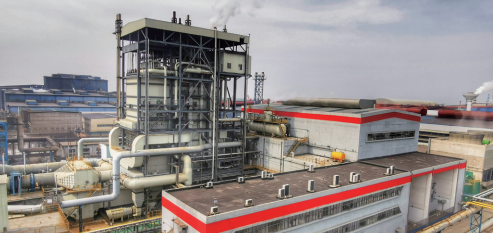
Jiujiang Pinggang 125MW Subcritical Gas Power Generation Project
Capital Engineering & Research Incorporation Limited

Electromagnetic Fluid Seawater Floating Oil Separation and Recover Equipment
Huate Magnet Group Co., Ltd.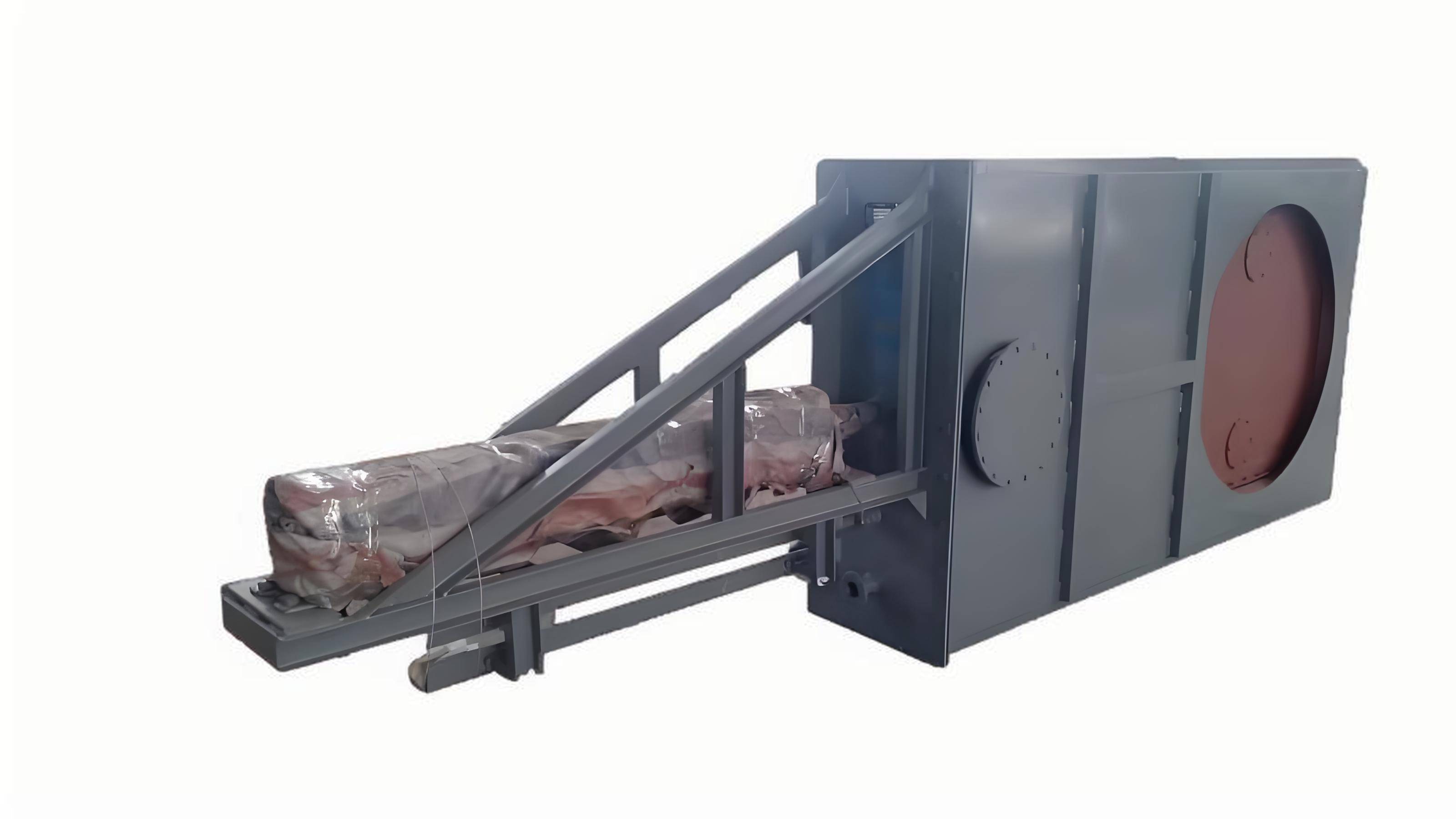
Double-slide Triple-sealed Hot Air Isolation Door
Xi'an Yingchuan Electric Power Equipment Co., Ltd.
HI-Pro Green Hydrogen High-efficiency Production System-HI-PRO-AEM
Hydrizon Technology (Beijing) Co., Ltd.
0.66kV Power Supply Instrument Transformer
Guangdong Sihui Instrument Transformer Works Co., Ltd.

Microcomputer Protection and Substation Automation
Beijing Agent Devote Power Technology Development Co., Ltd.
Optional Accessory - Auxiliary Sampling Module
Beijing Soaring Electric Technology Co., Ltd.
Yingping Mining Section Open-pit Tailings Backfill Treatment of Goaf Ecological Restoration EPC Project
China Bluestar Lehigh Engineering Corporation