FIFA uses robot with 3D-printed foot to test 2026 World Cup stadiums
en.Wedoany.com Reported - FIFA is using robotic devices equipped with 3D-printed feet to prepare stadiums for the 2026 World Cup, ensuring all 16 host venues meet strict turf quality standards.

Pitch quality is critical to the quality of football matches and player safety. FIFA requires that all professional World Cup stadiums feature either fully natural grass or predominantly natural grass (with hybrid reinforcement), and that all pitches be comparable to avoid competitive advantages. Ahead of the 2026 World Cup, a team of turfgrass experts from the University of Tennessee (UT) and Michigan State University, in collaboration with FIFA, has been testing, installing, and maintaining natural turf across the 16 host stadiums. Led by John Sorochan, a professor of turfgrass science and management, the project has been ongoing for several years.
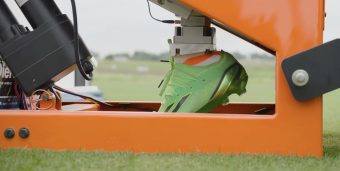
Sorochan's team introduced an innovative device called fLEX, a kicking simulator equipped with a 3D-printed foot and a special football boot embedded with high-precision sensors. Mounted on wheels, the robot can move around the pitch, collecting data from various high-traffic areas. According to the University of Tennessee system, the fLEX device replicates player-turf interactions, providing objective measurements of agronomic conditions and pitch performance. It generates data on surface behavior, helping turf managers make decisions regarding player safety and surface quality.
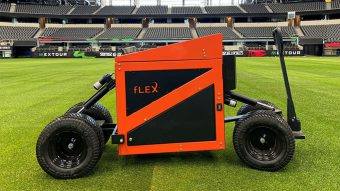
According to the Knoxville News Sentinel, the fLEX robot, which simulates the kicking and movement of a 165-pound player, takes approximately 40 minutes to collect data from 77 zones. Each of the 16 stadiums used for the 2026 World Cup was tested using the fLEX robot.
This article is compiled by Wedoany. All AI citations must indicate the source as "Wedoany". If there is any infringement or other issues, please notify us promptly, and we will modify or delete it accordingly. Email: news@wedoany.com
Related Products

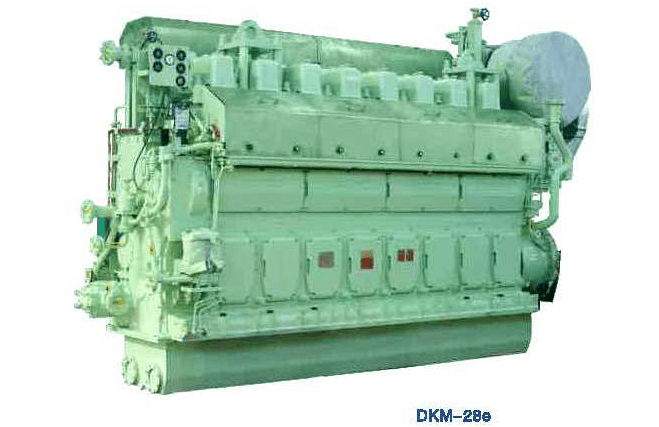

CAP1400 main feedwater flow nozzle flowmeter.
Jiangsu Hongda Instrument Technology Co., LTD.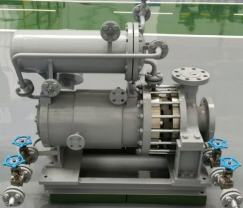
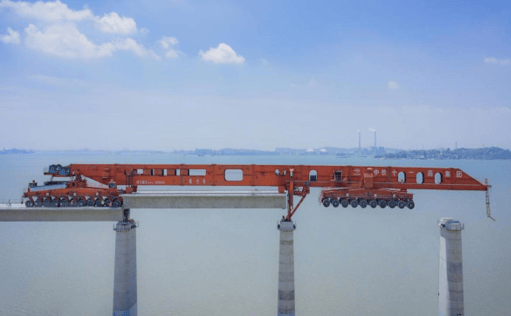
High-Speed Railway Lifting, Transporting, and Erecting Equipment: Integrated Transport and Erection Machine
Hanjiang Heavy Industry Co., Ltd. of China Railway 11th Bureau Group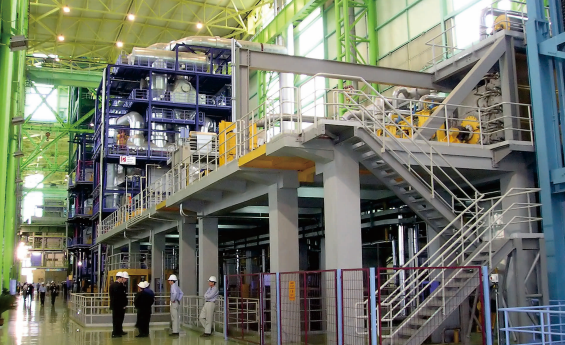
Strip Coating and Plating Production Line Equipment
MCC-SFRE HEAVY INDUSTRY EQUIPMENT CO., LTD.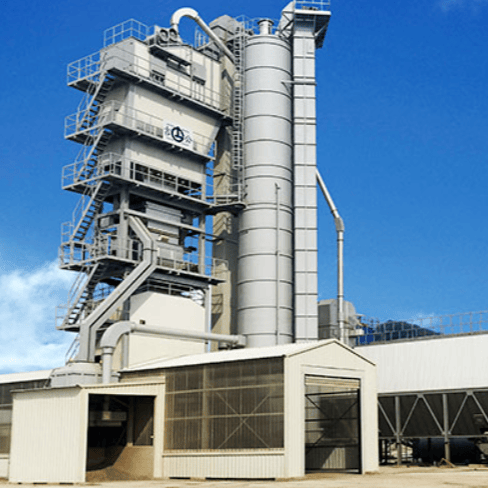
LBH4000 Batch Environmental Protection Asphalt Mixing Plant | Asphalt Batching Plant | Asphalt Mixing Plant
Jilin Province Road Construction Machinery Co., Ltd.
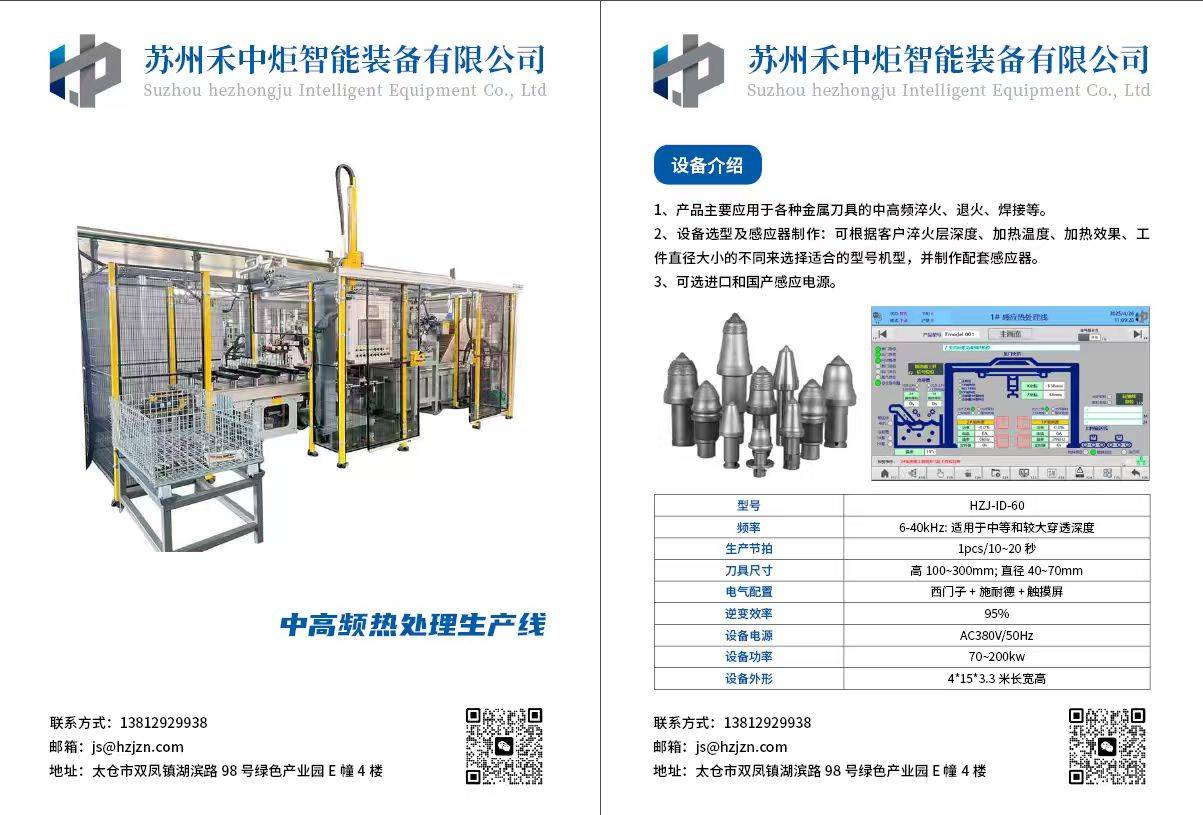
Excavator Bucket Teeth Heat Treatment Production Line
Suzhou Hezhongju Intelligent Equipment Co., Ltd.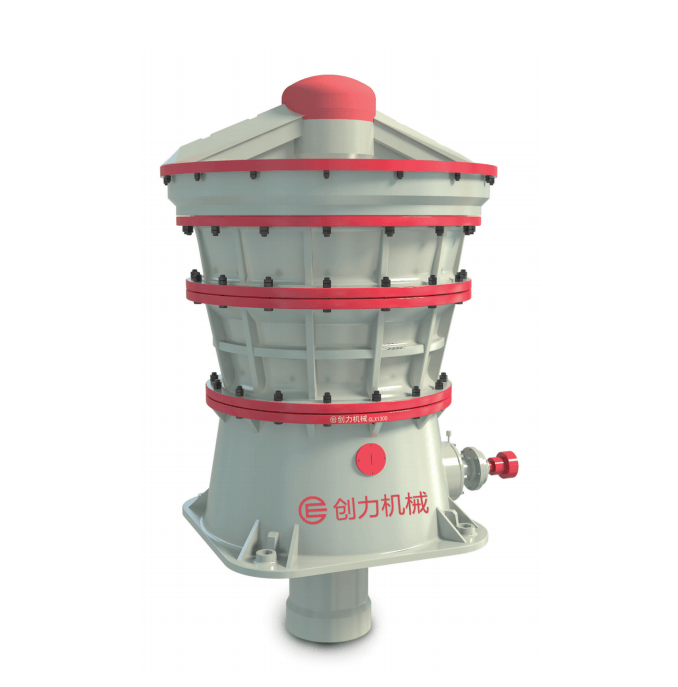
CLX Series Intelligent Hydraulic Gyratory Crusher
Guangdong CHUANGLI intelligent machinery Equipment Co., LTD

Pneumatic high-pressure wear-resistant ball valve
Zhejiang Deca Control Valve Meter Co., Ltd.