Large-Scale Deep-Sea Deployment! All 25 Goldwind 16.2MW Offshore Wind Turbines Hoisted!
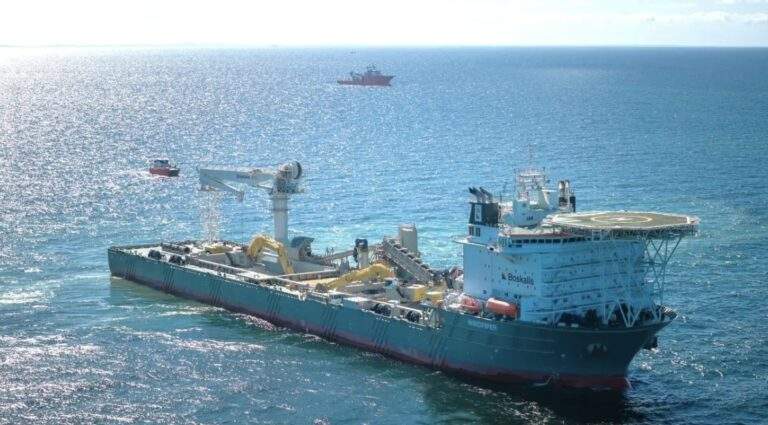
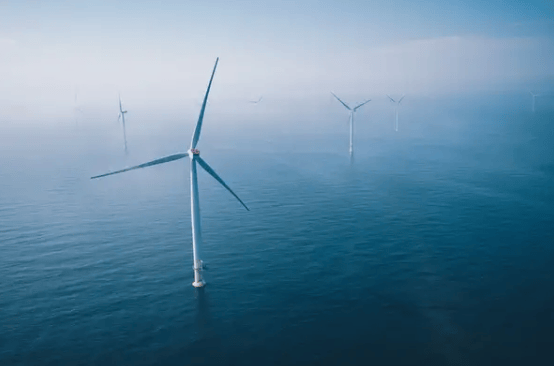
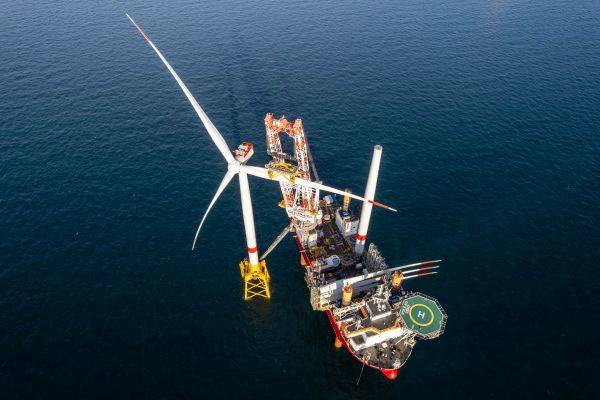
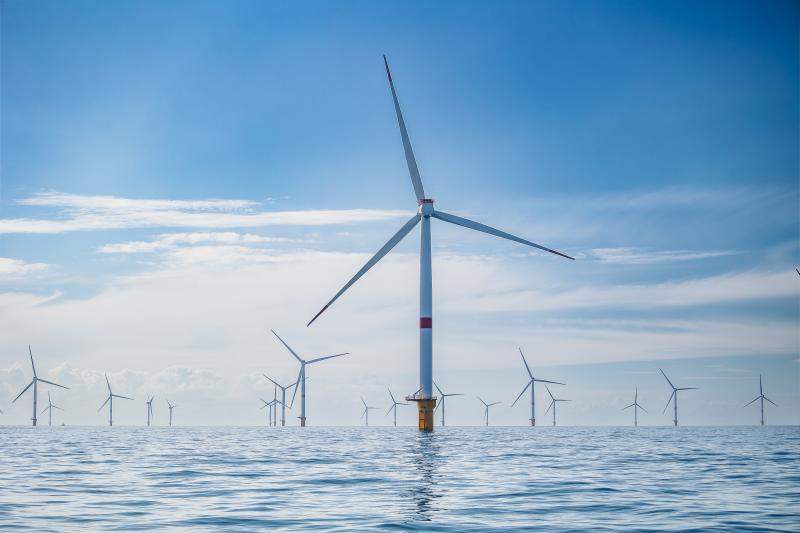
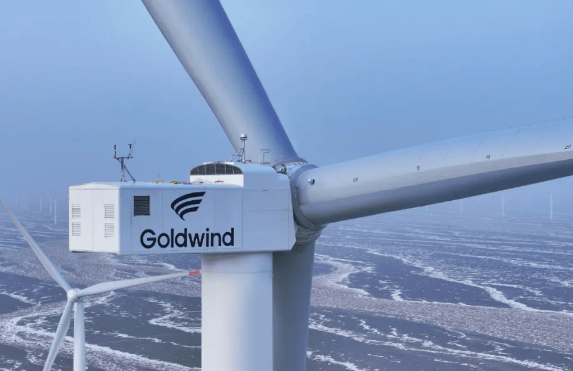
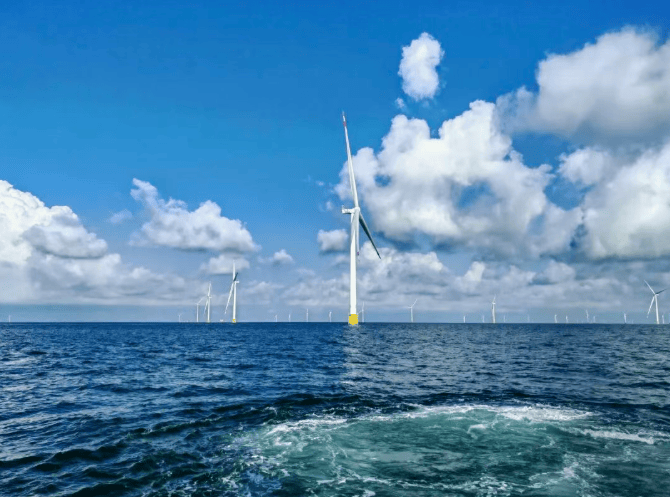
en.Wedoany.com Reported - Recently, the CGN Yangjiang FanShiEr Phase II Section 2 project completed full-site hoisting, with 25 Goldwind GWH266-16.2MW units deployed in batch. Once connected to the grid, the 25 units are expected to generate a total of 14.1 billion kWh annually, continuously supplying stable and clean electricity to the Guangdong-Hong Kong-Macao Greater Bay Area. This marks another large-scale validation of Goldwind's 16MW+ units in complex deep-sea environments.
Prototype Stable for 15 Months, Batch Delivery Advances Further
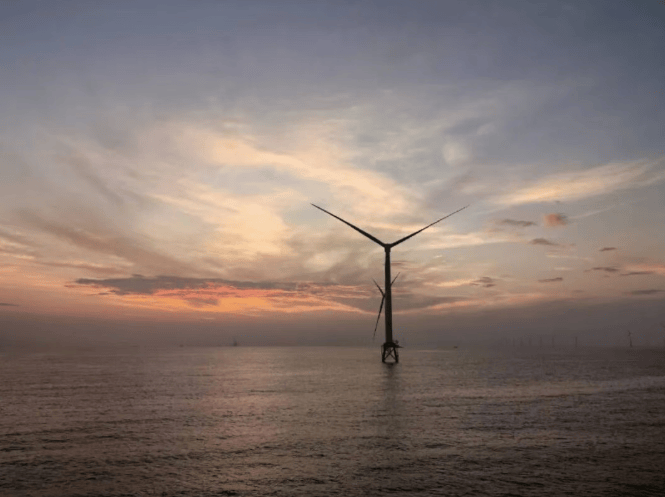
The project site is located in the sea area south of Nanpeng Island, Yangjiang City, Guangdong Province, with the nearest point approximately 70 kilometers from the shore, water depths ranging from 46 to 53 meters, frequent strong typhoons, severe high-salt fog corrosion, and short operational windows—typical of complex deep-sea environments.
The GWH266-16.2MW units applied in this batch are an upgraded version based on the world's first 16MW unit. It increases the rotor diameter from 252 meters to 266 meters, boosting the swept area by approximately 11%, which can enhance annual power generation by about 6% under the same site conditions. In the same sea area, fewer turbine positions yield higher power output, reducing BOP costs such as foundations, submarine cables, and construction, thereby improving overall project returns. The prototype of this model was commissioned in April 2025 and has been operating stably for over 15 months, providing verifiable operational data for batch application and unlocking greater commercial value.
Batch application marks a technology's transition from the lab to scalable replication and delivery capability. Since the debut of Goldwind's 16MW-class units in 2023, the first national batch application of 16MW-class offshore wind turbines was achieved in Zhangpu, Fujian Province in 2024. To date, Goldwind has fully grid-connected over 45 offshore wind turbines of 16MW and above, with a cumulative grid-connected capacity approaching 750 MW. From Zhangpu to Yangjiang, from the first unit to batch delivery—shorter delivery cycles and lower batch costs are key prerequisites for the adoption of ultra-large capacity models in more deep-sea projects.
Simultaneous Testing, Validation, and Industrialization Preparation: The Key to Batch Production
This rapid transition from the first unit to batch production is underpinned by a method of design iteration driven by measured data:
During the design phase, simulation teams use thousands of hours of operational data accumulated from 16MW units to simulate wind impact and structural stress under extreme sea conditions like typhoons, verifying the strength and durability of blades, towers, and foundations under long-term wind and wave action, thereby locking in the safety margins of the design. In the actual validation phase, 130-meter carbon fiber blades first undergo full-scale static and fatigue testing, while the complete turbine undergoes long-term measurement of over ten key indicators—including stability, dynamic characteristics, vibration, and temperature—at onshore testing facilities, using real physical tests to validate simulation conclusions, with approximately 80% of design risks identified and eliminated in advance. After the prototype is commissioned, the team continuously collects real operational data to dynamically optimize control strategies and load distribution.
More critically, testing and validation proceed in parallel with industrialization preparation—component process finalization, supplier selection, and production line setup are initiated during the testing phase. Once the design is frozen, it can be quickly dispatched to the production line, significantly compressing the transition cycle from prototype to batch production.
The recently issued "Renewable Energy Development 15th Five-Year Plan" specifies that during the 15th Five-Year Plan period, the national newly started offshore wind power construction scale will be around 100 GW, with cumulative installed capacity exceeding 100 GW by 2030. Achieving this goal requires more units like the GWH266-16.2MW, which have undergone long-term validation and possess batch delivery capabilities.
Related Products
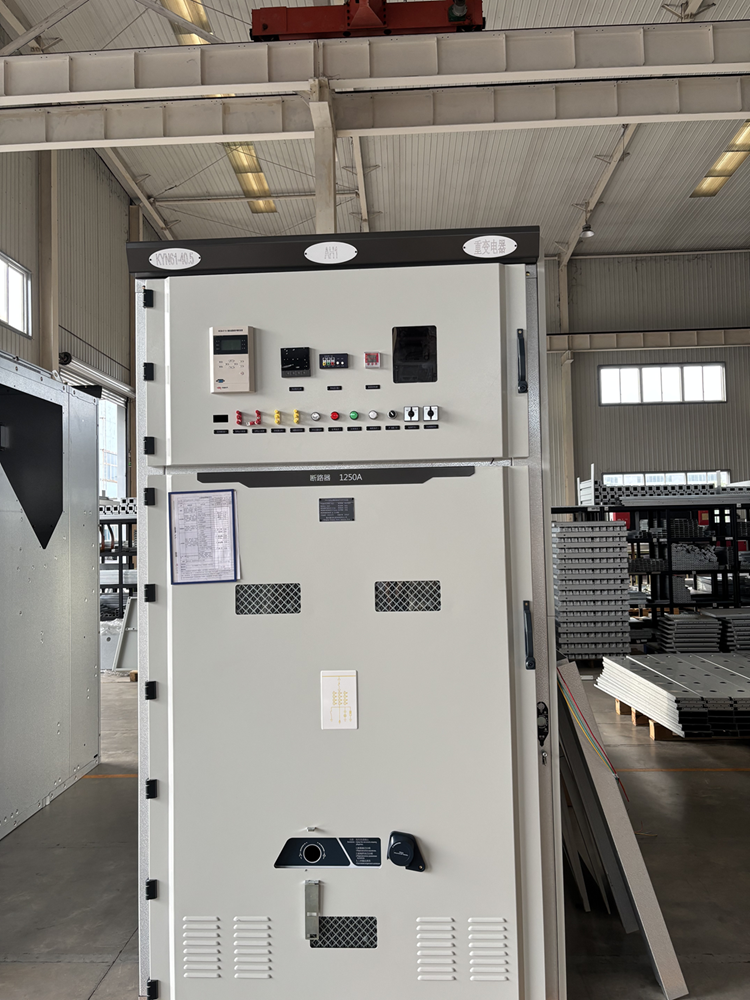

KYN61-40.5 Indoor AC Metal-clad Removable Switchgear
Chongqing Transformer Co., Ltd.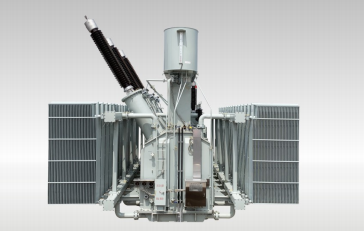
220kV and Below Voltage Level Energy-saving Oil-immersed Power Transformers
FuZhou TianYu Electric Co., Ltd.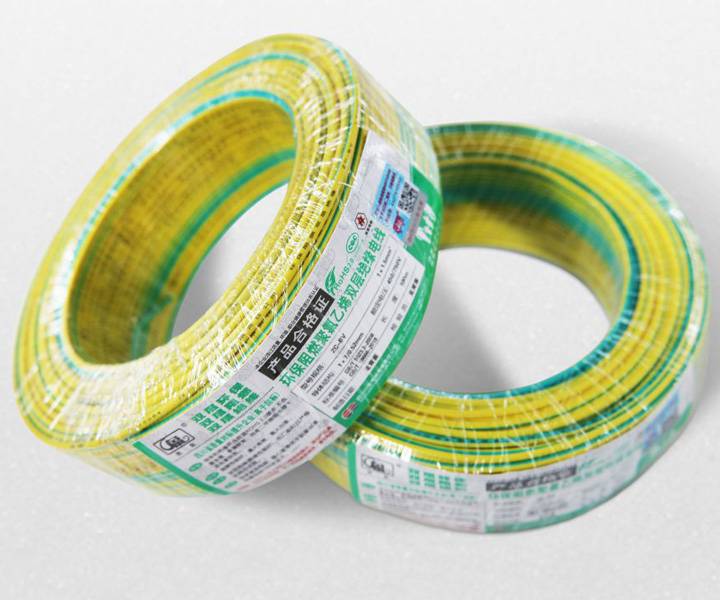
Environmentally Friendly Flame-retardant PVC Double-layer Insulated Wire
Sichuan Chndo Cable Co., Ltd.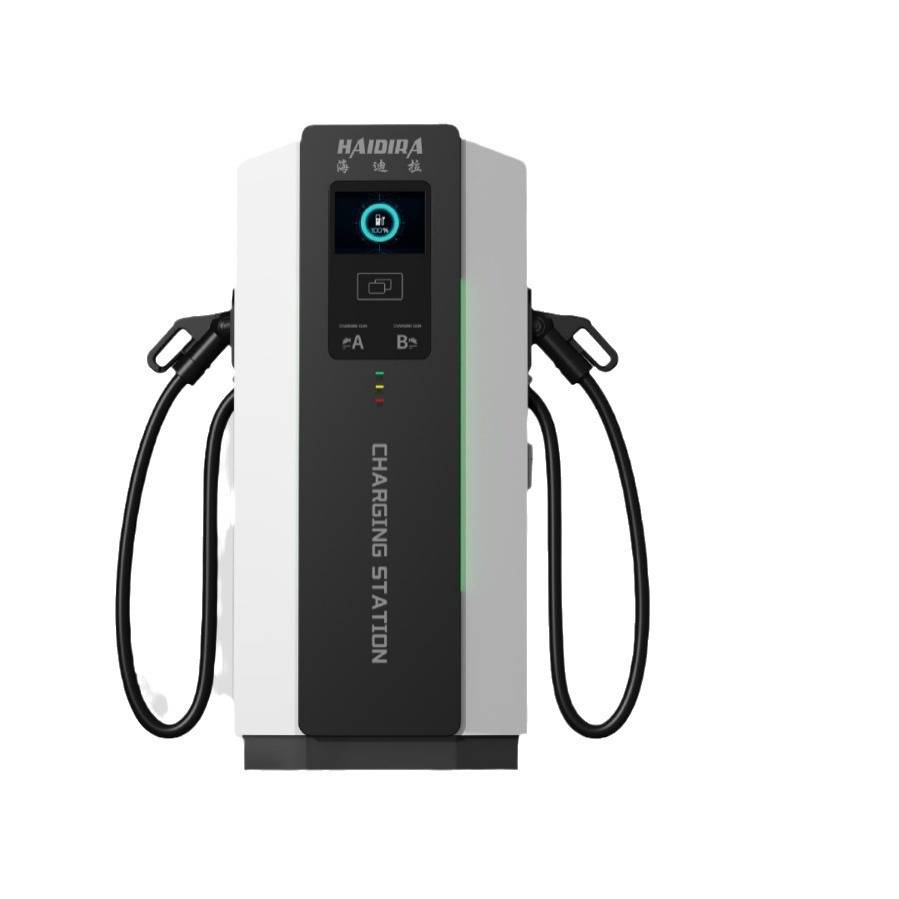
Manufacturer Direct Sales Tesla New Energy Electric Vehicle Universal DC 180kW Dual-gun Charging Pile Commercial Fast Charger
Anhui Haidira Electric Technology Co., Ltd.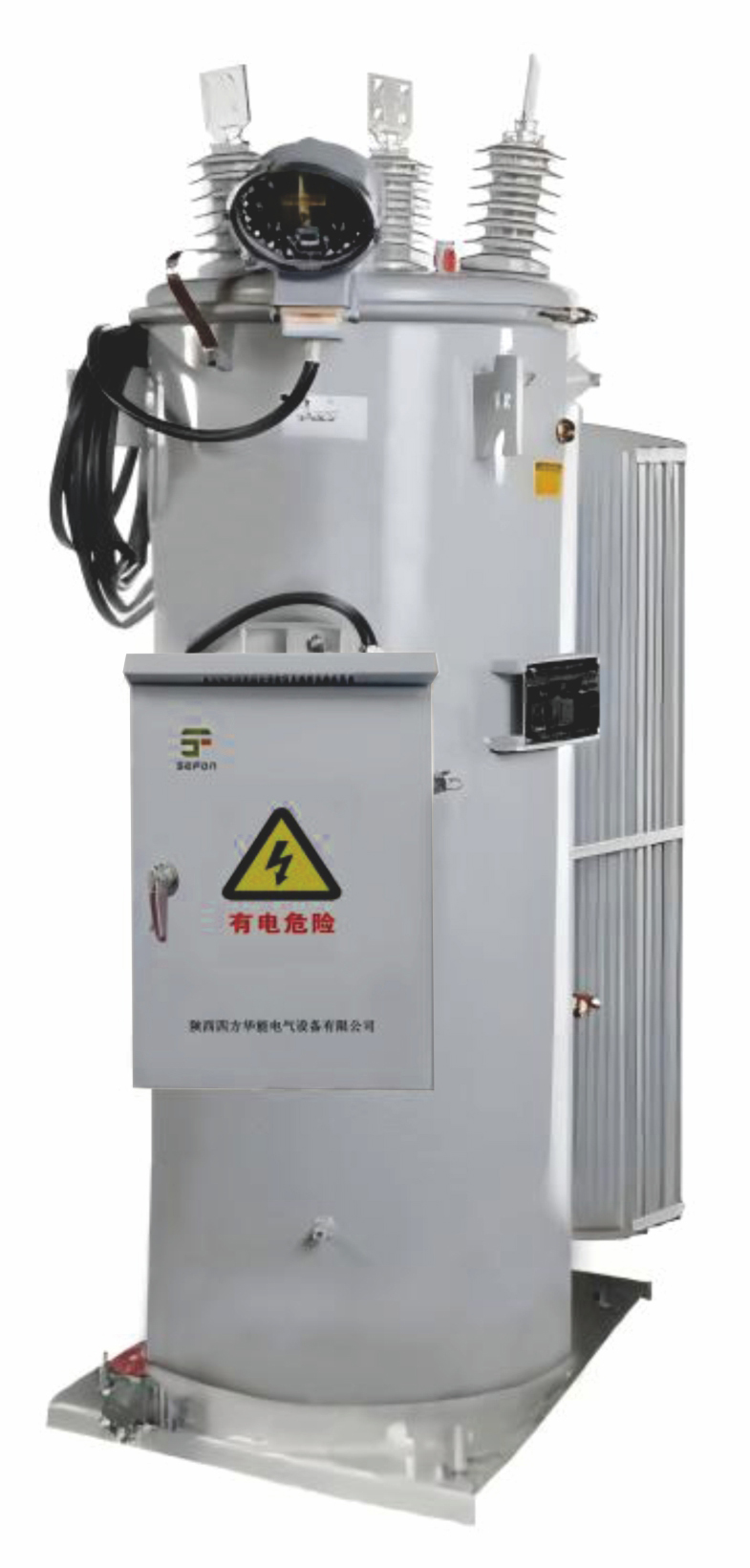
Single-Phase Automatic Voltage Regulator(AVR)
Shaanxi Sefon Electrical Equipment Co.,Ltd.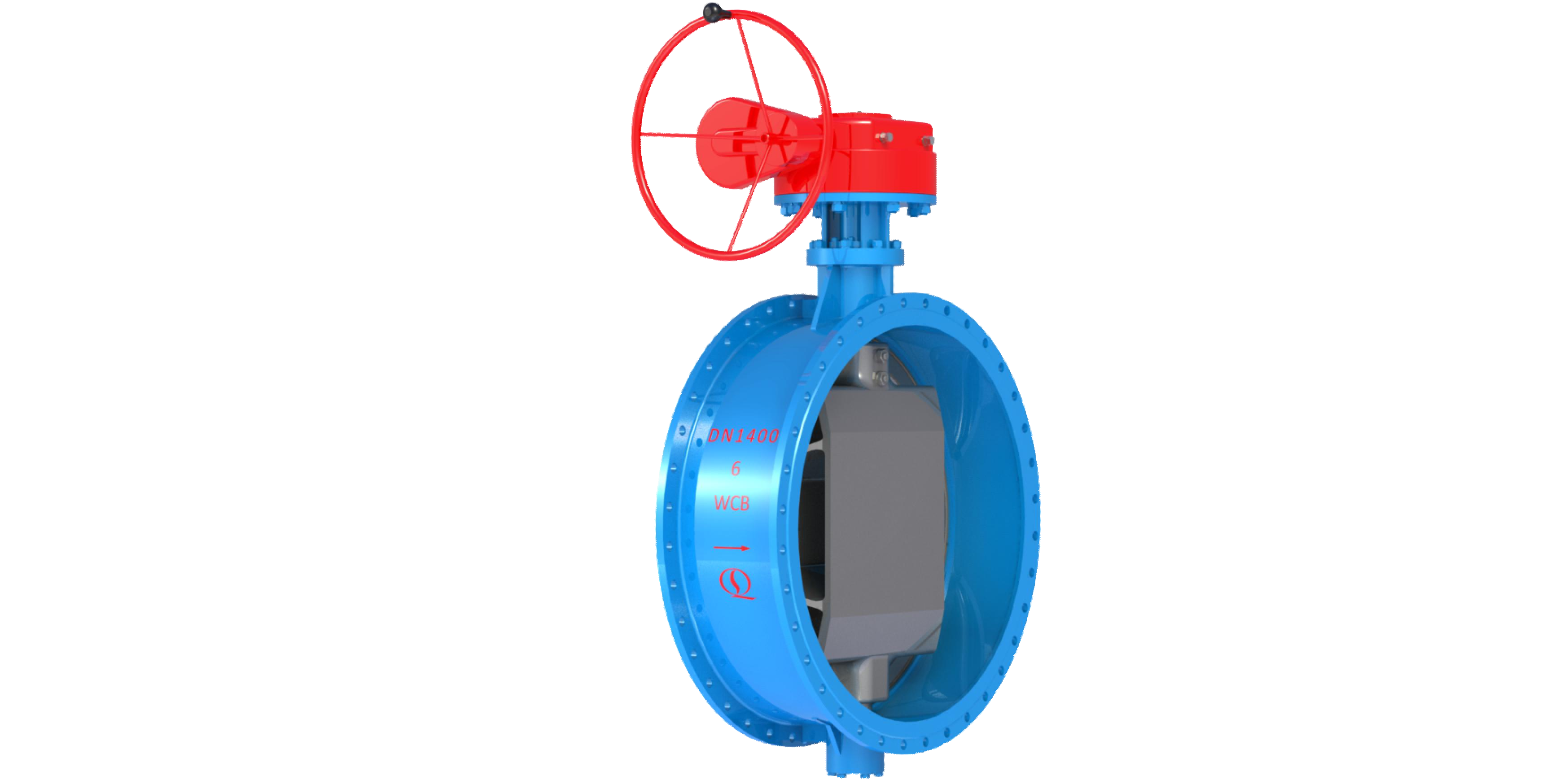
Bidirectional Metal Hard Sealed Seawater Butterfly Valve
Henan Quanshun Flow Control Science & Technology Co., Ltd.