Turkey Plans to Invest $200 Billion in Energy by 2035
en.Wedoany.com Reported - According to the "2026 Energy Industry Report" jointly prepared by the Investment and Finance Office of the Presidency of Turkey and APLUS Energy Consulting, to achieve its 2035 energy development goals, Turkey's total financing needs in areas such as wind power, solar PV, nuclear power, and electrification infrastructure are estimated at approximately $200 billion, of which about $80 billion will be used to enhance power system flexibility, advance grid modernization, and expand transmission and distribution infrastructure.
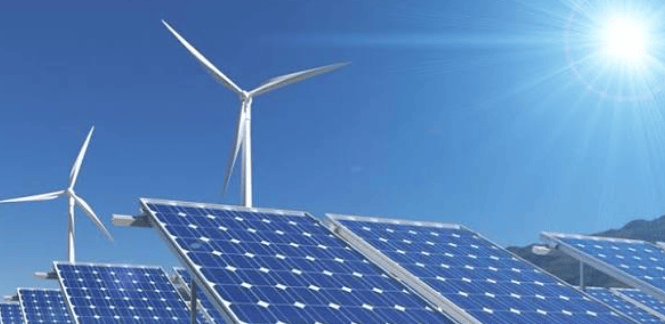
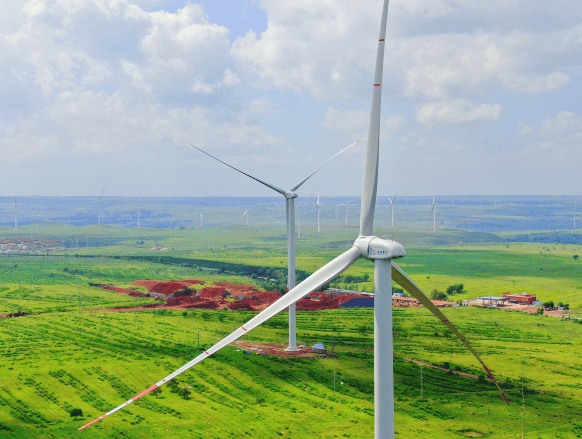
Turkey plans to increase its combined installed capacity of wind and solar power to 120 GW by 2035. Under this target, approximately 8–9 GW of new wind and solar capacity will need to be added each year in the future. According to energy investment materials published by the Investment and Finance Office of Turkey, the country is simultaneously advancing energy storage-integrated renewable projects, transmission network upgrades, nuclear power construction, and renewable energy auction projects, with grid investment to proceed in parallel with new generation capacity.
Growth in electricity demand constitutes an important basis for this investment calculation. Relevant energy plans project that Turkey's national electricity consumption will grow from approximately 359–380 TWh in 2025 to about 455 TWh in 2030, and reach approximately 510 TWh by 2035. As new wind, solar, and nuclear units are connected to the grid, transmission, distribution, and system regulation capabilities have become infrastructure segments with relatively large investment scales.
The Ministry of Energy and Natural Resources of Turkey previously disclosed that electricity infrastructure investment needs by 2035 will be approximately $80 billion, covering transmission, distribution, and grid systems. Long-term transmission construction also includes expanding the high-voltage transmission network, enhancing the capacity to deliver power from concentrated renewable energy development areas to load centers, and strengthening cross-regional and cross-border power exchange capabilities. Energy Minister Alparslan Bayraktar stated that achieving the 2035 electrification goals requires the simultaneous construction of power infrastructure capable of accommodating new renewable energy and nuclear capacity.
Energy storage has already formed a relatively large project pipeline. As of early 2026, Turkey had 372 solar PV projects equipped with energy storage that obtained preliminary licenses, corresponding to approximately 14.3 GWh of energy storage capacity; another 252 wind power projects entered the preliminary licensing stage, corresponding to approximately 19.7 GWh of energy storage capacity. According to information published by the Investment and Finance Office of Turkey, battery-paired wind and solar projects currently in the preliminary licensing stage have a combined generation capacity of approximately 33 GW.
Nuclear power is also an important component of energy capital expenditure before 2035. The Akkuyu Nuclear Power Plant currently under construction is planned to have 4 units of 1,200 MW each, with a total installed capacity of 4.8 GW. Turkey also plans to advance new large-scale nuclear power projects in the Sinop and Thrace regions, and has proposed increasing total nuclear power installed capacity, including large nuclear power plants and small modular reactors, to at least 20 GW by 2050, with a target scale of approximately 5 GW for small modular reactors.
Renewable energy development will continue to release new capacity through mechanisms such as Renewable Energy Resource Areas (YEKA). The report also lists offshore wind power, energy storage, charging infrastructure, and electricity market mechanisms as subsequent investment areas, and incorporates the DÜRES-2026 offshore wind project advancement arrangements. Wind power, solar PV, battery energy storage, hydropower, geothermal, biomass, and green hydrogen are listed as the seven key energy technologies for priority assessment.
Electric vehicle infrastructure demand has also been incorporated into energy investment calculations. According to scenario projections by the Energy Market Regulatory Authority of Turkey, under a high-growth scenario, Turkey's electric vehicle fleet could reach approximately 7 million by 2035, and corresponding charging facilities, power distribution network expansion, and load management systems will enter a synchronized construction cycle.
Related Products
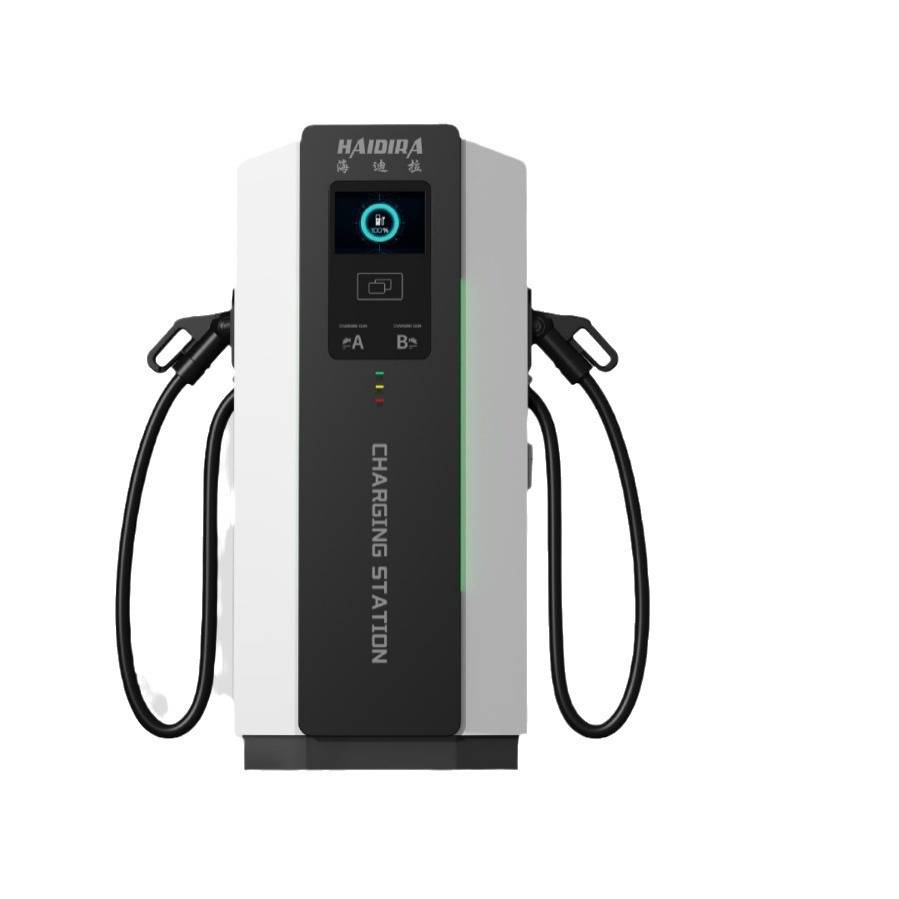

Manufacturer Direct Sales Tesla New Energy Electric Vehicle Universal DC 180kW Dual-gun Charging Pile Commercial Fast Charger
Anhui Haidira Electric Technology Co., Ltd.
Quick-Change Single-Seat Control Valve / Quick-Change High-Pressure Single-Seat Control Valve
Beijing Consen Automation Technology Co., Ltd.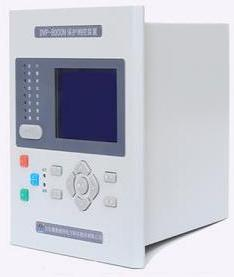
Microcomputer Protection and Substation Automation
Beijing Agent Devote Power Technology Development Co., Ltd.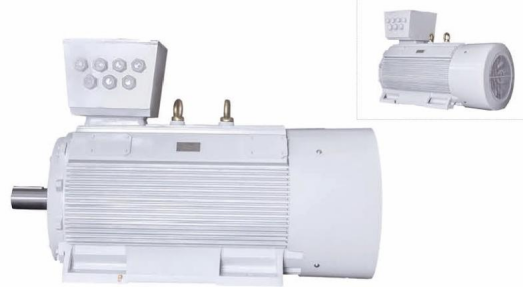
YE3 Series Low Voltage High Power Three-Phase Asynchronous Motor
Shandong Lijiu Electrical Machinery Co., Ltd.

Hydraulic Turbine Genset
Dongfang Electric Corporation Dongfang Electric Machinery Co., Ltd.

Ultrasonic Wind Speed and Direction Instrument
Kingmach Measurement & Monitoring Technology Co., Ltd.