Hoisting in Place! Global Largest "Artificial Sun" Core Module Installation Progress Exceeds Two-Thirds
en.Wedoany.com Reported - On July 28, local time in France, the sixth vacuum vessel sector module of the International Thermonuclear Experimental Reactor (ITER) tokamak device—Sector Module 1—was successfully hoisted and precisely positioned. This brings the assembly progress of the ITER vacuum vessel modules to over two-thirds. As the overall assembly enters a new phase of multi-disciplinary cross-construction, the CNNC Engineering consortium led the coordination of the international team to complete this critical hoisting, laying a solid foundation for subsequent assembly tasks while fully demonstrating the cross-cultural project management and coordination capabilities of the Chinese team in this international mega-science project.
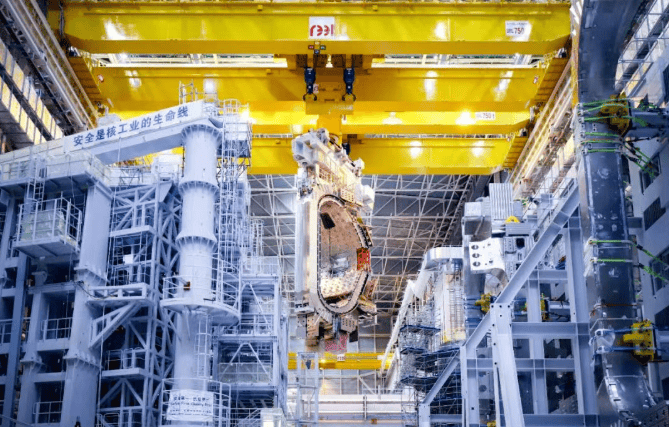
The vacuum vessel is a core component of the tokamak device, assembled by sequentially installing and connecting nine large sector modules. Each module requires transport, lifting, insertion into the pit, rotation, and millimeter-level positioning under complex spatial and interface conditions, posing high challenges in construction organization and requiring extensive multidisciplinary coordination. As the workspace within the pit becomes increasingly congested, multiple critical tasks are progressing in parallel, demanding higher standards for work window scheduling, equipment status confirmation, technical interface alignment, and on-site resource allocation.
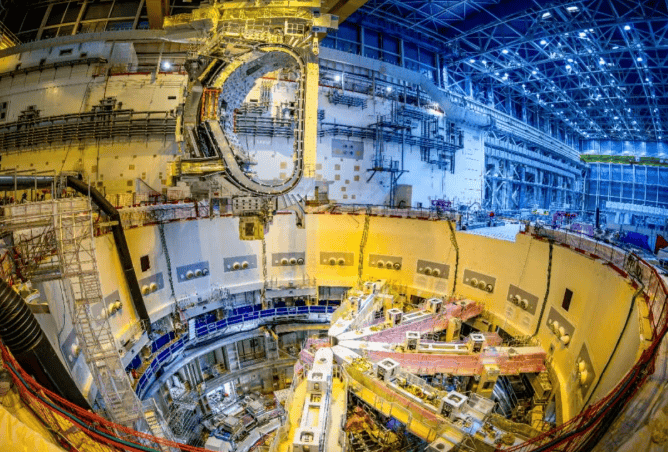
Facing complex working conditions, the CNNC Engineering consortium maintained efficient coordination with the ITER Organization, various partners, and the European local supply chain. In response to issues such as equipment status, system integration, spatial cross-interference, and changing construction conditions, all parties conducted timely assessments, rapid responses, and collaborative decision-making to ensure effective linkage of all processes. Thanks to thorough preliminary preparations, standardized process control, and efficient collaboration among all personnel, the nearly 30-hour continuous operation—from hoisting in the assembly hall, rotating the module into the tokamak pit, to final precise positioning—achieved zero safety incidents and zero quality issues, fully demonstrating the rigorous and efficient collaborative capabilities of the consortium team.
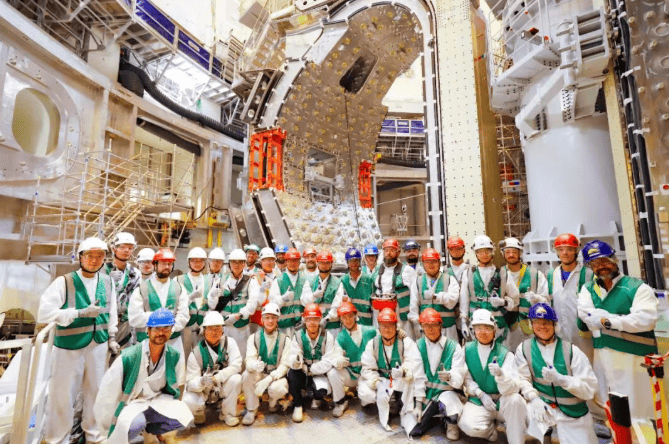
Going forward, the CNNC Engineering consortium will continue to focus on key ITER project milestones, deepen international collaboration, strengthen overall planning, technical coordination, and risk prevention, and fully advance the installation of remaining sector modules and related assembly tasks, continuously contributing Chinese strength to the construction of the ITER project.
Related Products
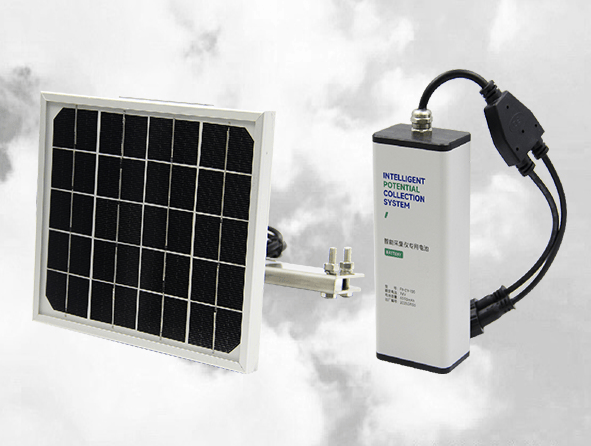

Inductive Power Harvesting Self-Powered Device - Safuneng
SELF ENERGY TECHNOLOGY (SHENZHEN) CO., LTD.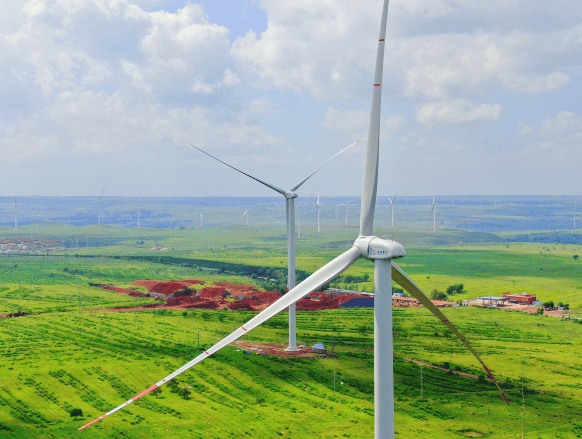
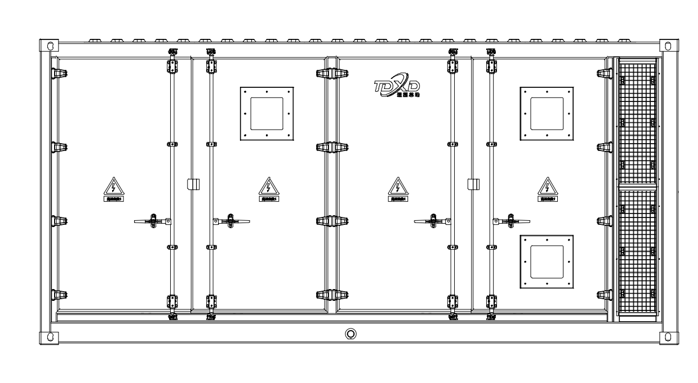
5012kWh DC Energy Storage System TD-EES-5012kWh
Suzhou Tongding Xindong Energy Storage Technology Co., Ltd.
Optional Accessory - Auxiliary Sampling Module
Beijing Soaring Electric Technology Co., Ltd.

Prefabricated Houses and Electrical Energy Boxes
Chengdu Ruilong Machinery Manufacturing Co., Ltd.
72.5kV 1250A 31.5kA SF6 free Gas-insulated Metal-enclosed Switchgear
Zhejiang Juhonkia Intelligent Electric Co., Ltd.