April 2026 China Aluminum Smelting Industry Prosperity Index at 69.9, Entering the "Slightly Overheated" Range
en.Wedoany.com Reported - The monitoring model results of the China Aluminum Smelting Industry Monthly Prosperity Index show that in April 2025, the China Aluminum Smelting Industry Prosperity Index was 69.9, up 2.6 points from March, entering the "slightly overheated" range. The Leading Index was 68.1, up 0.4 points from March; the Coincident Index was 220.5, up 27.1 points from March.
In April, among the 10 indicators constituting the industry prosperity index, 9 were in the "normal" range, with only the London Metal Exchange (LME) aluminum settlement price index being in the "slightly overheated" range. The Leading Index is composed of leading indicators such as LME aluminum price, M2, total smelting investment, commercial housing sales area, and power generation. Its rise indicates that the short-term operation of the aluminum smelting industry is stabilizing and improving. Driven by factors such as rising LME aluminum prices, a stable monetary environment, steady smelting investment, and marginal improvement in downstream demand, the industry's future operation is expected to remain robust.
Analysis of sub-indicators shows that international aluminum prices maintained an upward trend with significant increases. The LME aluminum settlement price index was 151.8, up 47.8 points from March, entering the "slightly overheated" range. The sharp rise in aluminum prices was mainly driven by a combination of factors, including production cuts and shutdowns at core aluminum plants due to geopolitical conflicts in the Middle East, significantly tightening global supply, rising energy prices, slow recovery of overseas production capacity, low inventory levels, and robust downstream demand from sectors like new energy, resulting in a tight supply-demand balance.
Money supply slightly declined but remained stable. The M2 (Money Supply) index was 48.2, down 2.3 points from March, still within the "normal" range overall. Smelting investment declined, with the total investment index at -41.5, down 17.1 points from March, mainly because the industry's capacity is approaching the "ceiling," the pace of investment has slowed, and enterprises are focusing more on stock optimization and technological transformation. The real estate market continued to recover, with the commercial housing sales area index at -10.9, up 11.7 points from March, entering the "normal" range. The power generation index slightly rebounded to 42.4, up 5 points from March, reflecting the continued recovery of downstream production. Electrolytic aluminum production decreased slightly from March, with the production index at 12.9; alumina production increased slightly, with the production index at 1.2, up 1.5 points from March. Both are in the "normal" range, indicating that the overall production pace of the aluminum smelting industry remains stable.
Enterprise main business revenue and profits increased simultaneously. The main business revenue index was 15, up 9.7 points from March; the total profit index was 369.6, up 72.8 points from March, both in the "normal" range, indicating a significant enhancement in corporate profitability. The aluminum product export indicator recovered, with the total export volume index at 24.2, up 1.4 points from March, in the "normal" range, indicating an improvement in the export environment.
In summary, the prosperity of China's aluminum smelting industry continued to rise in April, with the prosperity index increasing to 69.9 and entering the "slightly overheated" range, while the Leading Index and Coincident Index rebounded simultaneously. Internationally, geopolitical conflicts in the Middle East led to production cuts and shutdowns at local mainstream aluminum enterprises, coupled with high energy prices, slow recovery of overseas production capacity, and persistently low social inventories, significantly tightening global aluminum supply and driving a sharp increase in LME aluminum prices. Domestic monetary policy remained prudent, and M2 remained stable, creating a favorable monetary and financial environment for industry development. Demand-side improvement was evident, with the real estate market gradually recovering and commercial housing sales prosperity returning to the "normal" range for the first time; power generation rebounded, and demand from sectors like new energy remained robust, supporting the growth of domestic aluminum consumption. On the supply side, domestic electrolytic aluminum capacity is approaching the policy "ceiling," industry smelting investment has declined, and the focus of enterprise development has shifted to stock optimization and upgrading; the overall production pace is stable, with electrolytic aluminum production slightly declining and alumina production steadily rising. Driven by the dual forces of sharply rising aluminum prices and continued recovery in downstream demand, the revenue and profitability levels of aluminum enterprises have significantly improved, the export environment for aluminum products has continued to improve, and the industry as a whole is showing a positive trend of tight supply-demand balance and improving efficiency.
Notes: The Aluminum Smelting Industry Prosperity Leading Composite Index (Leading Index) is composed of 5 indicators: LME aluminum settlement price, M2, total fixed asset investment in aluminum smelting projects, commercial housing sales area, and power generation, used to judge recent trends. The Coincident Composite Index (Coincident Index) is composed of 5 indicators: electrolytic aluminum production, alumina production, operating revenue of aluminum smelting enterprises, total profit of aluminum smelting enterprises, and total export volume of aluminum products, reflecting the current operating status. The Lagging Composite Index (Lagging Index) is composed of 3 indicators: current capital balance, accounts receivable balance, and finished goods capital balance of aluminum smelting enterprises, used together with the coincident indicators to monitor change trends. The Comprehensive Prosperity Index is composed of the aforementioned 10 indicators, classifying economic operation status into 5 levels: "Red Light" (economic overheating), "Yellow Light" (slightly overheated economy), "Green Light" (normal economic operation), "Light Blue Light" (slightly cooling economy), and "Blue Light" (economic overcooling). All indicators used in compiling the index are seasonally adjusted to remove seasonal factors. The previous monthly prosperity indices are revised each month.
This article is compiled by Wedoany. All AI citations must indicate the source as "Wedoany". If there is any infringement or other issues, please notify us promptly, and we will modify or delete it accordingly. Email: news@wedoany.com
Related Products
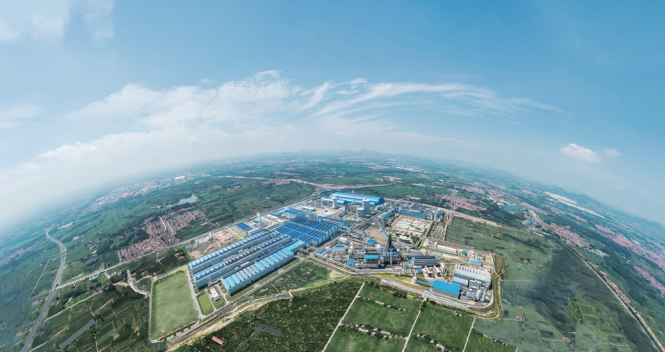

Linyi Steel Investment Special Steel 2.7 Million Tons per Year High-quality Special Steel Project
Capital Engineering & Research Incorporation Limited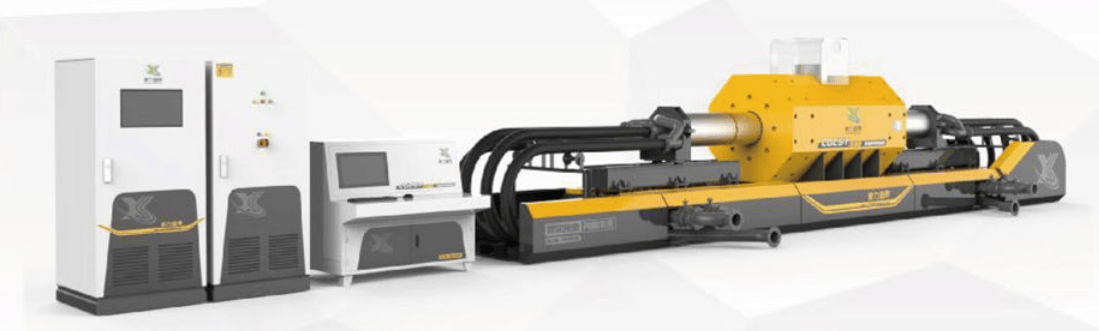
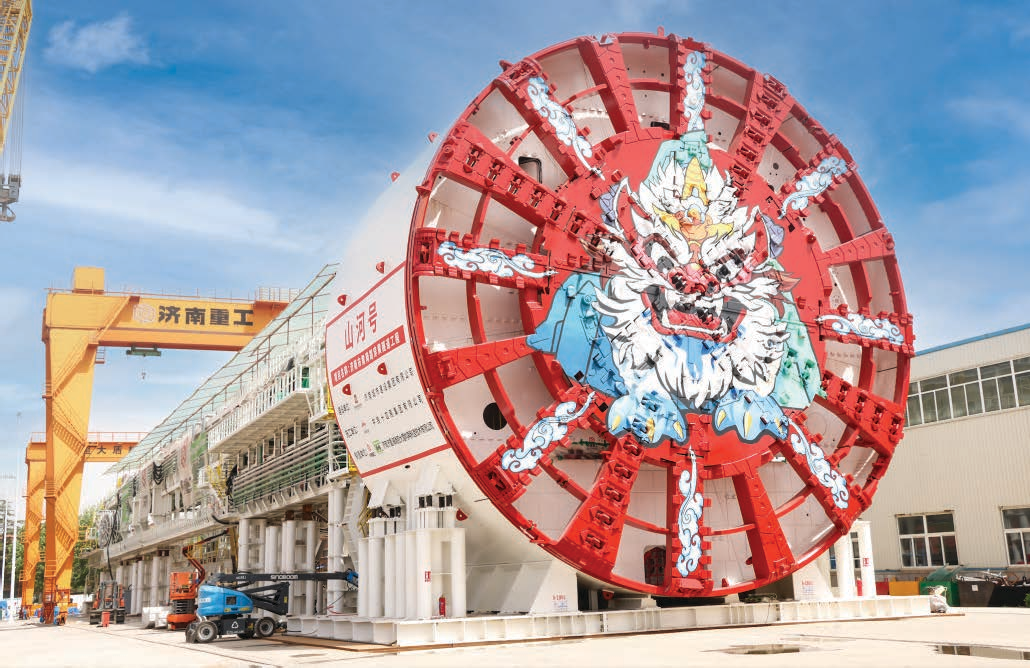
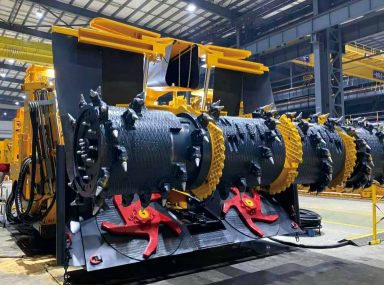
Integrated Excavation and Anchoring Machine (EJM Series)
China Railway Construction Heavy Industry Corporation Limited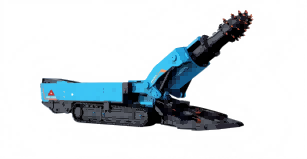


Industrial and Commercial Point-Type Gas Detector
Jinan Benan Technology Development Co., Ltd.