UNEP 2026 Report Warns: Global Building Decarbonization Slows, Sector Accounts for 37% of Emissions
en.Wedoany.com Reported - The United Nations Environment Programme (UNEP) and the Global Alliance for Buildings and Construction (GlobalABC) warn in the newly released "Global Status Report for Buildings and Construction (2025–2026)" that the decarbonization process in the global buildings and construction sector is significantly slowing down, exacerbating climate risks, energy vulnerability, and pressure on housing affordability. Released on May 19, 2026, this tenth edition of the series assesses the sector's progress towards achieving net-zero emissions by 2050 through policy, finance, technology, and investment indicators.
The report shows that the buildings and construction sector currently accounts for 37% of global greenhouse gas emissions, 28% of global energy consumption, and nearly half of global material extraction. The pace of urban expansion is equally striking—the world adds approximately 12.7 million square meters of new floor area daily, almost equivalent to building a new Paris every week. In 2024, total global building floor area grew by 1.7%, reaching 273 billion square meters, with growth primarily driven by rapid construction in emerging economies such as India and Southeast Asia.
UNEP Executive Director Inger Andersen noted that buildings play a central role in both climate risks and climate solutions. "Buildings either lock in climate risks or provide safer, healthier, and more affordable living conditions." She emphasized that, given half of the world's buildings are expected to be built or renovated by 2050, governments can accelerate zero-emission and climate-resilient construction by strengthening regulations, investments, and building standards.
The report also lists positive developments since 2015: global building energy intensity has decreased by 8.5%, and the number of green building certifications has nearly tripled worldwide. Energy efficiency investments reached $275 billion in 2024, with cumulative global investment totaling $2.3 trillion since 2015. However, UNEP warns that progress has slowed significantly since 2020, with the pace of green building transformation failing to keep up with accelerating construction growth. Currently, renewable energy meets only 17.3% of global building energy demand, far below the level needed to achieve net-zero targets. The report estimates that to align the sector with global climate goals, building energy efficiency investments need to reach $5.9 trillion by 2030, or approximately $592 billion annually.
The report also highlights positive case studies from multiple regions. The European Union has introduced policies addressing both operational and embodied emissions from buildings, while Japan and Switzerland have raised building energy efficiency standards. Australia, Germany, India, and Pakistan have made progress in deploying on-site renewable energy in buildings, and California, Kenya, Japan, and Singapore have updated their building energy codes. Furthermore, countries such as Bangladesh, India, Indonesia, Jordan, Ghana, and Senegal have developed national roadmaps to support the sustainable transformation of the buildings sector.
UNEP and GlobalABC stated they will continue to support governments through data improvement, policy guidance, and technical assistance, accelerating climate action in the building sector while addressing challenges of affordability and social equity.
This article is compiled by Wedoany. All AI citations must indicate the source as "Wedoany". If there is any infringement or other issues, please notify us promptly, and we will modify or delete it accordingly. Email: news@wedoany.com
Related Products
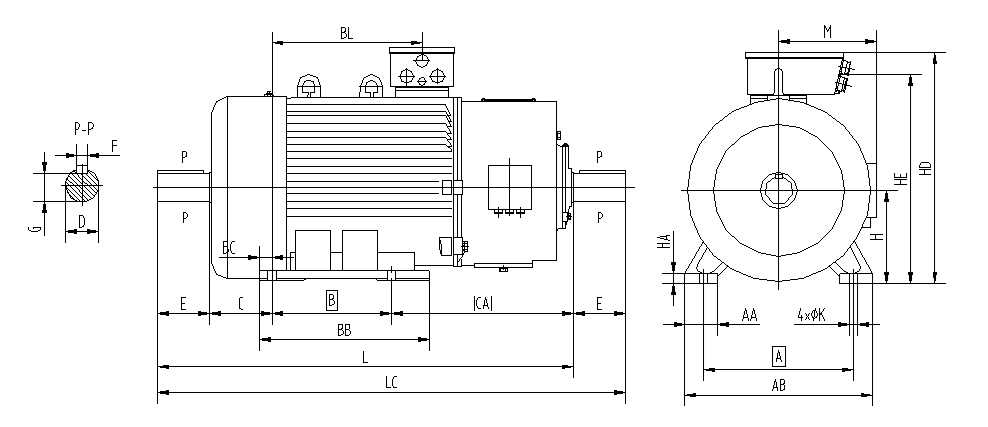

YZR (450-560) Series Wound Rotor Three-Phase Asynchronous Motors for Crane and Metallurgical Applications
Jiamusi Electric Machine Co., Ltd.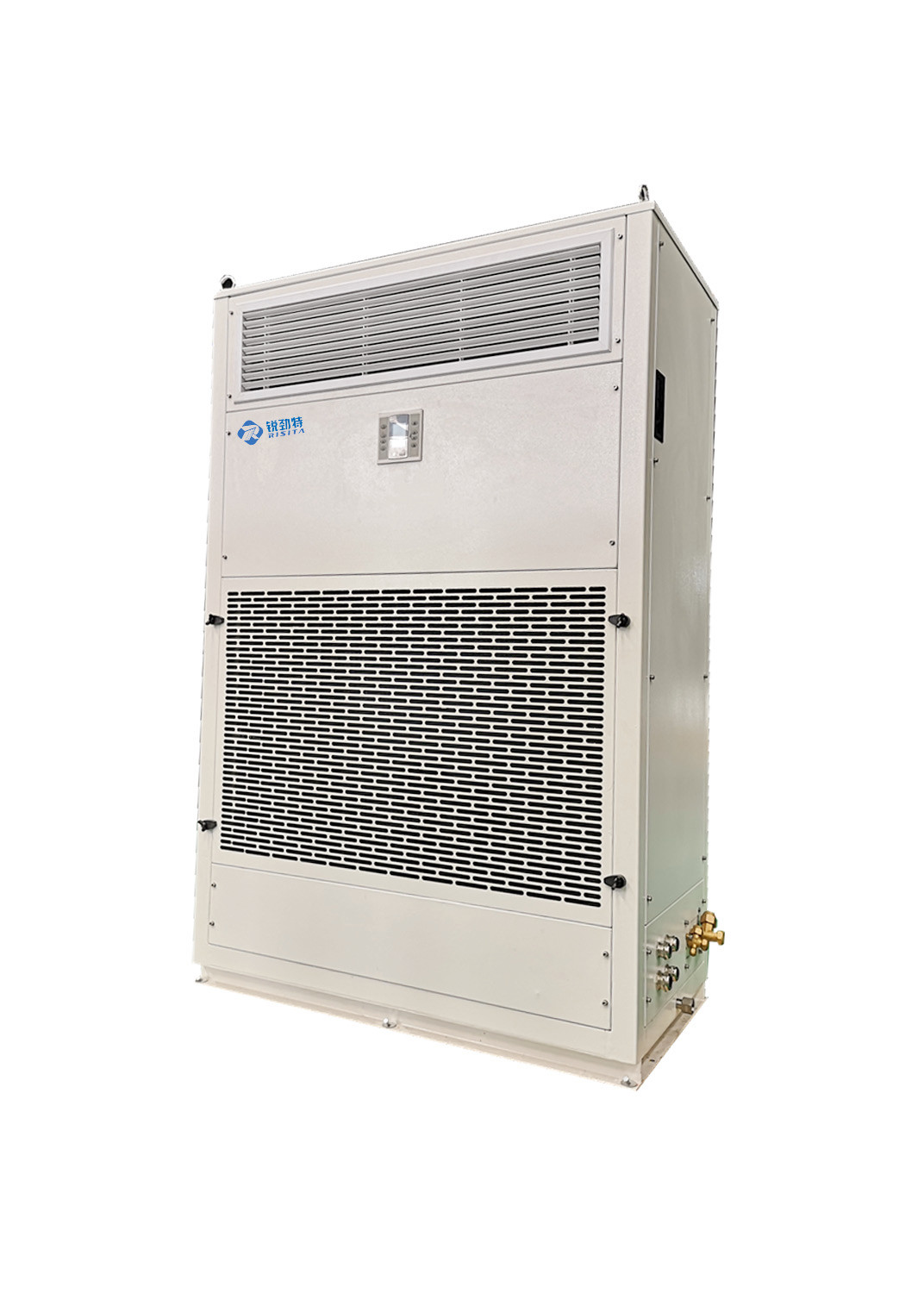
RISITA explosion-proof air conditioning
Guangdong RISITA Air Conditioning Equipment Co.,Ltd.


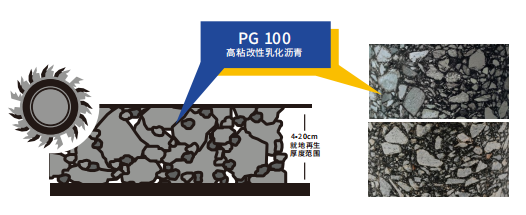
High-toughness in-Situ Cold Recycling Technology for Original Structural Layers
Central Fortune Creation Technology Group Co., Ltd.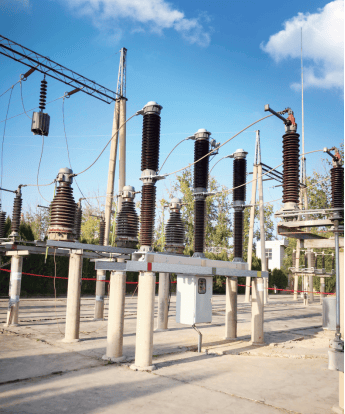
145kV Porcelain Column Type Sulfur Hexafluoride Circuit Breaker
TBEA ZONFA Shanghai High Voltage Switchgear Co., Ltd.