en.Wedoany.com Reported - ResMed, a U.S. sleep and respiratory health technology company, announced on June 1 that it has completed the acquisition of Noctrix Health, Inc. Noctrix Health is a developer of wearable therapeutic devices for chronic neurological disorders. Its Nidra Tonic Motor Activation (TOMAC) therapy will be integrated into ResMed's sleep health product portfolio, marking ResMed's expansion from sleep apnea devices into neuromodulation treatments for Restless Legs Syndrome.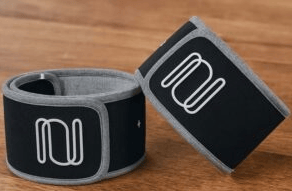
ResMed's core business has long focused on sleep apnea, chronic obstructive pulmonary disease (COPD), and home care settings, with a product portfolio including cloud-connected devices, digital health solutions, ventilators, masks, and care software. The acquired Noctrix Health, however, targets another sleep-related chronic condition: Restless Legs Syndrome (RLS). This condition causes nighttime leg discomfort, sleep disruption, and long-term decline in sleep quality, with treatment historically relying more on medication management. Noctrix Health's Nidra TOMAC therapy offers a non-invasive, non-pharmacological approach, using a wearable device for motor nerve activation, providing a new treatment option for patients with moderate to severe RLS. According to ResMed's official information, the Nidra therapy has received FDA De Novo classification, and Noctrix Health has established a clinical validation foundation, including multiple peer-reviewed papers and inclusion in relevant clinical practice guidelines of the American Academy of Sleep Medicine. For ResMed, this acquisition is not simply about adding a device; it connects existing sleep physicians, home medical device channels, digital follow-up capabilities, and wearable neuromodulation therapy to form a more comprehensive sleep health service chain. As sleep medicine expands from single respiratory support devices to chronic disease management, remote monitoring, and home interventions, companies need to cover a broader spectrum of diseases affecting sleep quality to build continuous capabilities in patient assessment, device delivery, compliance management, and long-term data services.
Following the transaction, Noctrix Health has become a wholly owned subsidiary of the ResMed Group. ResMed stated that it will integrate the relevant technology into its portfolio of connected devices and digital health solutions to expand treatment accessibility and improve care pathways.
This acquisition reflects that medical device mergers and acquisitions are shifting from traditional hardware reinforcement to a combined expansion of "disease scenarios + digital platforms + home channels." Sleep medicine has historically been highly concentrated in obstructive sleep apnea diagnosis, CPAP therapy, respiratory support, and device compliance management. However, real patient needs often span multiple dimensions, including respiratory, neurological, mental state, chronic comorbidities, and lifestyle management. After acquiring Noctrix Health, ResMed can incorporate neurological sleep disorders like RLS into its existing service network, expanding reach through sleep physician prescriptions, home medical device supply channels, and connected device platforms. For healthcare providers and payers, non-pharmacological, wearable, home-use therapeutic devices help extend some sleep health management from hospitals to home settings. For medical device companies, beyond the technical threshold of the device itself, clinical evidence, physician networks, patient education, reimbursement pathways, and data service capabilities will become key to commercialization. In the future, competition in the sleep medicine market will not only revolve around the performance of individual devices but also around long-term management systems, digital care loops, and multi-disease scenario coverage capabilities.
ResMed stated that this acquisition is part of its 2030 strategy, helping the company expand its clinical sleep health product portfolio and provide more home health technologies for patients, physicians, and healthcare systems. As chronic disease management shifts to home settings, the integration of sleep medicine, wearable therapeutic devices, and digital health platforms will continue to deepen, and neuromodulation devices are expected to become an important direction for medical device companies to expand the boundaries of sleep health.
This article is compiled by Wedoany. All AI citations must indicate the source as "Wedoany". If there is any infringement or other issues, please notify us promptly, and we will modify or delete it accordingly. Email: news@wedoany.com