Brazil's Mining, Energy, and Agriculture Drive Growth in Satellite Connectivity Market
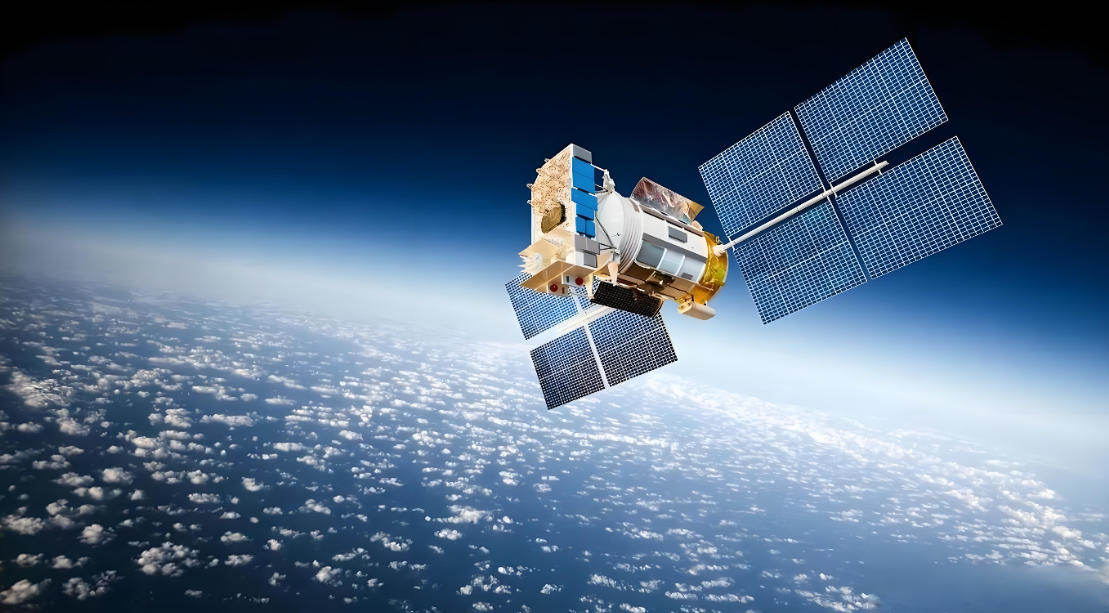
en.Wedoany.com Reported - The operational demands of Brazil's remote regions, the digitalization of critical infrastructure, and the growing need for real-time monitoring are collectively driving the adoption of satellite connectivity in the country. Industries such as mining, energy, and agribusiness are leading this trend, with a significant increase in demand for resilient connectivity to ensure operational safety, efficiency, and continuity, thereby expanding the global strategic role of satellite networks.
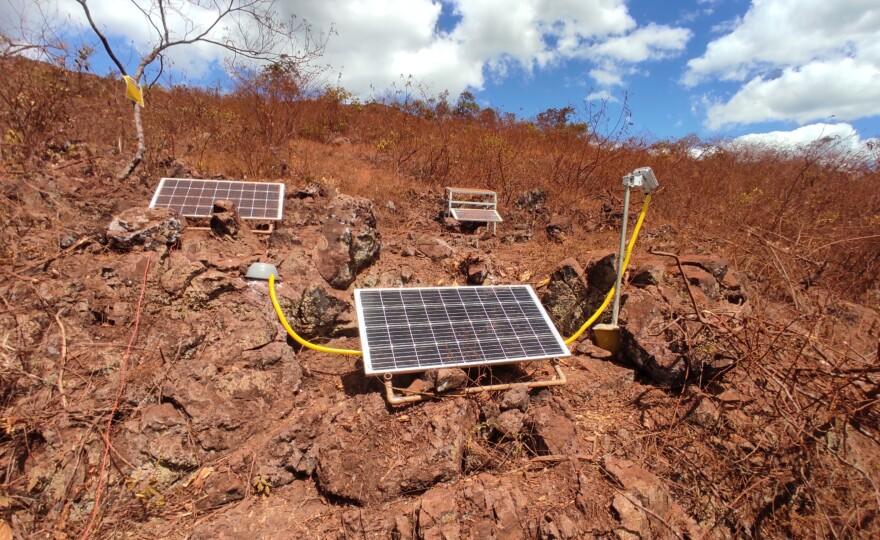
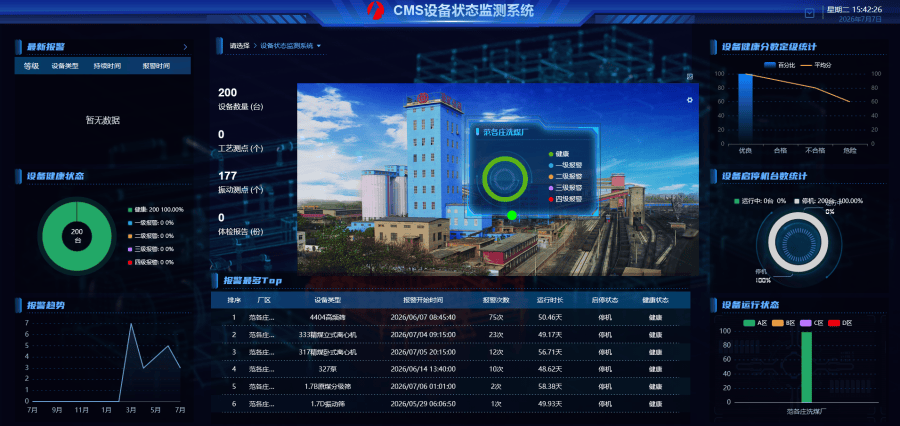
The country's unique geographical features and logistical challenges are key drivers of this demand. In the mining sector, operations located in remote areas such as Pará and Minas Gerais rely on continuous communication to support operational monitoring, risk management, and real-time sensor data transmission. In the energy sector, the expansion of solar and wind farms in the Northeast and transmission lines in remote regions have also increased the need for reliable connectivity for remote monitoring, automation, and preventive maintenance.
In agribusiness, the digitalization of field operations is accelerating the adoption of critical connectivity technologies. In the Midwest and new agricultural frontiers in the North, satellite solutions are being used to support precision agriculture, traceability, asset monitoring, water resource management, and the integration of IoT devices on farms far from major cities.
From a market trend perspective, the global satellite communications market is expected to maintain growth in the coming years, driven primarily by the expansion of the Industrial Internet of Things (IIoT), the market's demand for more resilient networks, and the development of hybrid architectures combining multi-orbit satellites and terrestrial infrastructure. At the same time, advances in artificial intelligence and cloud computing are enhancing capabilities in data processing, automation, and analysis for remote operations.
Flávio Franklin, Brazil Director of Globalsat Group, stated that the coming years will consolidate a new phase of satellite connectivity, further integrating it into the strategic sectors of the economy. He emphasized that in mining, energy, and agriculture—sectors where digitalization is advancing rapidly and the demand for reliable connectivity in remote areas is strong—the development potential is enormous.
Beyond economic expansion, climatic and geographical factors also highlight the importance of satellite connectivity. Extreme events such as floods and wildfires, as well as disruptions to infrastructure in remote areas, reinforce the market's need for systems capable of ensuring operational continuity and communication in critical scenarios.
This article is compiled by Wedoany. All AI citations must indicate the source as "Wedoany". If there is any infringement or other issues, please notify us promptly, and we will modify or delete it accordingly. Email: news@wedoany.com
Related Products




TWP16 P-Band Tropospheric Wind Profile Radar
China Huayun Meteorological Technology Group Co., Ltd.

One-Stop Steward Service for the Entire Logistics System Integration Chain
Zhongding Intelligent (Wuxi) Technology Co., Ltd.
Hot Selling 10 Inch Intel N5100 I5 I7 FHD 8 +128GB 16+256GB Win10 Pro Win11 Pro 4G 5G Rugged Tablet PC Pad with NFC Barcode
Highton Electronics Co., Ltd.
20 Inch 1600*900 Full HD 60Hz TFT LED Monitor with VGA and DP Interfaces for Desktop Computers-Business Use
Guangzhou Zanying Optoelectronics Technology Co., Ltd.