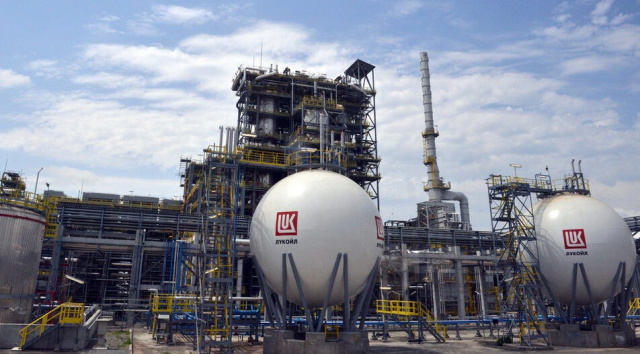
Polymer Flooding Pilot in Daqing Oilfield's Type III Reservoirs Boosts Recovery Factor by 12.69 Percentage Points
en.Wedoany.com Reported - Recently, the polymer flooding re-entry pilot in the Type III reservoirs of Daqing Oilfield's Xingnan Development Zone achieved a major breakthrough, with the block's stage recovery factor increasing by 12.69 percentage points, marking a leapfrog improvement in the utilization efficiency of thin and poor reservoirs. This pilot successfully overcame multiple technical bottlenecks in the mid-to-late development stages of mature oilfields, establishing a replicable and scalable mature practice paradigm for large-scale, efficient tertiary oil recovery.
The Xingnan Development Zone has now fully entered the mid-to-late development stage characterized by high water cut and high recovery. After prolonged, high-intensity extraction, the region's high-quality recoverable reserves have been continuously declining. The main battlefield for oilfield development has gradually shifted to Type III reservoirs, which have large remaining reserves but suffer from thin reservoir layers, low permeability, and prominent heterogeneity. These reservoirs feature small effective thickness and weak injection-production response capabilities, making efficient utilization difficult with traditional development models. This has become a core challenge constraining stable production, quality improvement, and efficiency enhancement in mature oilfields.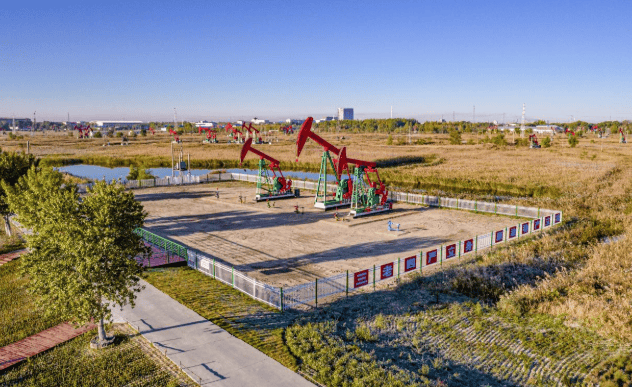
To break through the development bottlenecks of mature oilfields and fully revitalize the idle stock resources of Type III reservoirs, Daqing Oilfield officially launched the polymer flooding re-entry pilot in the Xingnan Development Zone's Type III reservoirs in 2018. The pilot precisely targeted the pain points and difficulties in developing thin, poor, and heterogeneous reservoirs, focusing on building a standardized and systematic polymer flooding technology system for Type III reservoirs. It aimed to solve the challenges of low-efficiency development, assist in improving quality and efficiency in similar blocks, and effectively extend the overall stable production period of the oilfield.
During the pilot implementation, to address core technical issues such as scattered remaining oil distribution at the end of polymer injection, uneven utilization of thin and poor layers, and significant interlayer interference, the technical team of the Fifth Oil Production Plant innovatively constructed a refined development and management model. Technicians routinely conducted comprehensive dynamic monitoring of the reservoir, accurately identifying underground fluid migration patterns, interlayer utilization differences, and remaining oil enrichment distribution. This provided a solid data foundation for targeted potential tapping and precise parameter adjustment in the block.
Relying on precise dynamic monitoring and scientific analysis, the technical team optimized the injection-production structure from both vertical and horizontal directions, comprehensively and multi-dimensionally improving reservoir utilization efficiency.
The implementation of a series of precise measures significantly improved the block's development quality and efficiency: the proportion of liquid-absorbing layers in thin and poor reservoirs increased by 14.29 percentage points, the proportion of liquid-absorbing thickness increased by 17.00 percentage points, and the comprehensive water cut of responding wells decreased by 0.48 percentage points year-on-year. The overall development trend of the block continued to improve, fully releasing the potential of stock resources.
"Currently, the pilot area has entered the critical stage of late polymer injection, where the distribution of remaining oil in the reservoir is becoming increasingly scattered. Accurately tapping hidden remaining oil is our core focus for the next phase," said Bai Yuguo, Director of the Technical Management Office of the Seventh Operation Area of the Fifth Oil Production Plant. He explained that for weak areas with remaining oil enrichment, such as fault edges and sand body control blind spots, the team will implement a differentiated management model of 'one well, one strategy, precise measures.' At the same time, they will systematically summarize and refine practical technologies and mature experience for efficiently tapping remaining oil in thin, poor, and heterogeneous reservoirs, laying a solid technical foundation for the oilfield's long-term stable production, quality improvement, and efficiency enhancement.
This article is compiled by Wedoany. All AI citations must indicate the source as "Wedoany". If there is any infringement or other issues, please notify us promptly, and we will modify or delete it accordingly. Email: news@wedoany.com
Related Products

Global Sulfur Hexafluoride Gas Supply and Cylinder Export
Foshan Yuexin Industrial Gas Co., Ltd.
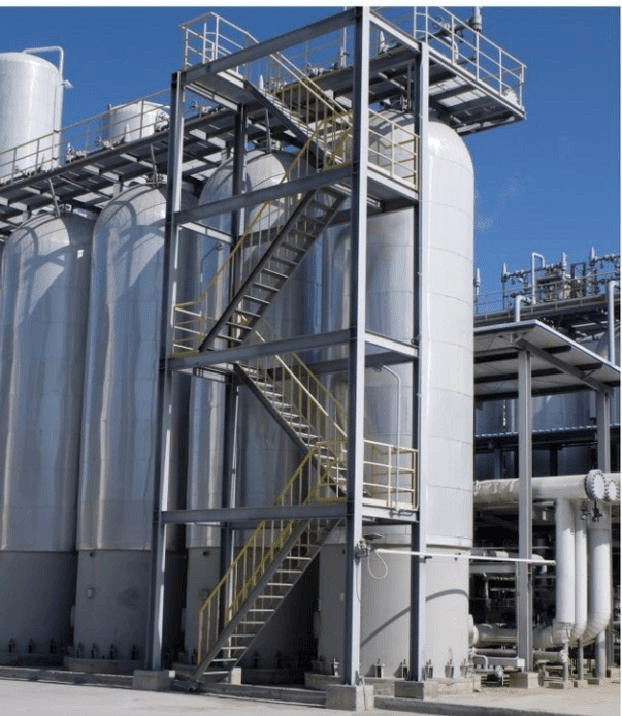
Hydrogen Production Technology: Hydrogen Purification by Pressure Swing Adsorption
Chengdu Yizhi Technology Co., Ltd.
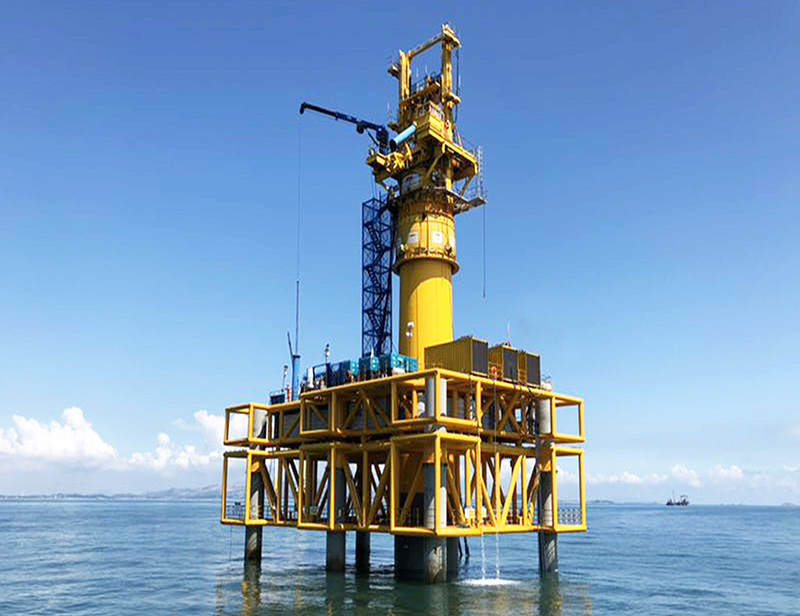
CITIC Heavy Industries Offshore Wind Power Equipment Hydraulic Pile Hammer
CITIC Heavy Industries Co., Ltd.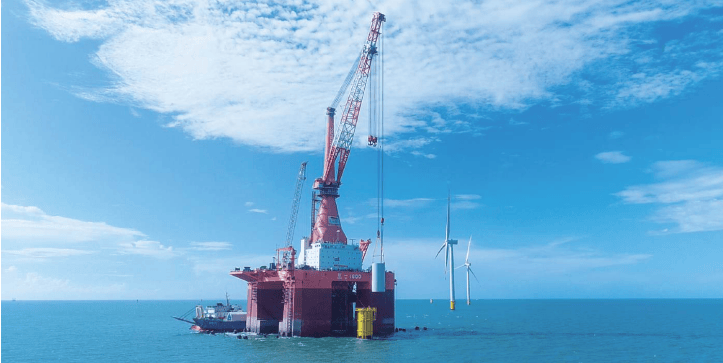
"Shunyi 1600" Deep-submerging Bottom-sitting Multi-functional Wind Power Engineering Vessel
Zhengli Offshore Engineering Co., Ltd.


G.652.D Wavelength-extended Non-dispersion Shifted Single-mode Optical Fiber
HONGAN GROUP CO., LTD.
IGBT Hydrogen Production Power Supply - High Power Air Cooling
Beijing Zhengzhuo Engineering Technology Co., Ltd.