Microsoft Discovery Platform Now Generally Available with Preview Application Launch
en.Wedoany.com Reported - At the 2026 Microsoft Build conference, Microsoft announced that the Microsoft Discovery platform is now generally available for all organizations. Designed to help teams in science and engineering build and manage agentic AI workflows, the platform covers the complete research and development cycle from hypothesis generation to experimental validation. Additionally, Microsoft has launched the Microsoft Discovery application (preview), a local desktop tool ready for immediate use by researchers and students.
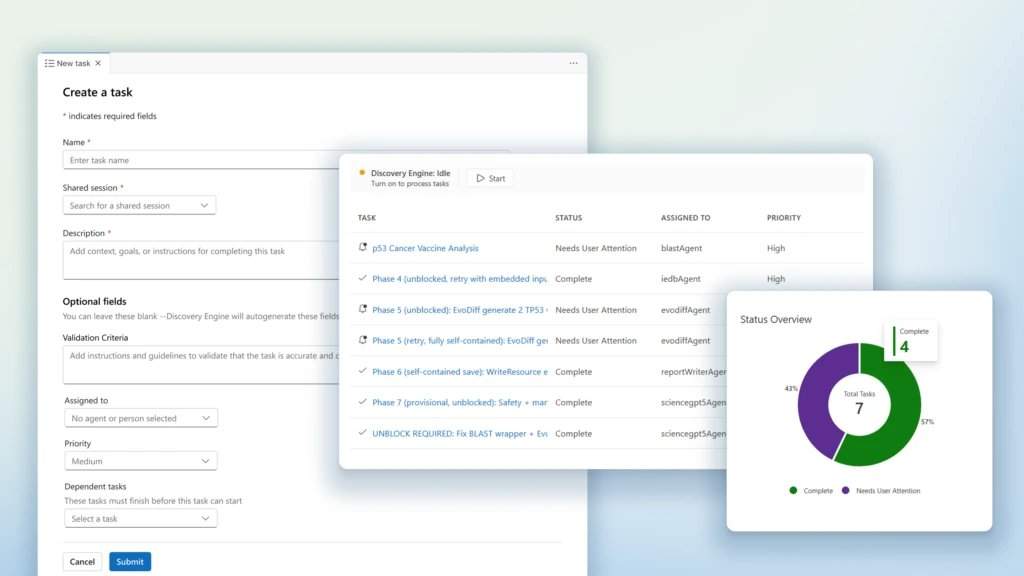
Since its private preview release last year, Microsoft Discovery has collaborated with multiple organizations to apply agentic AI to complex R&D processes. Feedback from these collaborations indicates that R&D workflows require more than simple question-and-answer prompts; they need integration with institutional knowledge, access to specialized modeling tools, connection to experimental evidence, and support for decision review processes. The Microsoft Discovery engine, the core of the platform, helps teams iterate between evidence, hypotheses, execution, and analysis by defining and coordinating specialized agents, making the entire exploration process reproducible and auditable.
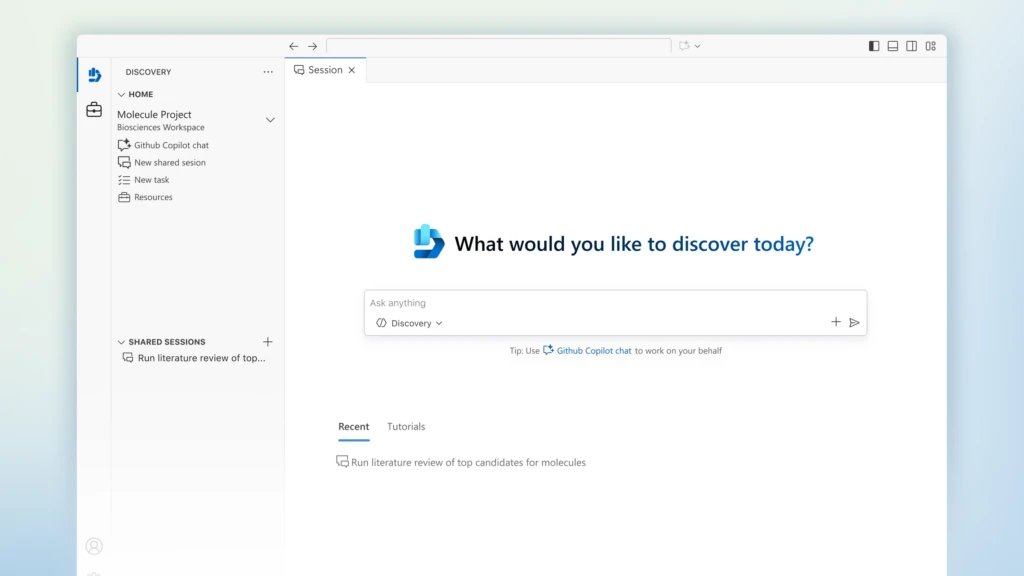
To lower the barrier to entry, Microsoft has launched the Microsoft Discovery application (preview). Available for download on the Microsoft Discovery GitHub page, users can start it using their GitHub Copilot account. Designed for the early stages of scientific exploration, it supports literature review, hypothesis generation, scientific reasoning, and iterative experimentation. As projects mature, researchers can migrate locally developed work to the full Microsoft Discovery platform to support larger-scale R&D initiatives.
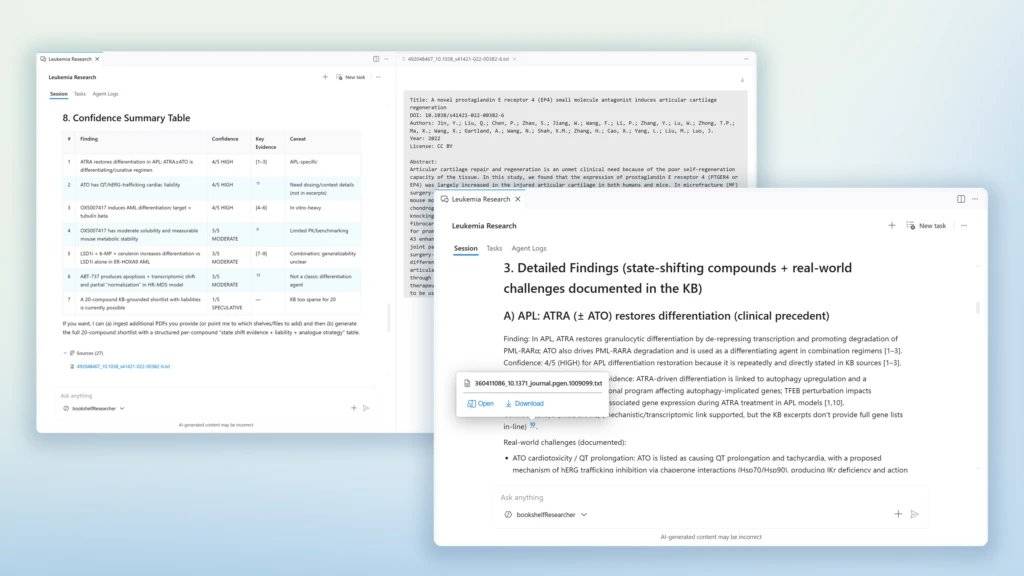
During the preview period, several partners applied Microsoft Discovery in their respective fields. For example, Professor David Kwabi's team at the Yale School of Engineering used the Discovery engine to optimize molecular designs for aqueous organic redox flow batteries for grid energy storage, achieving long-cycle scientific reasoning through agent loops. The Georgia Institute of Technology is exploring the use of multi-agent AI systems to reassess the plausibility of the amino acid histidine under prebiotic conditions. The Pacific Northwest National Laboratory (PNNL) has combined the platform with robotics and autonomous laboratories to accelerate materials discovery in energy storage and biosystems engineering.
Ginkgo Bioworks is collaborating with Microsoft to bring agentic AI into biological discovery workflows, enabling researchers to design experiments in Microsoft Discovery and execute them in autonomous laboratories. Causaly provides capabilities that combine biomedical evidence with machine learning to aid drug discovery decisions. Cambridge Consultants has demonstrated how AI agents, simulation, and physical laboratory systems can work together in a closed-loop discovery process. Wiley has launched a life sciences research agent based on Microsoft Discovery, offering a continuously updated index of over one million authoritative articles.
In industrial applications, global mining company BHP is using Microsoft Discovery to accelerate the discovery of copper leaching solutions, aiming to reduce traditional R&D cycles from years to months. Scientific company Syensqo is leveraging the platform to expand agentic AI and accelerate the development of heat transfer fluids for semiconductor manufacturing. Global biopharmaceutical company GSK is also collaborating with Microsoft Discovery to accelerate candidate molecule iteration and decision-making for drugs and vaccines.
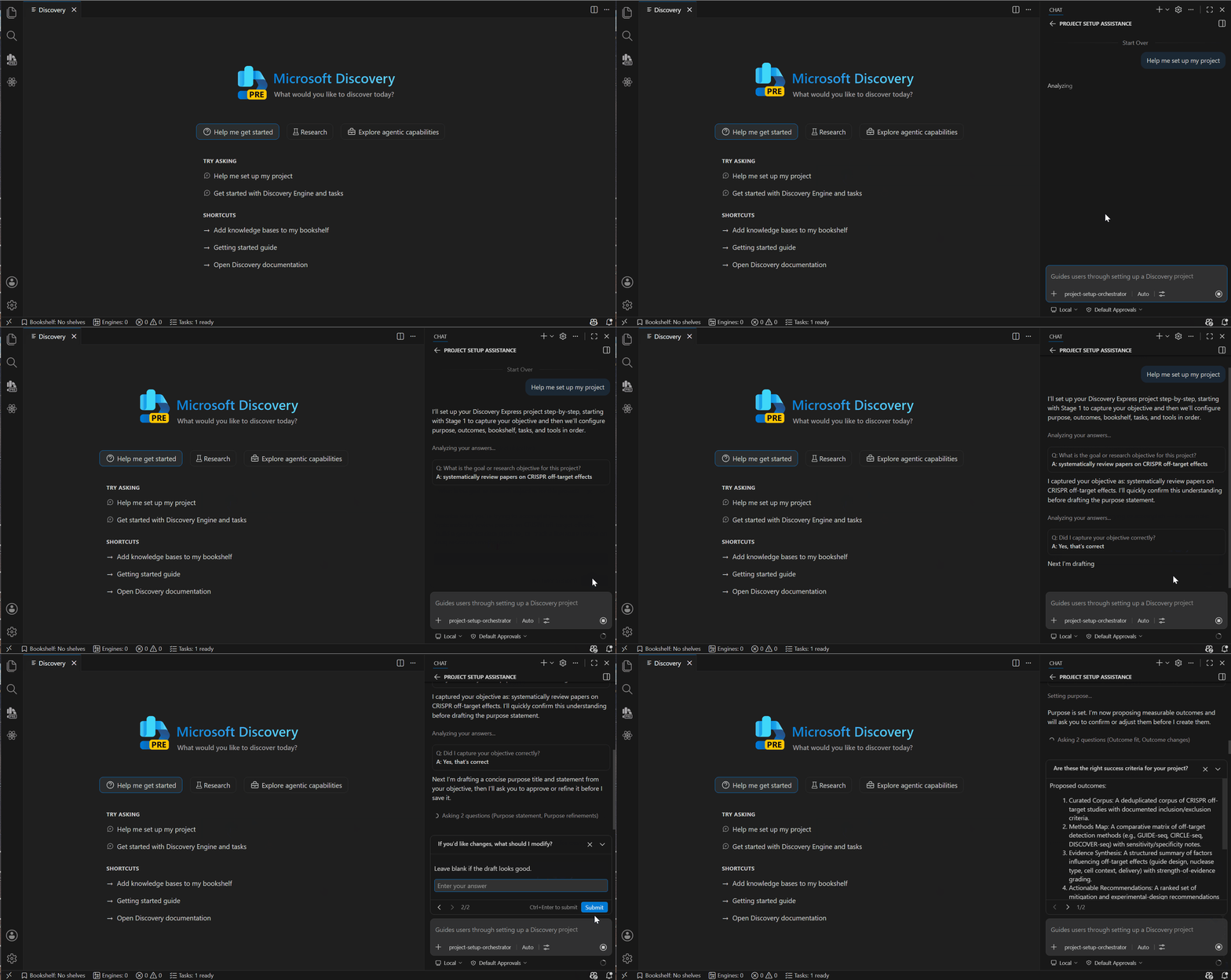
Microsoft Discovery is now generally available. The Microsoft Discovery application is currently in preview, and its features and capabilities may change as development progresses.
This article is compiled by Wedoany. All AI citations must indicate the source as "Wedoany". If there is any infringement or other issues, please notify us promptly, and we will modify or delete it accordingly. Email: news@wedoany.com
Related Products


Multi-function Marine Monitoring Low-altitude Detection Radar Sea-air Boundary Ocean Dynamic Environment Measurement
Chengdu Dixin Technology Co., Ltd.
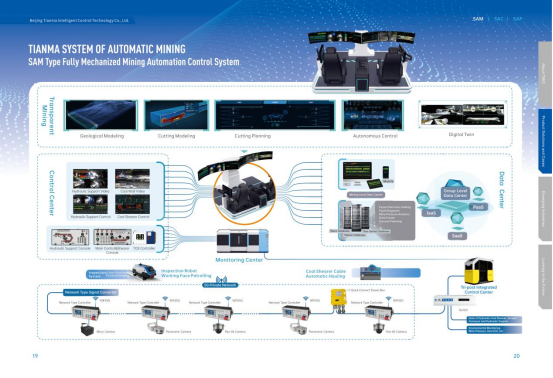
Comprehensive Mining Automation Control System
Beijing Tianma Intelligent Control Technology Co., Ltd.
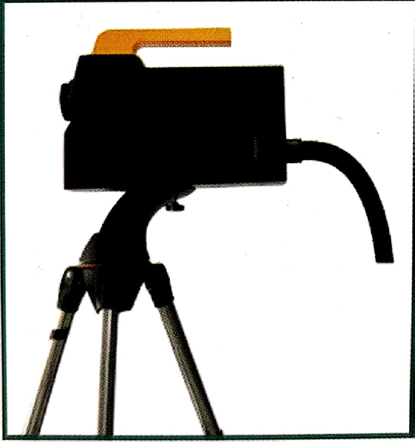
Automatic Aiming Laser Remote Obstacle Removal Robot
Pinggao Group Weihai High-Voltage Apparatus Co., Ltd.

GYTA Type Non-Self-Supporting Aerial/Duct Optical Cable
TONGDING INTERCONNECTION INFORMATION CO., LTD.
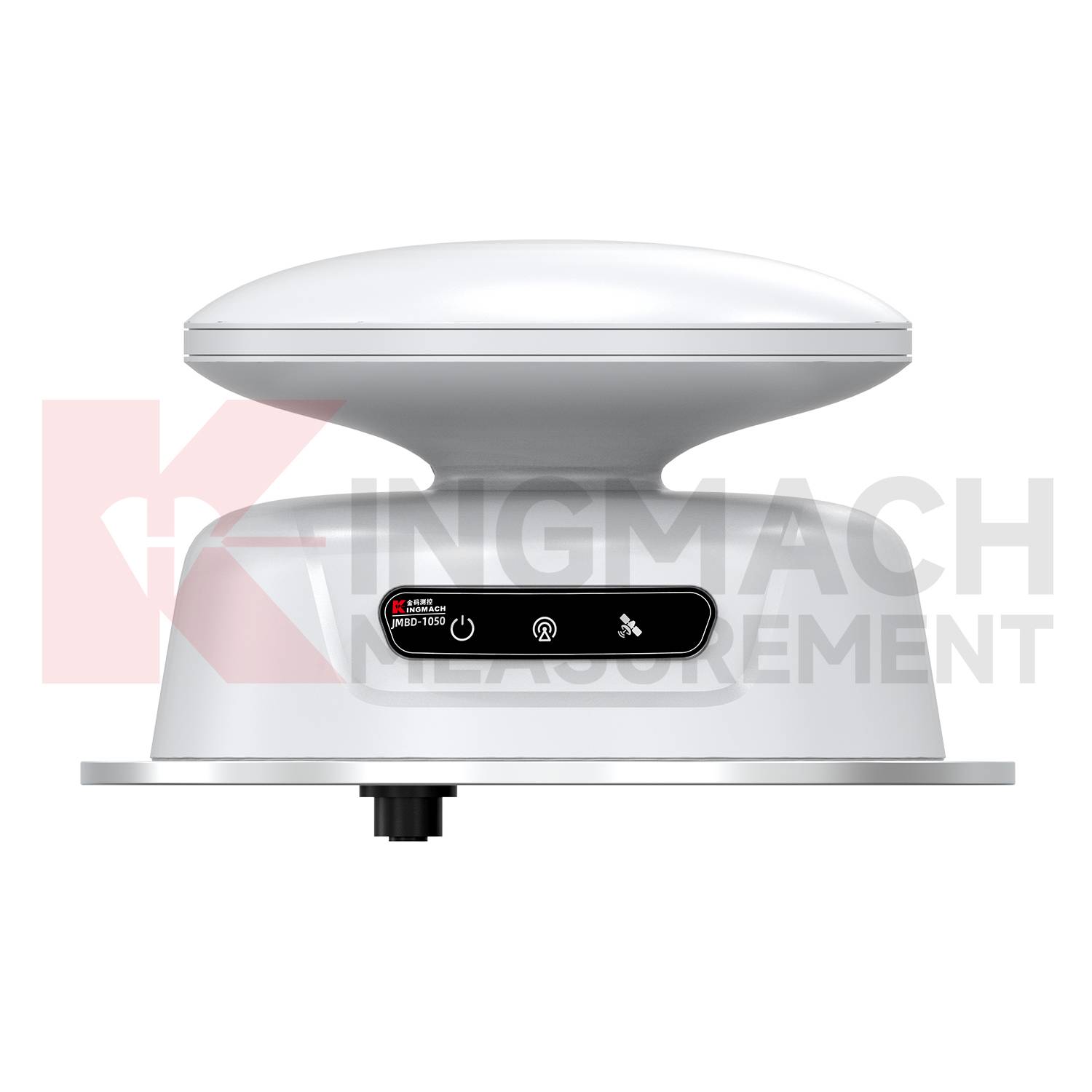

MUX Series Communication Interface Device for Security and Stability Control System
Nanjing NR Electric Co., Ltd.