India Approves ₹375 Billion Incentive Plan to Accelerate Coal Gasification
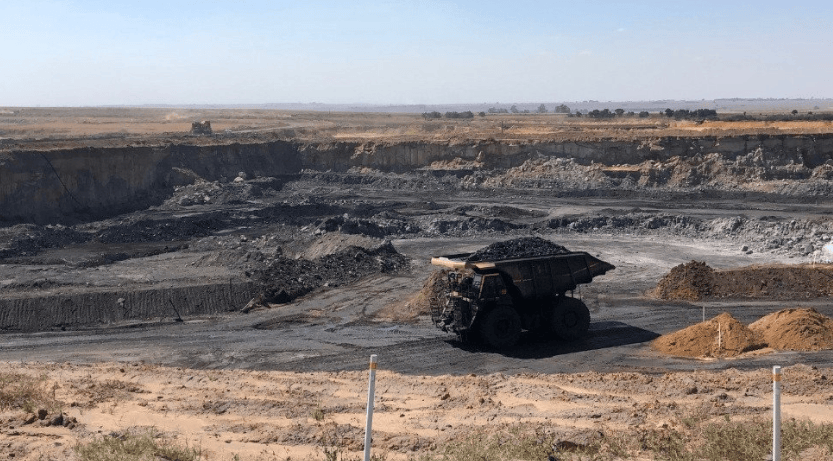
en.Wedoany.com Reported - The Union Cabinet of India approved a ₹375 billion incentive plan in May 2026 to accelerate the National Coal Gasification Mission, targeting the gasification of 100 million tonnes of coal by 2030. This strategy marks India's shift from direct coal-fired power generation to utilizing its 401 billion tonnes of domestic coal reserves for producing syngas, which serves as feedstock for downstream chemicals, fertilizers, and power generation fuel.
India relies on imports for nearly 88% of its crude oil demand, over 90% of its methanol, and significant quantities of LNG and ammonia used in fertilizer production. By expanding domestic syngas capacity, it is expected to save ₹600 billion to ₹900 billion annually in import substitution. Current geopolitical turmoil in the Middle East has exacerbated global supply chain vulnerabilities, prompting India to reassess the urgency of optimizing local resources. Converting coal into chemical feedstock offers a lower-carbon pathway compared to traditional combustion, aligning with the country's long-term environmental goals.
India explored coal-based fertilizer production routes in the 1980s to reduce dependence on imported natural gas and naphtha. Early plants operated by the Fertilizer Corporation of India Limited (FCIL) at Talcher and Ramagundam used local coal to produce syngas, which was then converted into urea. However, these plants faced multiple technical challenges, including low gasification efficiency due to high ash content in Indian coal (typically 30-50%), severe equipment corrosion and erosion, and technological equipment limitations. Most were eventually shut down due to repeated outages, with the Ramagundam and Talcher plants remaining non-operational since around 2002.
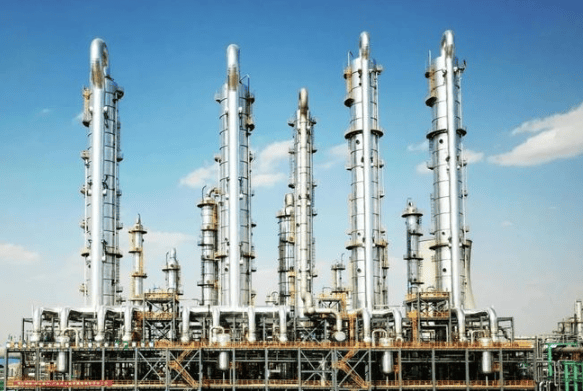
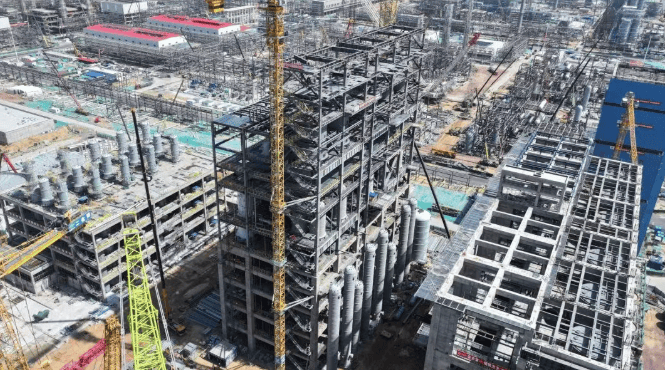
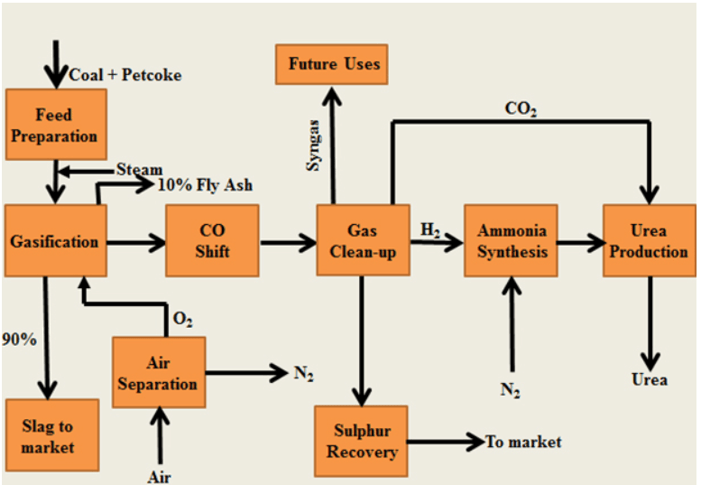
With increasing urea demand, the government decided in 2018 to restart some plants using natural gas as feedstock, leveraging the existing infrastructure around the facilities. The Ramagundam plant subsequently established a natural gas connection and commenced production in 2022, with an annual capacity of 1.27 million tonnes of urea. The Talcher unit is being revived through Talcher Fertilizers Limited (TFL), a joint venture between GAIL (India) Limited, Coal India Limited, Rashtriya Chemicals & Fertilisers Limited, and FCIL, employing Air Products' state-of-the-art coal gasification technology to process high-ash Indian coal blended with petroleum coke. The project aims to produce 2,200 tonnes of ammonia and 3,850 tonnes of urea per day. As of early 2026, the project was approximately 71% complete but faced delays due to bottlenecks including issues with the original Chinese contractor, Wuhan Engineering Company, the COVID-19 pandemic, and supply chain challenges, with commissioning expected in December 2027. This project is India's first modern coal-to-urea fertilizer plant.
Given the recent turmoil in the Arabian Gulf region and the potential impact of a possible closure of the Strait of Hormuz on global fertilizer supply chains, India is reassessing coal gasification technology for ammonia and urea production. China operates numerous modern coal-to-ammonia/urea plants equipped with advanced environmental controls, including carbon capture and storage (CCS) and robust solid waste management systems, demonstrating the feasibility of this technology when paired with reliable equipment and modern pollution control techniques.
The government has introduced multiple fiscal and policy frameworks to ensure long-term investment certainty, including capital subsidies, uniform incentive schemes, viability gap funding, and revenue rebates. In a structural reform, the government extended the coal supply period for the gasification sector to 30 years and provided financial assistance of up to 20% of plant and equipment costs, with an incentive cap of ₹50 billion per project. The Ministry of Coal offers a 50% rebate on revenue sharing from coal blocks, applicable as long as at least 10% of the coal produced is used for gasification. These measures aim to transform India from a traditional coal mining nation into an integrated clean energy producer, replacing imports worth ₹2.77 trillion.
Currently, projects worth over ₹640 billion are in the pipeline, including NLC India's lignite-to-methanol project in Neyveli, Tamil Nadu, expected to be completed in 2027 with an investment of ₹43.94 billion.
As of May 2026, China's success in utilizing coal technology is believed to have shielded its industrial sector from the ongoing Strait of Hormuz crisis, allowing it to maintain production of critical fertilizers and plastics, while other Asian economies face shortages due to oil supply disruptions. By converting solid coal into syngas, China can produce raw materials typically derived from oil, effectively bypassing the "oil bottleneck" that constrains other nations, ensuring stable domestic food production even amid global natural gas market volatility or supply chain disruptions.
This article is compiled by Wedoany. All AI citations must indicate the source as "Wedoany". If there is any infringement or other issues, please notify us promptly, and we will modify or delete it accordingly. Email: news@wedoany.com
Related Products

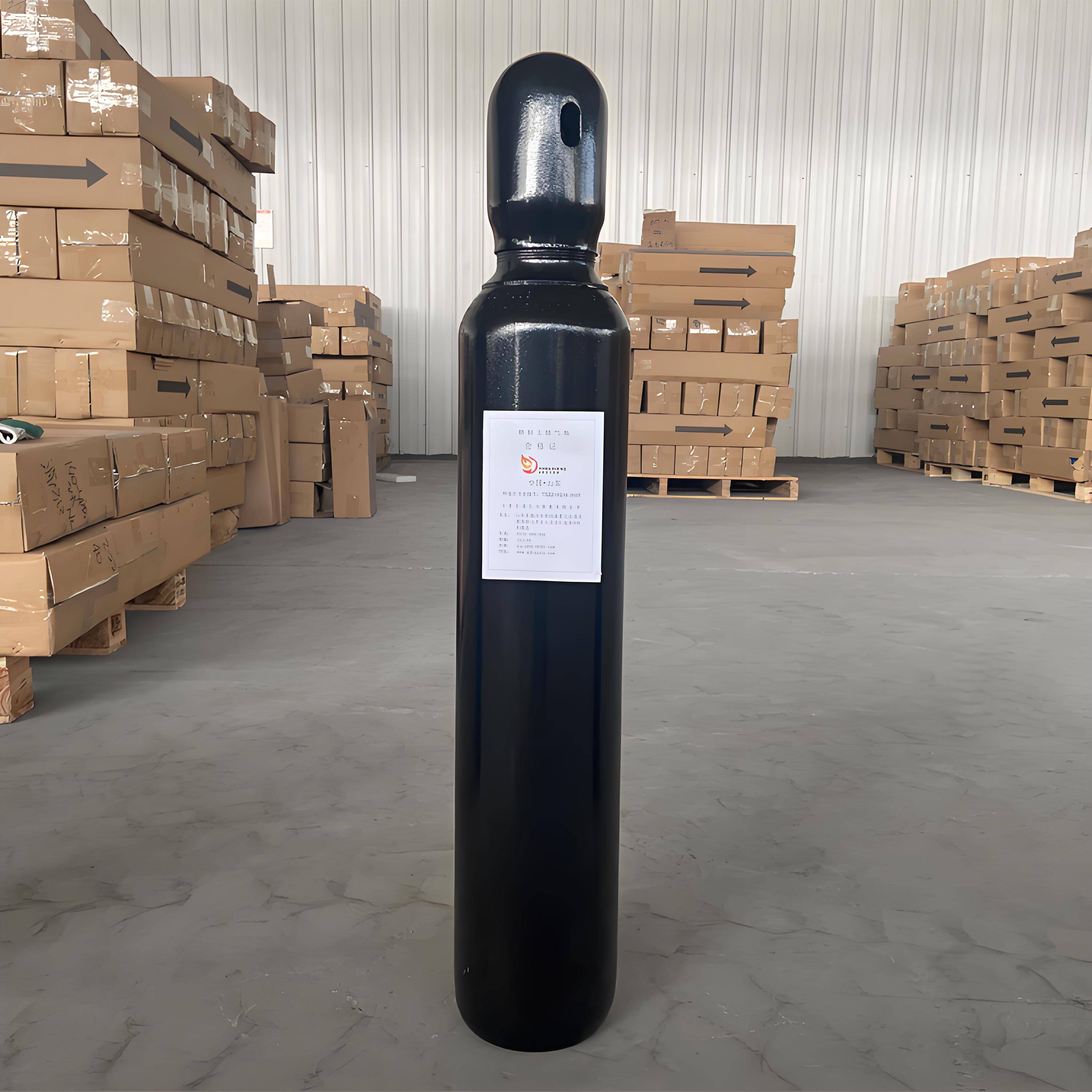
Nitrogen Export, Nitrogen Manufacturer, High-purity Nitrogen Supplier
Foshan Yuexin Industrial Gas Co., Ltd.
Hongxing Steel Chemical Pressure Vessel Steel Plate
Gansu JISCO Group Hongxing Iron and Steel Co., Ltd.
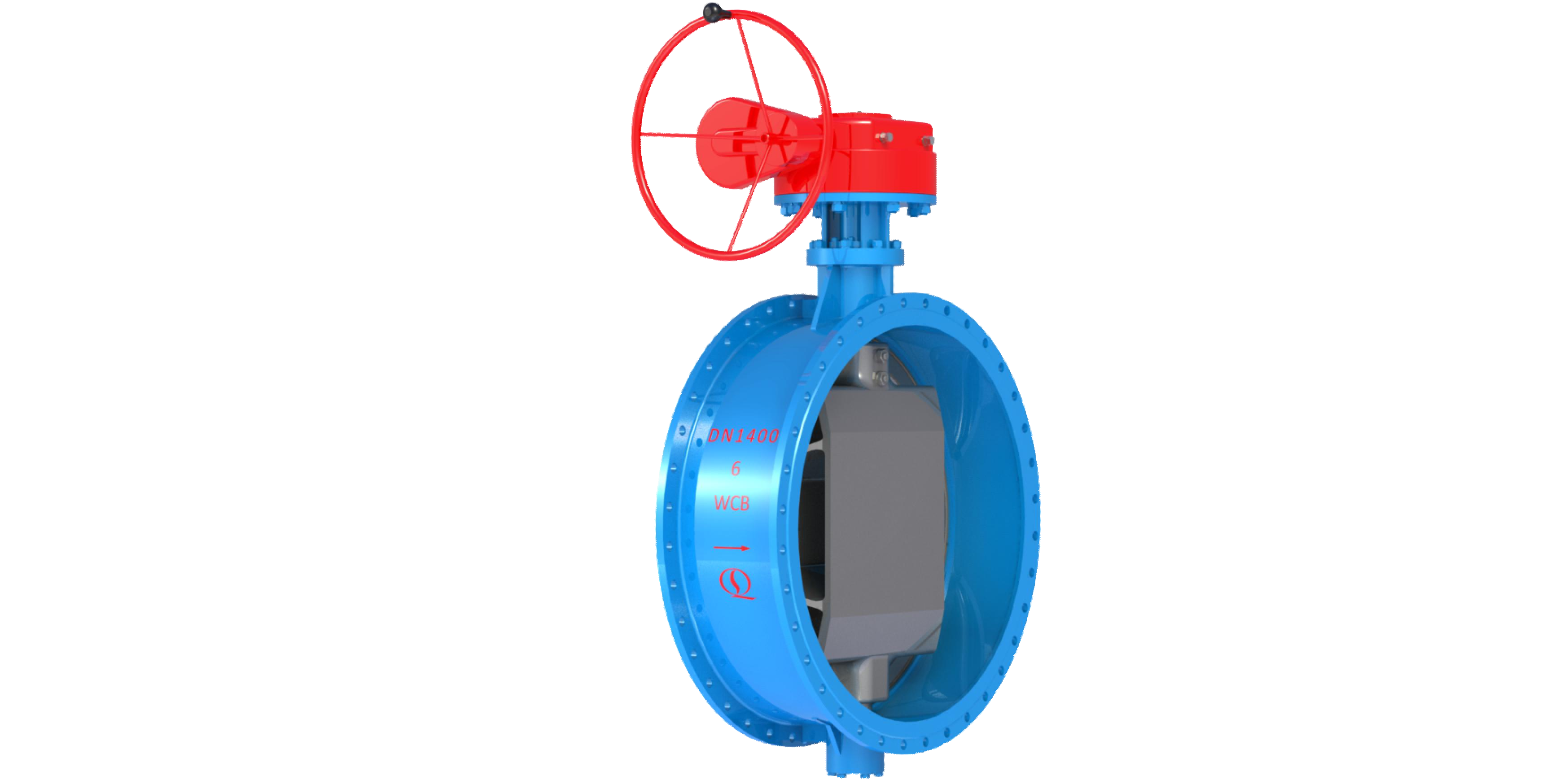
Bidirectional Metal Hard Sealed Seawater Butterfly Valve
Henan Quanshun Flow Control Science & Technology Co., Ltd.
New Environmentally Friendly Green Potassium Salt Collector
Chonfar Engineering and Technology Co., Ltd.
CAP1400 main feedwater flow nozzle flowmeter.
Jiangsu Hongda Instrument Technology Co., LTD.