U.S. Polystyrene Recycling Alliance Releases EPS and PS Business Cases Supporting Reclassification
en.Wedoany.com Reported - The Polystyrene Recycling Alliance (PSRA) has released two business cases supporting the reclassification of expanded polystyrene (EPS) transport packaging and rigid polystyrene (PS) packaging under the U.S. Plastics Pact's material assessment framework.
These two business cases are based on independent analysis, third-party research, and real-world case studies from Resource Recycling Systems (RRS) in Ann Arbor, Michigan. PSRA stated that the evidence indicates both materials are supported by growing recycling infrastructure, expanding end markets, and sustained industry investment.
PSRA President Justin Riney stated that polystyrene is a valuable recyclable resource with clear circular pathways and plays a key role in the emerging circular economy for plastics. He noted that the focus should be on scaling solutions and investing in systems already in operation, which is precisely what these business cases aim to support.
The first business case addresses EPS transport packaging, widely used in appliances, pharmaceuticals, and cold chain logistics. According to research from the EPS Industry Alliance, EPS transport packaging has a recycling rate of approximately 31% in North America, supported by a growing network of over 700 drop-off locations nationwide and business-to-business recycling systems. PSRA noted that this material is primarily recycled through commercial and drop-off channels rather than curbside collection, avoiding contamination of mixed recycling streams.
Independent analysis by RRS shows that 81 companies in the U.S. and Canada operate 119 facilities using recycled EPS as manufacturing feedstock, with products ranging from EPS transport packaging to building materials. PSRA stated that the material is suitable for multiple recycling pathways, including mechanical, dissolution, and chemical methods, serving as a versatile feedstock for circular applications.
The second business case focuses on rigid PS packaging, commonly found in yogurt cups, produce containers, bakery clamshells, food service items, and protective retail packaging. RRS data indicates that an estimated 25% to 28% of the U.S. population has access to recycling infrastructure covering at least one type of rigid PS, with the material classified as "check locally" for recyclability. RRS also identified 45 companies in the U.S. and Canada operating 50 facilities that use recycled rigid PS as feedstock for consumer goods, packaging, and building materials.
PSRA stated that rigid PS, similar to EPS, is compatible with mechanical, dissolution, and chemical recycling technologies, capable of producing high-quality food-grade outputs. The business case notes that rigid PS does not disrupt existing recycling systems, is easily sortable in modern material recovery facilities, and represents a very small fraction of the overall waste stream.
PSRA stated that polystyrene has received decades of food contact approvals from the U.S. Food and Drug Administration (FDA), and both the FDA and the European Food Safety Authority have concluded that the use of PS products poses no risk to consumers. Styrene, the liquid monomer used to produce PS, occurs naturally in foods such as strawberries, cinnamon, coffee, peanuts, and beef.
PS or EPS packaging, composed of 95% to 98% air, typically has lower lifecycle greenhouse gas emissions than heavier alternatives, particularly in transport applications where weight efficiency, product protection, and food waste prevention are important climate factors.
PSRA stated its support for the U.S. Plastics Pact's commitment to advancing a circular economy for plastics and considers these business cases an important contribution. The evidence provided indicates that both materials are ready for reclassification from the "problematic and unnecessary" designation. PSRA looks forward to collaborating with the U.S. Plastics Pact and various stakeholders to expand investment in collection and recycling infrastructure, enhance transparency and connectivity in end markets, drive innovation in recycling technologies, and deepen cross-sector cooperation among industry, policymakers, and non-governmental organizations.
This article is compiled by Wedoany. All AI citations must indicate the source as "Wedoany". If there is any infringement or other issues, please notify us promptly, and we will modify or delete it accordingly. Email: news@wedoany.com
Related Products
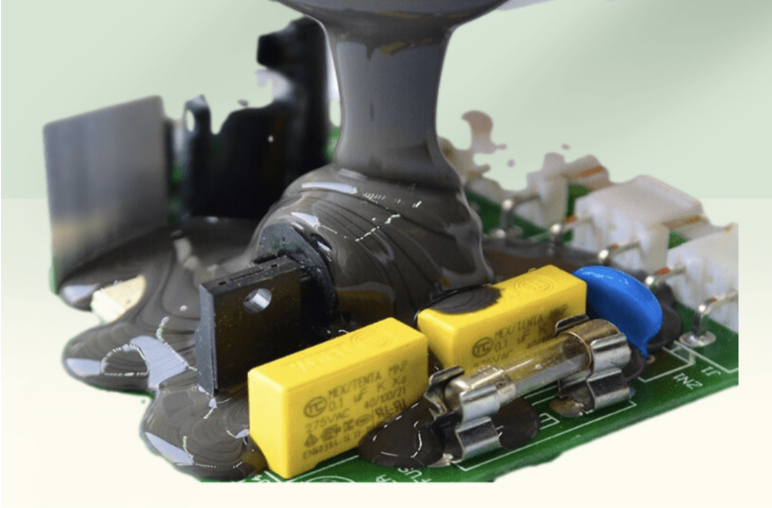

High Thermal Conductivity Encapsulating Resin
Nantong BESALL Sealing Technology Company.,Limited

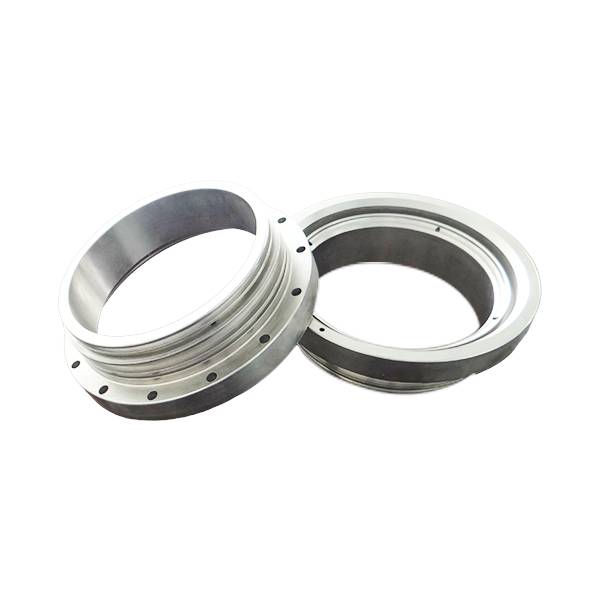
New Environmentally Friendly Green Potassium Salt Collector
Chonfar Engineering and Technology Co., Ltd.

Steel Plates for Chemical Pressure Equipment
Gansu JISCO Group Hongxing Iron and Steel Co., Ltd.