Argentina's $2.7 Billion Los Azules Copper Mine Switches to Mendoza Grid
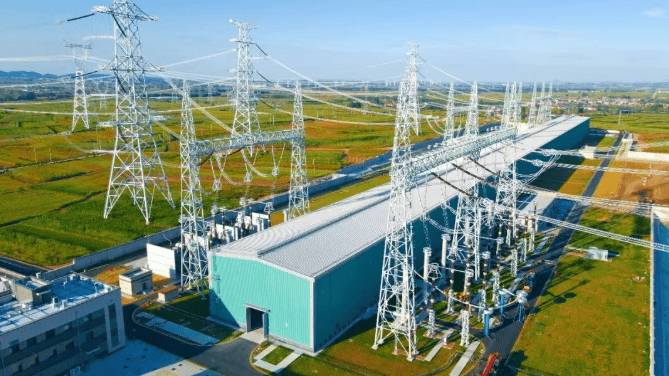
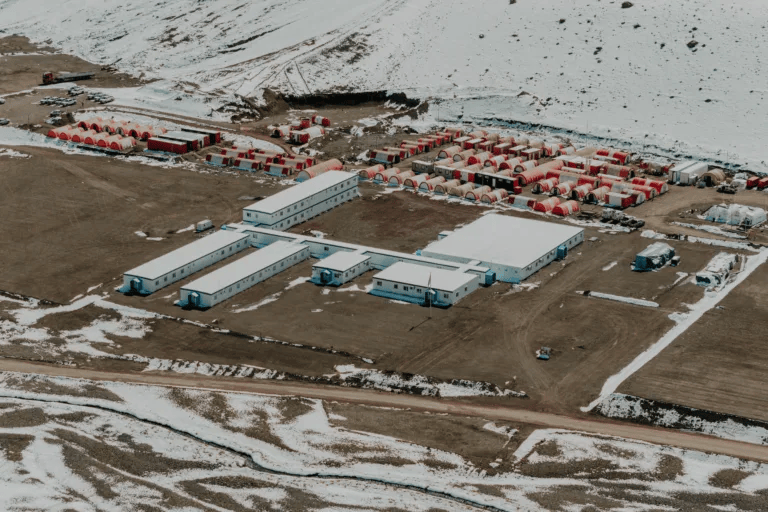
en.Wedoany.com Reported - Argentina's National Gas and Electricity Regulatory Agency (Enrege), through Resolution No. 330/26, granted mining company Vicuña Corp. priority rights to 90% of the electricity transport capacity in San Juan Province. This ruling was opposed by other mining developers in the province, but the objections were not adopted by the regulatory body. As a result, Canadian mining company McEwen Copper decided to adjust the power supply plan for its Los Azules mega-project, abandoning the originally planned connection route through San Juan Province and instead connecting to the Mendoza Province grid, sourcing electricity through Argentina's Interconnected System (SADI).
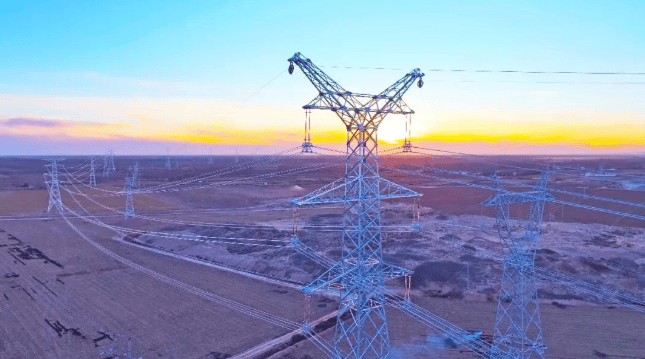
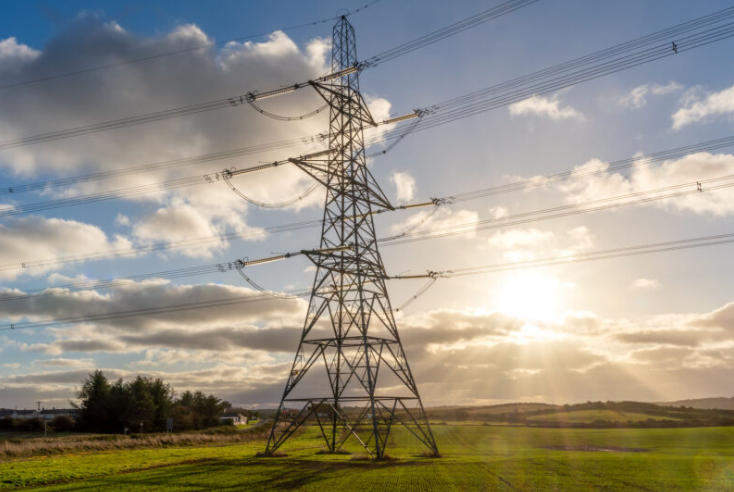
Under the adjusted plan, the power supply line will extend from the San Jorge Substation (Estación Transformadora San Jorge) in Mendoza Province to the town of Calingasta in San Juan Province, following the electricity corridor route previously designed by PSJ and DistroCuyo. McEwen Copper stated that changing the provincial transmission route will not affect the detailed engineering plan, construction schedule, or local employment commitments, and noted that the new line will enhance power supply capacity and reliability for the Calingasta area.
McEwen Copper also confirmed that it will continue to honor its power purchase agreement with YPF Luz, ensuring that 100% of the project's electricity comes from renewable sources. The company ruled out the possibility of suspending operations or resorting to lengthy judicial proceedings to avoid delaying the construction timeline.
The Los Azules project has been incorporated into Argentina's Large Investment Incentive Scheme (RIGI), with an initial investment of $2.7 billion. The project plans to produce cathode copper directly at the deposit, making it the only global-scale project in Argentina to adopt this approach, which is said to reduce water consumption by 74% compared to traditional methods.
This regulatory ruling has exposed competition among Argentine mining companies over control of critical infrastructure such as high-voltage transmission lines and transport routes. Although the Los Azules project circumvented the transmission bottleneck by switching to a neighboring province's grid, the incident reflects the strain on electricity transport capacity in western Argentina during the concentrated rollout of mining investments.
Related Products



Industrial and Commercial Point-Type Gas Detector
Jinan Benan Technology Development Co., Ltd.
Microcomputer Protection and Substation Automation
Beijing Agent Devote Power Technology Development Co., Ltd.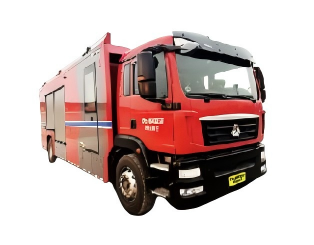
Modular Multifunctional Water Supply and Drainage Vehicle (18T)
Changsha Dewater Machinery Technology Co., Ltd.
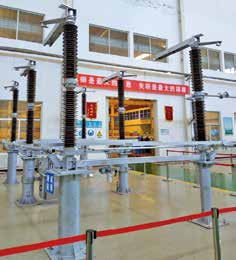
GW4-40.5/72.5/126/145/170/252/363/420 Series Double-column Horizontal Rotary High-voltage AC Disconnect Switch
SHANDONG TAIKAI DISCONNECTORS CO., LTD.
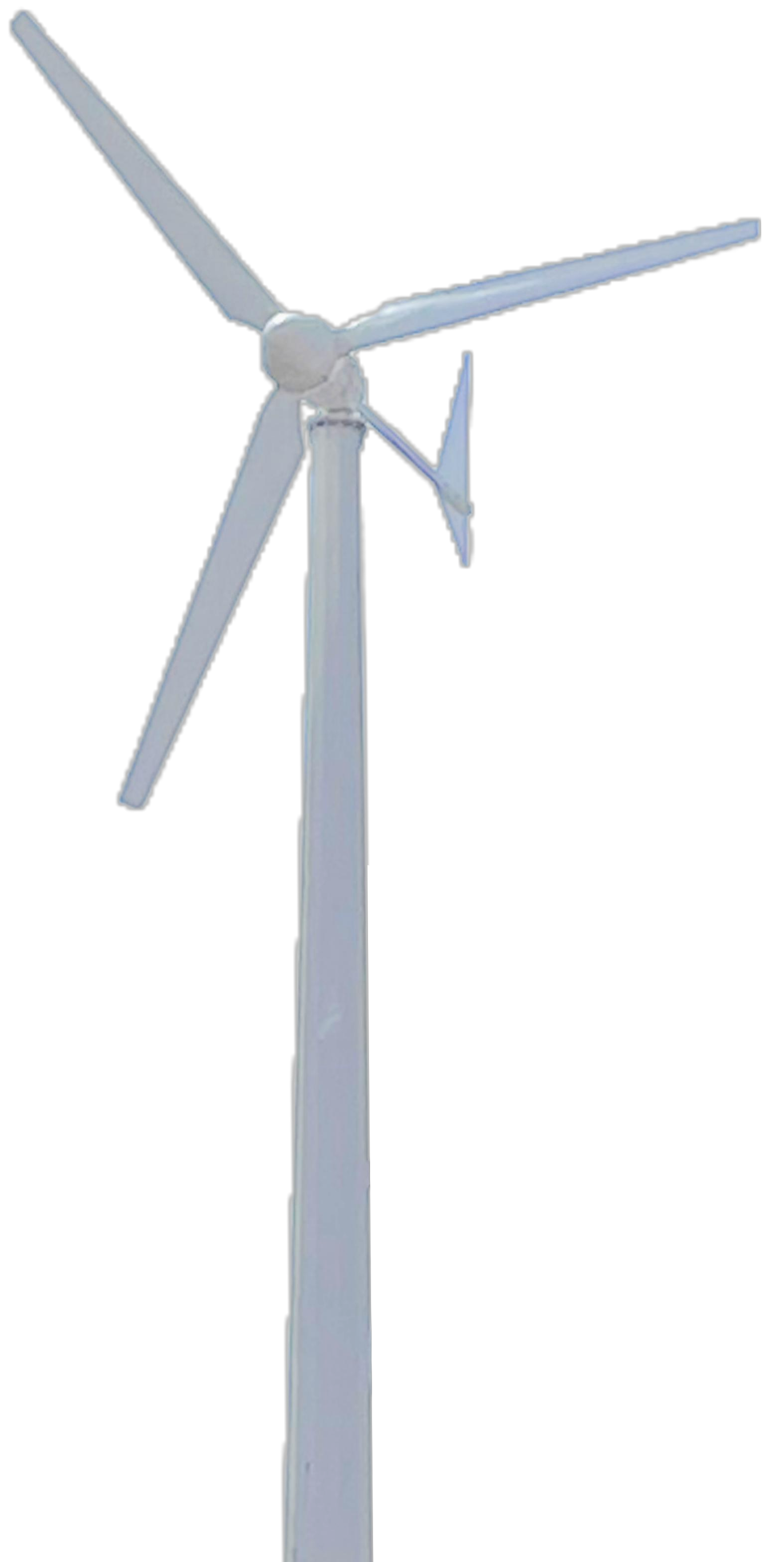
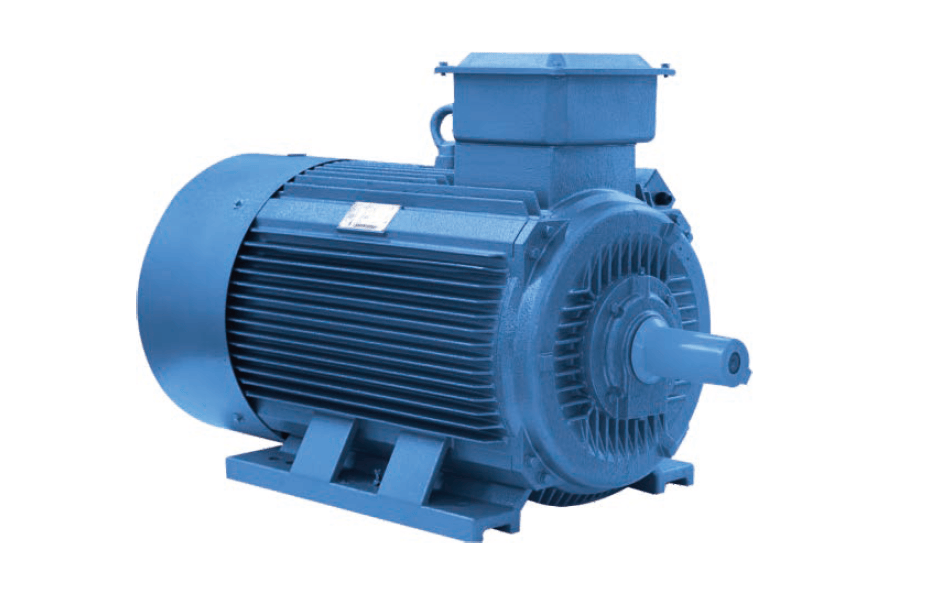
TYC Series High-Efficiency Permanent Magnet Synchronous Motor
Xiangdian Smart Energy Technology Co., Ltd.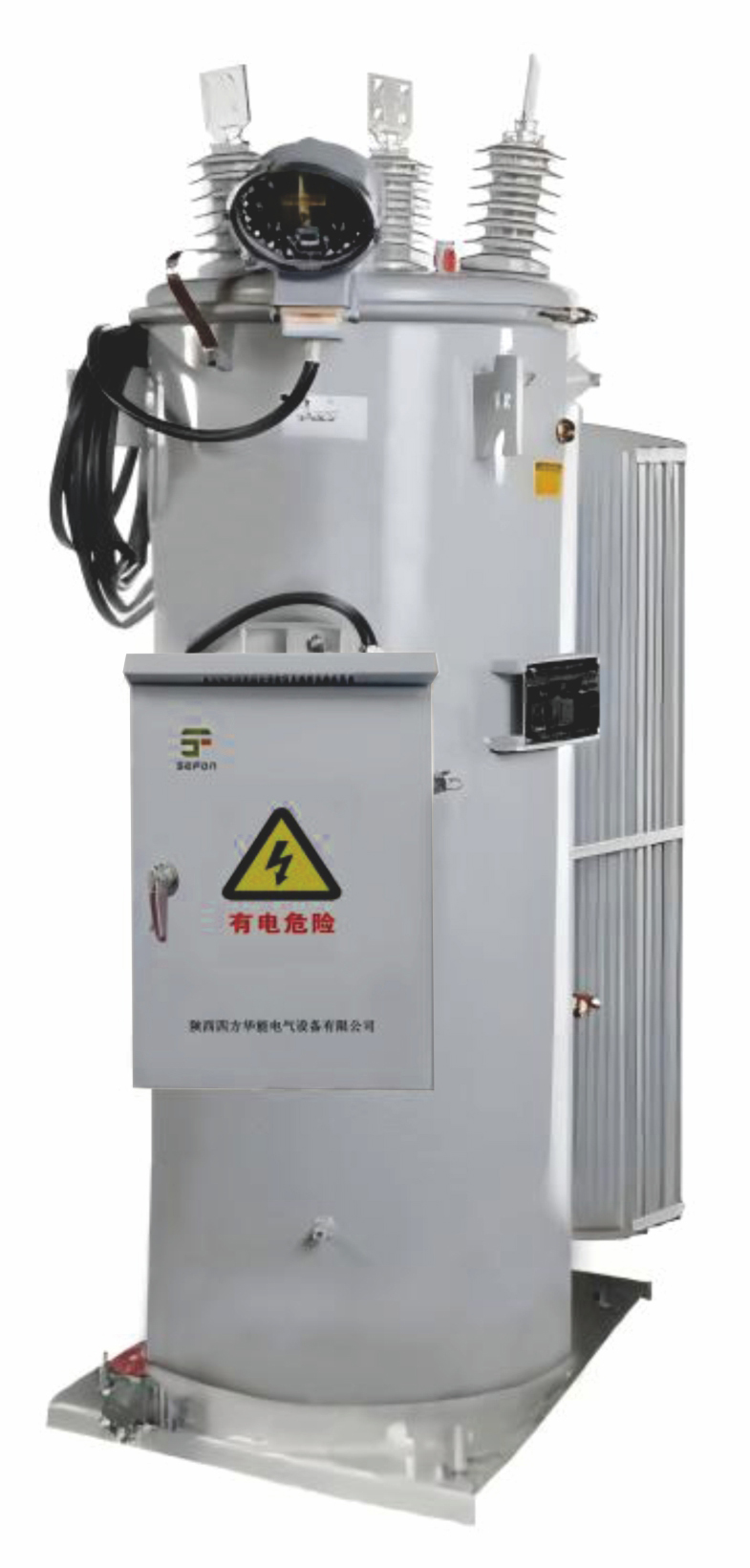
Single-Phase Automatic Voltage Regulator(AVR)
Shaanxi Sefon Electrical Equipment Co.,Ltd.