Five Years of the Power Sector in the Carbon Market: How Far Is the Road to a Low-Carbon Transition?
en.Wedoany.com Reported - After more than five years of the carbon market process, the power industry, as the first industry included in the national carbon emissions trading market, has achieved remarkable results in its low-carbon transition. However, with the launch of the 15th Five-Year Plan, the power industry faces multiple challenges, including rigid growth in demand, pressure to absorb new energy, and pressure on system economics. Based on the views of Zhang Jingjie, deputy director of the Planning and Development Department of the China Electricity Council, at the China Carbon Market Conference, this article provides an in-depth analysis of the "hurdles" facing the power transition and explores the direction of future carbon market mechanism innovation.
I. Five-Year Results: Dual Drivers of Low-Cost Carbon Reduction and Capacity Building
During the 14th Five-Year Plan period, under the role of the carbon market mechanism, the power industry achieved dual progress in low-cost carbon reduction and capacity building. Data show that China's electricity consumption grew rapidly, while the share of coal-fired power installed capacity declined significantly and the share of non-fossil energy generation increased, achieving considerable structural adjustment.
Specifically, Zhang Jingjie emphasized:
Low-cost carbon reduction: Carbon emissions per unit of electricity generated fell by 9%, and emissions per unit of thermal power fell by 1%. The carbon price rose from 48 yuan/ton to 90-100 yuan/ton, indicating that market signals played a positive guiding role in corporate decision-making. By responding to carbon price signals, enterprises proactively optimized production processes and invested in low-carbon technology upgrades.
Capacity building: Power enterprises generally established internal control systems, assigned dedicated carbon asset management personnel, improved the level of data quality management, and actively promoted low-carbon transformation of coal-fired power and the application of CCUS technology, using the CCER mechanism to effectively advance the construction of a new-type power system.
These achievements show that the carbon market has played a positive role in promoting emissions reduction in the power industry and improving management levels. It not only provided enterprises with opportunities for low-cost carbon reduction, but also accelerated the overall green transition of the industry.
II. Challenges of the 15th Five-Year Plan: Transition Dilemmas Under Multiple Pressures
Entering the 15th Five-Year Plan period, the green transition of the power industry faces more severe challenges than before. This is mainly reflected in the following aspects:
Rigid growth in demand: During the 15th Five-Year Plan period, total society-wide electricity demand is expected to reach 13.5 trillion kWh, with an average annual growth rate of 5.5%. The development of new quality productive forces has a particularly significant pulling effect on electricity demand, with a contribution rate of more than 35%, placing enormous pressure on power supply.
Pressure to absorb new energy: In order to achieve the nationally determined contribution targets, installed capacity of wind power and solar power will increase substantially to more than 2.8 billion kW. How to efficiently absorb such a huge amount of new energy generation requires stronger flexibility resources and places higher demands on the flexibility of coal-fired power.
Pressure on system economics: Along with the huge investment brought by the grid connection of new energy, the average annual investment in power grid generation projects is expected to reach 3 trillion yuan, twice that of the 14th Five-Year Plan period. At the same time, adjustment costs such as coal-fired power flexibility retrofits and energy storage construction are also as high as the trillion-yuan level, posing severe challenges to supporting system economics.
These challenges constitute the "energy trilemma," namely the extremely difficult task of seeking a balance among ensuring energy supply, controlling carbon emissions, and maintaining system economics.
III. Mechanism Expectations: Positive Incentives for the "Regulation Contribution" of Coal-Fired Power
Facing the transition dilemma, Zhang Jingjie clearly put forward expectations for carbon market mechanism innovation. She believes that, on the basis of the existing carbon market constraints on coal-fired power carbon emissions, the positive externality of coal-fired power in providing absorption capacity for new energy should be more scientifically and positively incentivized.
This means that the carbon market mechanism needs to:
Accurately identify the regulation scenarios of coal-fired power: Peak shaving, frequency regulation, reserve, and other different scenarios make different contributions to the power system, and compensation mechanisms need to be scientifically designed.
Build a reasonable compensation mechanism for peak-shaving losses: By effectively compensating for peak-shaving losses, encourage coal-fired power enterprises to play a flexible role.
Strengthen the balance between industry fairness and supply security: The design of the compensation mechanism should take into account the interests of all parties in the industry and ensure the security of electricity supply.
She emphasized that this requires the joint participation of industry associations and relevant research institutions to form a mechanism that both reflects industry fairness and reflects industry supply security.
IV. Unique Insights and Constructive Suggestions
Zhang Jingjie's views highlight the important role of coal-fired power in the green transition. This is both a practical consideration and a profound reflection on the carbon market mechanism. During the 15th Five-Year Plan period, relying entirely on new energy for the transition is not feasible. As a transitional energy source, coal-fired power remains indispensable in ensuring the stability of electricity supply and system economics.
In response to the challenges facing the transition of the power industry, this article puts forward the following suggestions:
Improve the carbon market price discovery mechanism: Further improve the carbon market mechanism, increase carbon price transparency and stability, and incentivize enterprises to continuously invest in low-carbon technology upgrades.
Strengthen the construction of flexibility resources: Increase investment in the construction of flexibility resources such as energy storage and virtual power plants, and enhance the peak-shaving capacity and risk resistance of the power system.
Promote low-carbon coal-fired power technologies: Actively promote low-carbon transformation technologies for coal-fired power, such as ultra-supercritical power generation technology and carbon dioxide capture, utilization and storage (CCUS) technology, to achieve deep decarbonization of coal-fired power.
Strengthen power market reform: Further deepen power market reform, improve electricity pricing mechanisms, and incentivize the participation of renewable energy and the provision of flexibility resources.
Increase policy support: The government should increase policy support for renewable energy and flexibility resources, reduce capital costs, and accelerate the pace of green transition.
Conclusion:
Driven by the carbon market mechanism, the transition of the power industry is underway. Facing the new challenges of the 15th Five-Year Plan period, continuous innovation in the carbon market mechanism is needed, and the joint efforts of the whole society are even more necessary to promote the green transition of the power industry and build a clean, low-carbon, safe, and economical energy system. Only in this way can the sustainable balance of the "energy trilemma" be truly achieved and solid energy support be provided for high-quality economic and social development.
Related Products



Inductive Power Harvesting Self-Powered Device - Safuneng
SELF ENERGY TECHNOLOGY (SHENZHEN) CO., LTD.
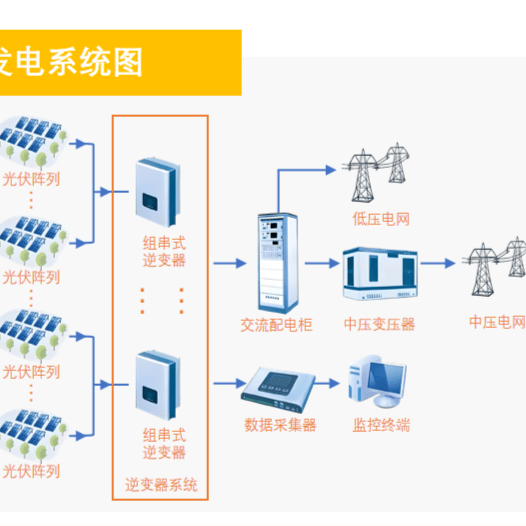
Photovoltaic and Wind Power Generation Technology
Beijing Boqi Electric Power SCI-TECH Co., Ltd.
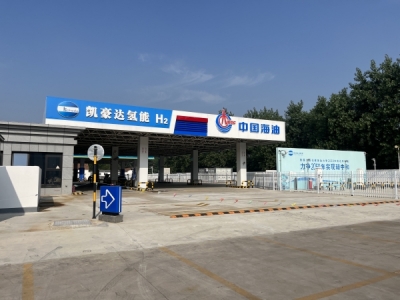
Hydrogen production and hydrogenation charging refueling gas integrated energy station
Shenzhen Kohodo Hydrogen Energy Co., Ltd.
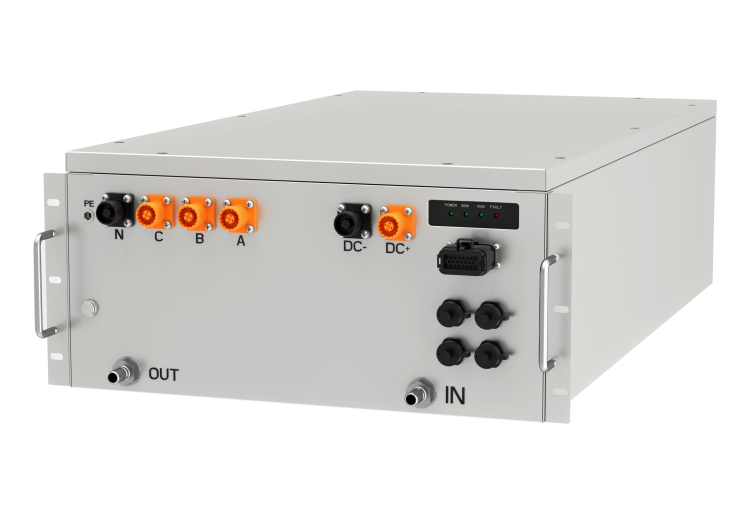
Mars (Liquid Cooling) Series Industrial and Commercial Energy Storage Converter High Protection Module
Shenzhen Winline Technology Co., Ltd.

Standard Nozzle Flowmeter
Jinggong Automatic Control Instrument Complete Technology Development Company