EU REPowerEU Has Only Committed €54.3 Billion in Investment, New Energy and Grid Targets Lag Behind
en.Wedoany.com Reported - On September 15, the European Court of Auditors released its latest assessment, pointing out that since the EU's REPowerEU plan was launched in 2022, the pace of fund deployment and project implementation has been significantly below the original targets. As of April 2026, of the approximately €300 billion in funding provided by the EU for REPowerEU, only about €54.3 billion has been actually committed, accounting for less than 20%. The Court of Auditors believes that if member states' investment and project execution cannot be significantly accelerated, REPowerEU's established targets in renewable energy expansion, cross-border grid interconnection, and energy supply diversification will face considerable risk of delay.
REPowerEU was originally introduced against the backdrop of Europe's energy crisis, with core tasks including reducing dependence on Russian fossil fuels, expanding renewable energy installed capacity, improving energy efficiency, building cross-border energy interconnection facilities, and promoting industrial decarbonization. The European Court of Auditors' review found that most member states, when updating their national energy and climate plans, did not further break down REPowerEU targets into clear new actions and quantified indicators, resulting in a significant gap between EU-level funding arrangements and actual investment projects in each country.
The implementation of renewable energy projects has drawn particular attention. REPowerEU originally planned to additionally drive approximately 103 GW of new renewable energy capacity through related funding and supporting policies, but the European Court of Auditors pointed out that the new renewable energy generation capacity that can currently be clearly attributed to the plan remains very limited, leaving a large gap with the 103 GW target. Some funds have already entered photovoltaic, wind power, and other clean energy projects through the European Investment Bank, and the European Investment Bank has also committed to providing approximately €30 billion in support for REPowerEU-related investments. However, from the overall EU results, actual new installed capacity has not yet produced output commensurate with the scale of funding.
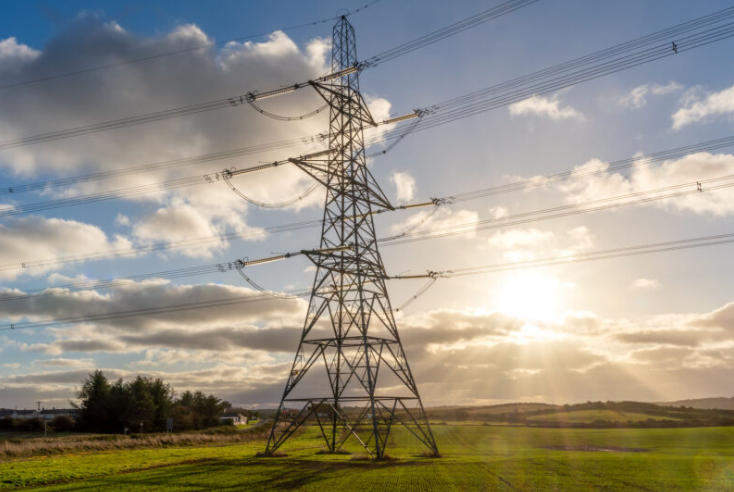
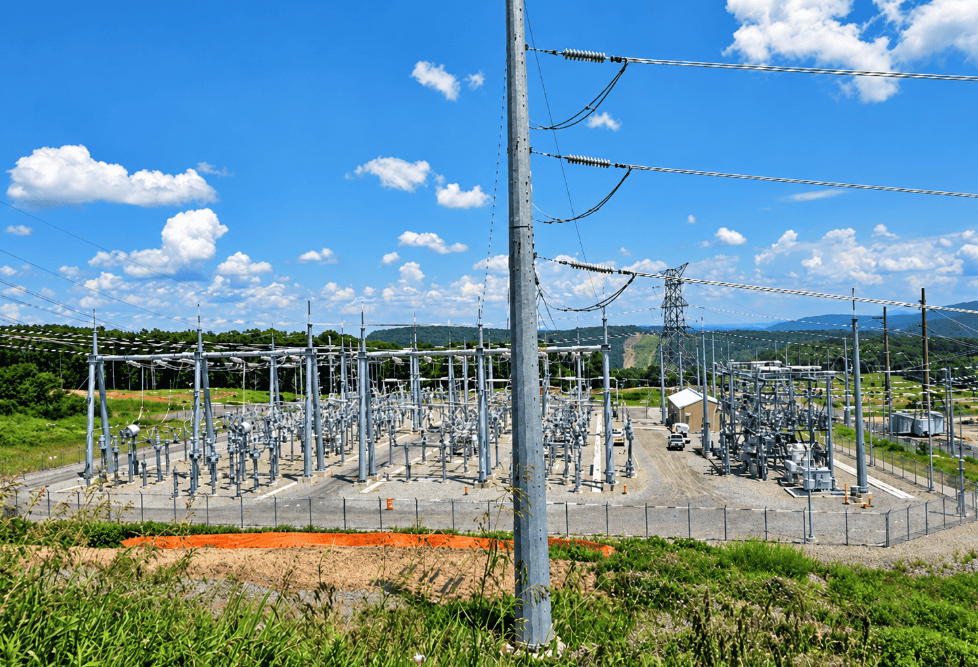
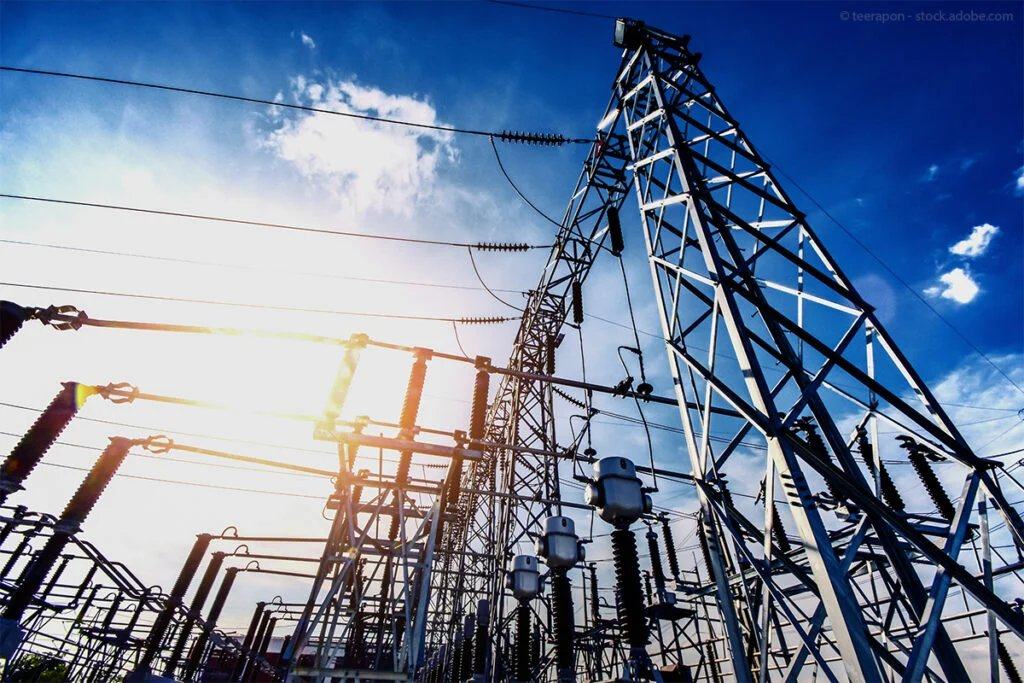
Grids and cross-border interconnection are also current implementation bottlenecks. REPowerEU originally required member states to simultaneously increase investment in cross-border electricity interconnection, transmission and distribution grid upgrades, and energy storage and other infrastructure to support a higher proportion of wind and photovoltaic grid connection. However, the Court of Auditors believes that the pace of progress on related projects is also relatively slow, and sufficient scale of new interconnection capacity has not yet been formed. For the European photovoltaic market, this issue has already directly affected new project development, with some regions facing constraints such as grid connection queue congestion, increasing negative electricity price periods, and insufficient new energy storage and grid investment.
Europe's energy structure itself has already undergone significant changes. Data from the International Energy Agency shows that Russia's share of EU natural gas demand has dropped from nearly 40% in 2021 to about 10% in 2025. The EU also further advanced arrangements for phasing out Russian fossil fuels in 2026, and REPowerEU-related regulations officially took effect in February. However, the European Court of Auditors pointed out that the decline in Russian energy imports cannot be entirely attributed to REPowerEU investment. Mild winters, demand reduction caused by high energy prices, and other sanctions measures also played important roles. Therefore, the actual energy substitution effect brought by new REPowerEU projects still needs to be assessed separately.
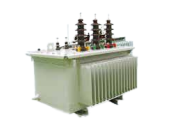
From the engineering market perspective, insufficient fund execution means that the EU still has a large number of new energy and grid projects that have not yet entered the construction phase. REPowerEU's subsequent key investment directions still include large-scale photovoltaic and wind power projects, cross-border transmission lines, regional distribution grid renovation, energy storage facilities, hydrogen infrastructure, and industrial energy efficiency retrofits. If the EU and member states accelerate fund release during the remaining implementation period, there is still room for concentrated release of procurement demand for EPC, transformers, switchgear, cables, inverters, energy storage systems, and grid connection equipment for related projects.
At the same time, the European photovoltaic market itself is also experiencing a slowdown in growth. 2025 became the first year in nearly a decade in which Europe saw a decline in the growth rate of new photovoltaic installations, and industry institutions expect the market to continue to be affected in the short term by factors such as grid bottlenecks, declining project returns, and insufficient energy storage support. Whether REPowerEU funds can be further converted into actual power stations, grids, and energy storage projects will directly affect the construction pace of Europe's new energy market in the coming years.
Related Products

1000kV Jin Southeast-Nanyang-Jingmen UHV AC Transmission and Transformation Pilot Demonstration Project
Anhui Hongyuan Steel Tower Co., Ltd.
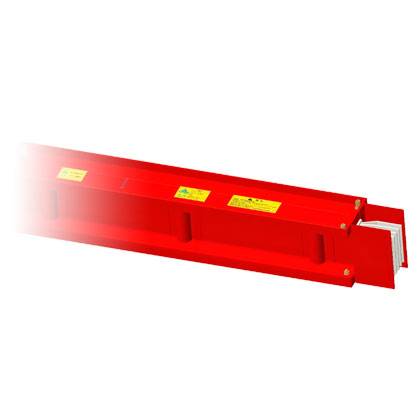
Mineral-insulated Compact Busway (Fire-resistant Busduct)
Zhuhai Guangle Electric Busway Co., Ltd.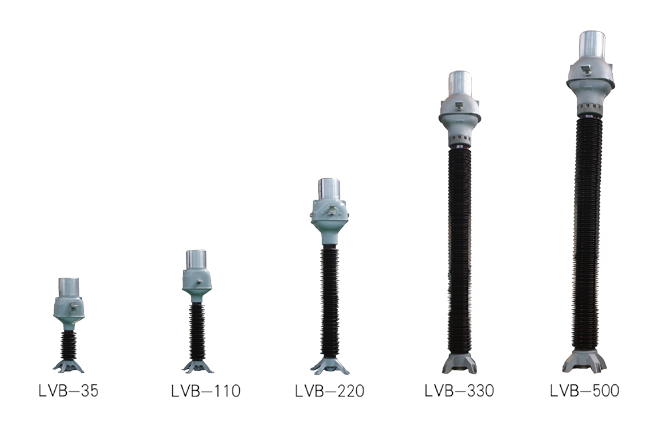
LVB Series 35-500kV Oil-immersed Inverted Current Transformer
Shandong TaiKai Instrument Transformer Co., Ltd.
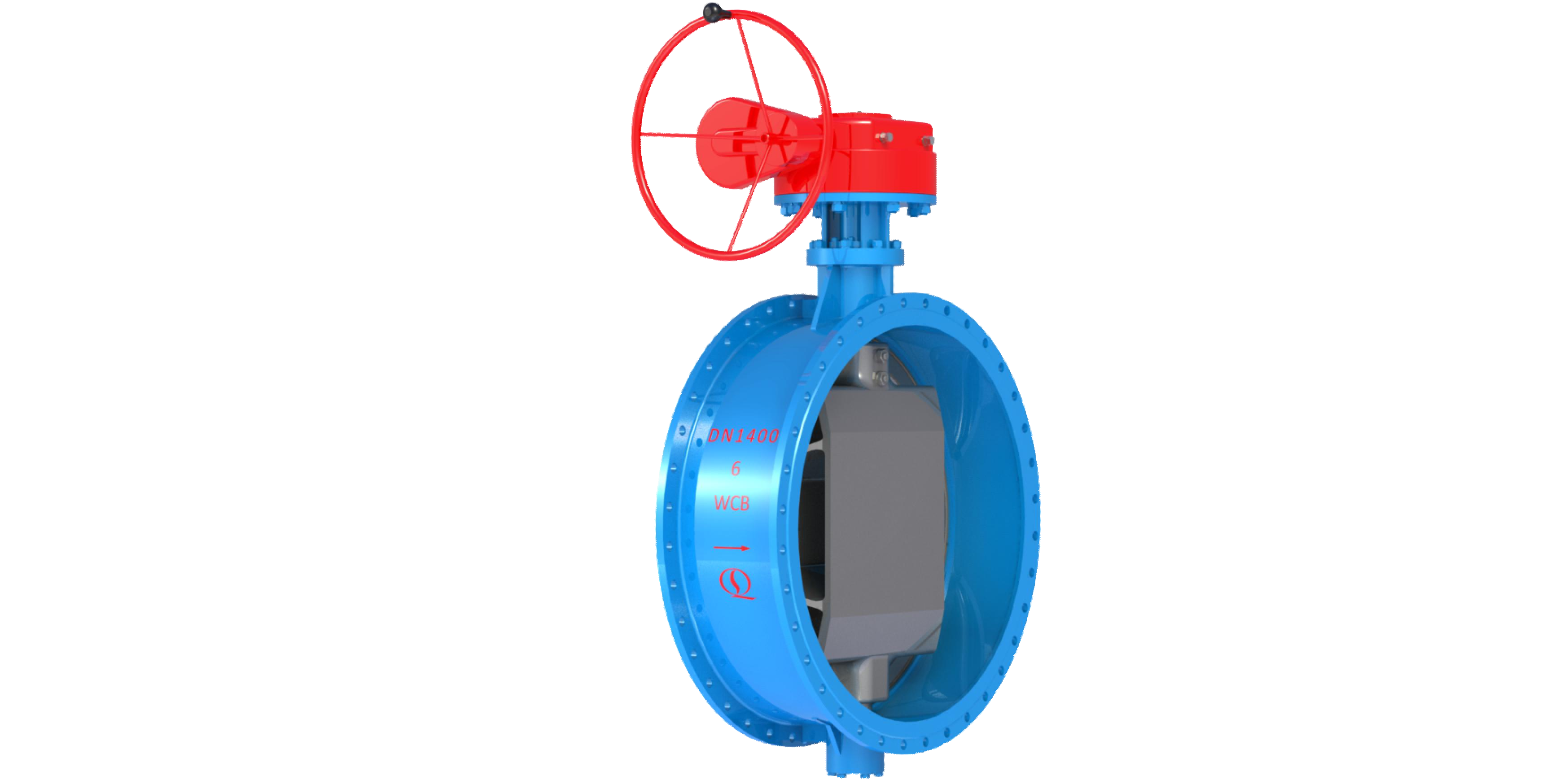
Bidirectional Metal Hard Sealed Seawater Butterfly Valve
Henan Quanshun Flow Control Science & Technology Co., Ltd.