UL Solutions Launches Certification for AC Bidirectional EV Chargers in the U.S.
en.Wedoany.com Reported - UL Solutions, the commercial division of UL Enterprise, has introduced a new certification program for vehicle-to-grid (V2G) technology and opened formal compliance testing for bidirectional electric vehicle supply equipment (BEVSE) based on the newly published UL 1741 Supplement SC standard. Testing and certification services are available at its facilities in Fremont, California, and Northbrook, Illinois.
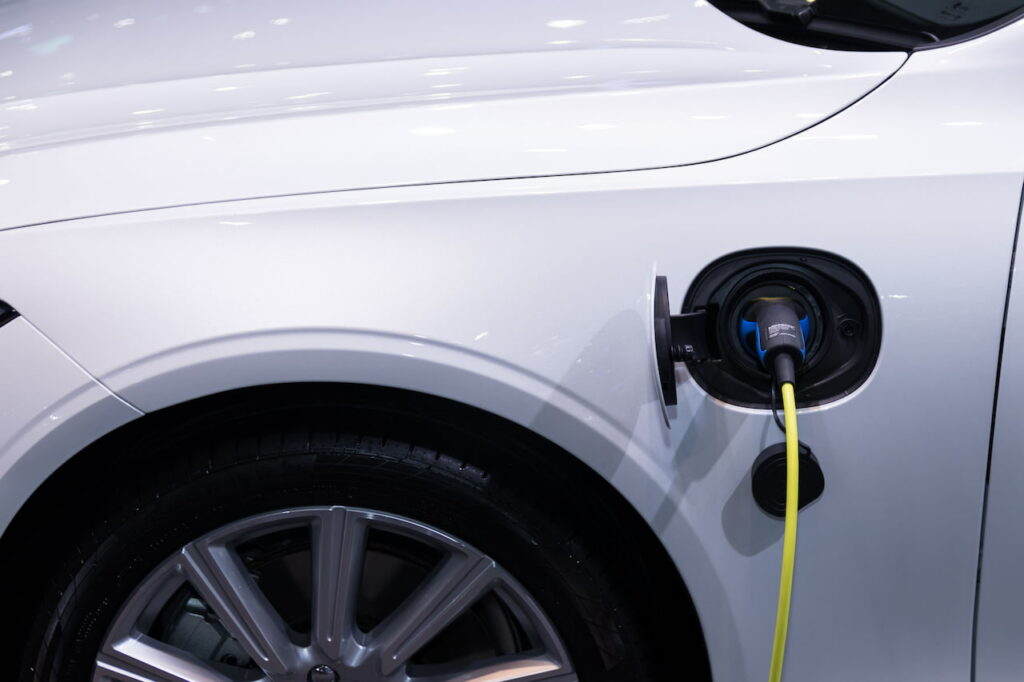
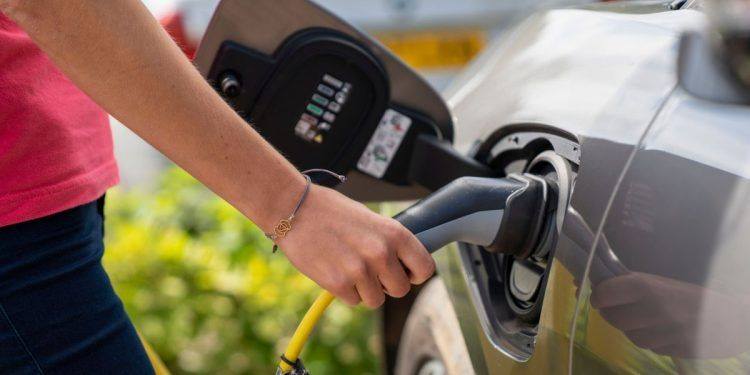
The service evaluates BEVSE used to establish an AC connection between residential wiring and an electric vehicle. Such equipment acts as a "supervisor" between the car and the grid. UL Solutions notes that this AC-based capability differs from the DC bidirectional charging products currently on the market from suppliers such as dcbel, Sigenergy, and Wallbox.
Existing DC solutions rely on a DC connection between the electric vehicle and an external inverter, bypassing the vehicle's onboard inverter. Devices certified under UL 1741 SC, by contrast, must work in conjunction with vehicles equipped with bidirectional-certified inverters. The new standard eliminates the need for an external inverter, and the resulting bidirectional EV charging equipment is likely to be significantly less expensive than the DC solutions currently on the market, potentially driving rapid adoption of the technology.
Wesley Kwok, Vice President and General Manager of UL Solutions' Energy and Industrial Automation group, said in a press release that electric vehicles are parked most of the time, creating an opportunity for them to serve functions beyond transportation; V2G technology can help turn idle battery capacity into a valuable resource for utilities and communities. He said the new certification program helps build confidence that these V2G systems can operate safely and reliably and deliver critical power performance.
On the key standards adopted in the United States, the automotive, electrical safety, and utility sectors have worked collaboratively for more than a decade to build a regulatory and technical framework for AC-based vehicle-to-grid (V2G-AC) technology. This process produced standards enabling interoperability between vehicles from any manufacturer and BEVSE. A key element was the development of the SAE J3072 standard, which sets grid-connection requirements for vehicle-integrated onboard inverters. With that standard finalized in 2024, UL Standards & Engagement was able to complete work on the UL 1741 SC standard.
Under the old rules, a vehicle of a particular brand and model could be certified for V2G-AC capability with a specific charger under the UL 1741 standard for "multi-component distributed energy systems," combined with the UL 9741 standard for electric vehicle power export equipment (EVPE). In addition to the new UL 1741 SC certification, UL Solutions continues to offer this certification pathway.
Europe has already set a precedent. While the United States has just established an independent testing pathway for V2G-AC, the technology is already in operation in Europe. Automakers such as Renault and BMW have deployed commercial AC bidirectional systems in European countries, paired with dedicated low-cost AC wallboxes. Utrecht in the Netherlands has also operated a similar municipal AC vehicle-to-grid fleet, feeding surplus solar power back into the local distribution network.
With testing under the UL Solutions program now formally open, U.S. utilities, automakers, and hardware suppliers have the clearest regulatory pathway to date for turning the U.S. electric vehicle fleet into distributed power plants.
Related Products

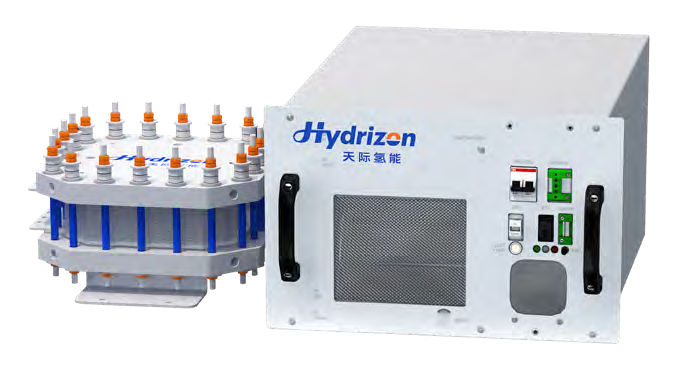
HI-Pro Green Hydrogen High-efficiency Production System-HI-PRO-AEM
Hydrizon Technology (Beijing) Co., Ltd.
Ultrasonic Wind Speed and Direction Instrument
Kingmach Measurement & Monitoring Technology Co., Ltd.
NISELA Series Environmentally Friendly Gas-Insulated Ring Main Unit
XJ DELISHIER ELECTRIC CO., LTD.
High-voltage Direct Current (HVDC) Transmission System Research and Integrated Design
XI'AN XD POWER SYSTEMS CO., LTD.

40.5kV-1100kV Gas Insulated Metal-Enclosed Switchgear (GIS)
Henan Pinggao Electric Co., Ltd.
Prefabricated Houses and Electrical Energy Boxes
Chengdu Ruilong Machinery Manufacturing Co., Ltd.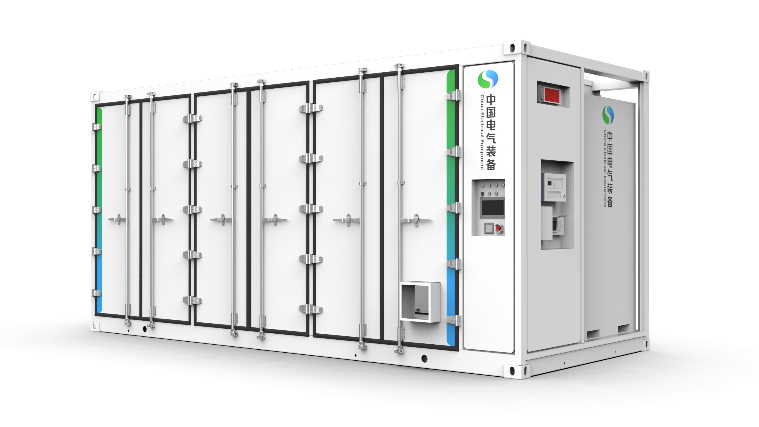
MESS8201-2507/5015-BN Prefabricated Liquid-cooled Energy Storage Battery Container
Xuchang Xuji Electric Science Energy Storage Technology Co., Ltd.
Smart Photovoltaic Prefabricated Substation
Shanghai Jinyou Jinhong Intelligent Electric Co., Ltd.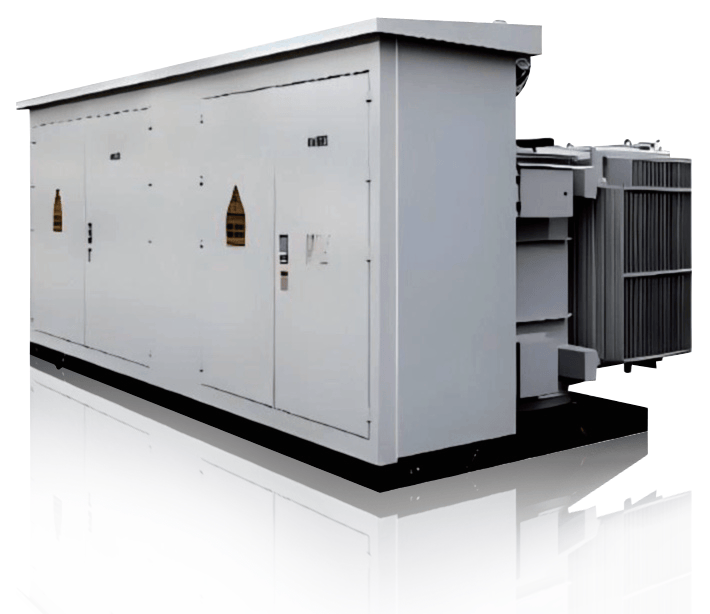
H-40.5/0.4~1.14kV New Energy Power Generation Dedicated High Voltage/Low Voltage Prefabricated Substation
XJ (Xiamen) Intelligent Power Equipment Co., Ltd.